Top Landscaping Services in Shady Hollow, TX, 78739 | Compare & Call
There are 186 landscaping companies server in Shady Hollow TX
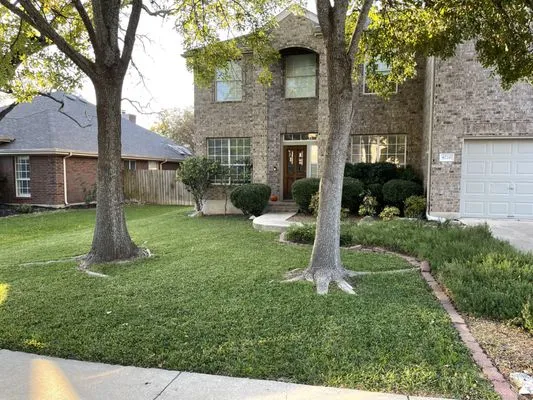
Whittier Lawn Care is a trusted Austin landscaping and construction company dedicated to building beautiful, functional, and resilient outdoor spaces. We specialize in tackling common Central Texas ch...
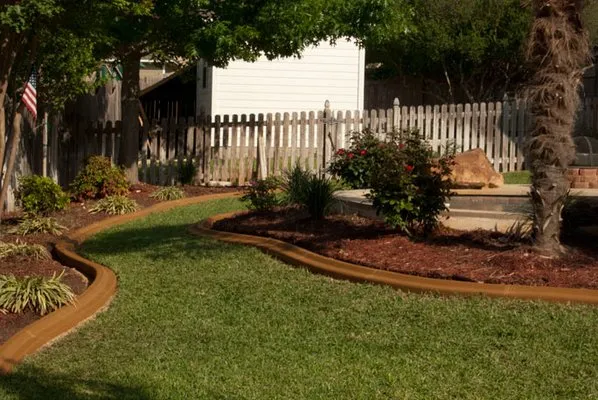
Creative Curbing, LLC is a family-owned landscape curbing business founded in Austin in 2002 by Rodney. Following his father's passing in 2016, the company continues under family leadership, guided by...
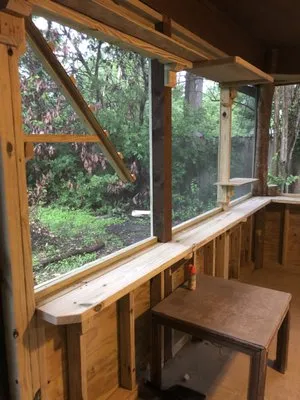
Founded by True, a longtime fixture in Austin's music and live events scene, The Handyband Collective emerged in late 2020 to solve two local needs: providing stable income for musicians and reliable ...
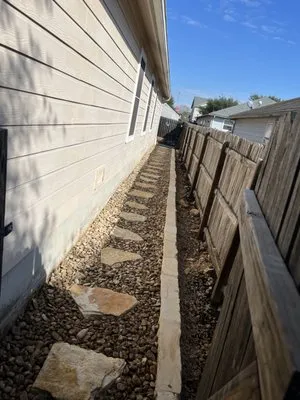
BGE Services is a locally owned and operated business deeply rooted in the Austin community, where our team was born and raised. We specialize in comprehensive landscaping, masonry, concrete, and tree...
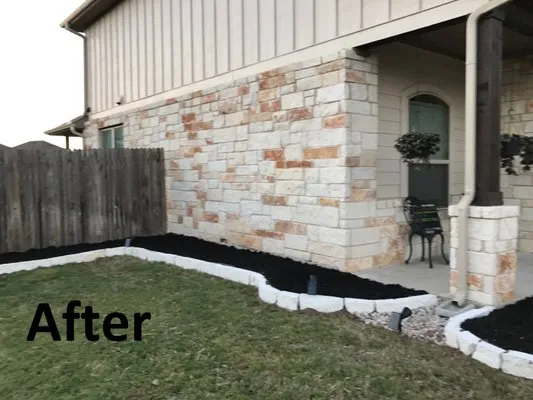
Brown's Landscaping
Brown's Landscaping is a family-owned and operated business proudly serving Buda and the surrounding communities. With over 15 years of hands-on experience, owner Will Brown and his team are dedicated...

Homegrown Services is a locally owned and operated landscaping company in Austin, TX, specializing in irrigation, tree services, and lawn care. Born and raised in Austin, we provide comprehensive full...
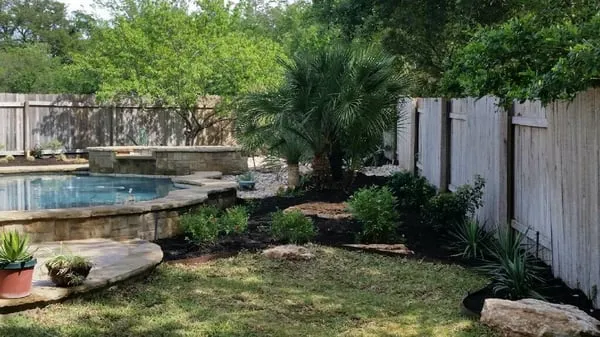
Founded on a commitment to reliable service and quality craftsmanship, Sierra Outdoor Living brings over 50 years of combined experience to Buda. Owner Mr. Sierra has spent more than 15 years in profe...
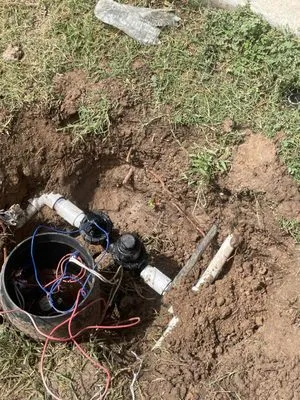
Dennis Trees is a full-service landscaping, plumbing, and irrigation company serving Buda, TX. We help homeowners tackle common local challenges like landscape edging damage and lawn fungus disease wi...
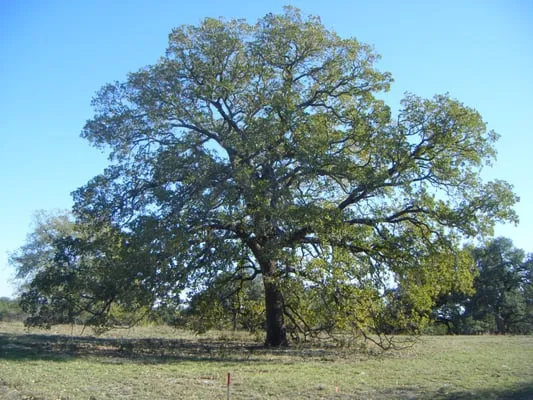
Less Is More Landscaping is a trusted Austin-based landscaping company dedicated to simplifying outdoor maintenance for local homeowners. We specialize in addressing common Central Texas landscaping c...
Complete Lawn Care is a family-owned and operated landscaping business serving the Austin community since 1989. For over three decades, we've built our reputation on a deep understanding of the local ...
Estimated Landscaping Service Costs in Shady Hollow, TX
Common Questions
If a storm causes major limb damage, how quickly can a crew get here for an emergency cleanup?
For HOA compliance or safety-critical debris removal, our dispatch from Slaughter Creek Metropolitan Park via the Mopac Expressway allows a 30-45 minute peak response. We prioritize electric-powered equipment for immediate post-storm work, which complies with the 7:00 AM noise ordinance and allows for faster neighborhood access without disturbing residents during restricted hours.
Are limestone pavers a better long-term choice than wood decking for my patio?
For longevity and fire resilience, permeable Leuders Limestone is superior. Unlike wood, it does not rot, warp, or require chemical sealing, and its high thermal mass minimizes heat cracking. In our Moderate (WUI Zone 2) fire risk area, this non-combustible material also contributes to the required defensible space, enhancing property safety while providing a permanent, low-maintenance surface.
How can I keep my St. Augustine grass alive with only two watering days per week?
Under Stage 2 water restrictions, survival depends on precise irrigation management. A Wi-Fi ET-based controller is mandatory; it automatically adjusts runtime by subtracting rainfall from real-time evapotranspiration data. This technology, combined with deep, infrequent watering cycles that encourage root growth, is the most effective method for preserving turf health within the municipal allotment without manual guesswork.
Why does my yard seem so hard and compacted compared to newer neighborhoods?
Properties in Shady Hollow Village, built around 1987, have a 39-year soil history on the challenging Blackland Prairie clay. This alkaline clay (pH 7.9-8.2) naturally compacts over decades, severely reducing percolation and root penetration. Core aeration and incorporating 2-3 inches of composted organic matter are not just beneficial; they are essential interventions to rebuild soil structure and microbial life for the next growth cycle.
My yard floods and my foundation has cracks. What's the root cause and solution?
The expansive Blackland Prairie clay is the primary drainage hazard, causing high runoff and cyclical swelling that stresses foundations. The engineered solution is a two-part system: first, redirect water via French drains or dry creek beds, and second, replace impervious surfaces with permeable Leuders Limestone pavers. This combination increases ground absorption and meets City of Austin Development Services Department standards for managed onsite runoff.
What permits and licenses are needed to re-grade my backyard for better drainage?
Altering the grade on a 0.35-acre lot typically requires a permit from the City of Austin Development Services Department to ensure compliance with drainage ordinances. Crucially, the design and installation of any associated irrigation or drainage system must be performed by a licensed irrigator credentialed by the Texas Department of Licensing and Regulation. This ensures the work is engineered to state standards and protects you from liability.
What invasive species should I watch for, and how do I handle them safely?
Be alert for Bermuda grass encroachment in planting beds and invasive Ligustrum (privet) seedlings. Treatment requires a targeted, systemic herbicide applied at the correct growth stage, never a blanket phosphorus-based fertilizer which is restricted without a soil test. We adhere to a treatment calendar that respects local blackout dates to protect watershed health while effectively suppressing invaders.
Is there a lower-maintenance, quieter alternative to my weekly-mowed lawn?
Transitioning to a xeriscape anchored by natives like Texas Sage, Flame Acanthus, and Gulf Muhly dramatically reduces water, mowing, and chemical inputs. This climate-adaptive landscape also future-proofs your property against tightening noise ordinances by eliminating the need for gas-powered blowers and mowers, shifting maintenance to quiet, periodic pruning with electric tools.
