Top Landscaping Services in Serenada, TX, 78628 | Compare & Call

There are 194 landscaping companies server in Serenada TX
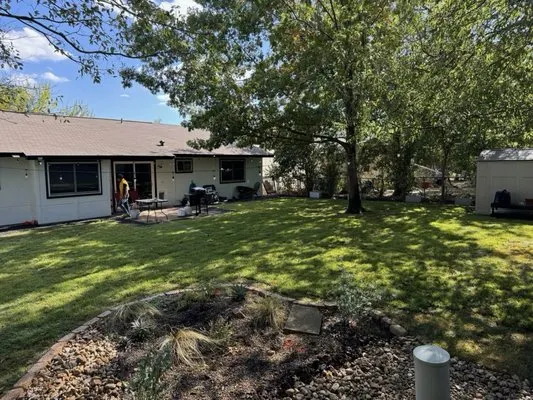
Founded in 2013, Isaias Gonzalez Landscaping is a true family endeavor in Austin. Husband Isaias leads the hands-on work, while his wife Lisbet manages client communication and satisfaction, supported...
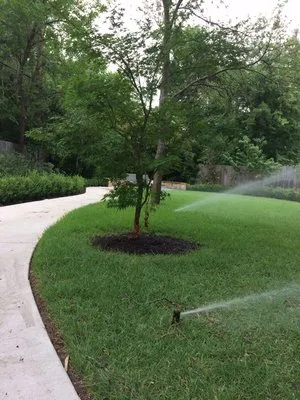
Garden Experts began with a deep-rooted passion for landscapes, cultivated over decades of hands-on work in the Austin area. Founder John Doe started in the industry in 1998, gaining experience with g...
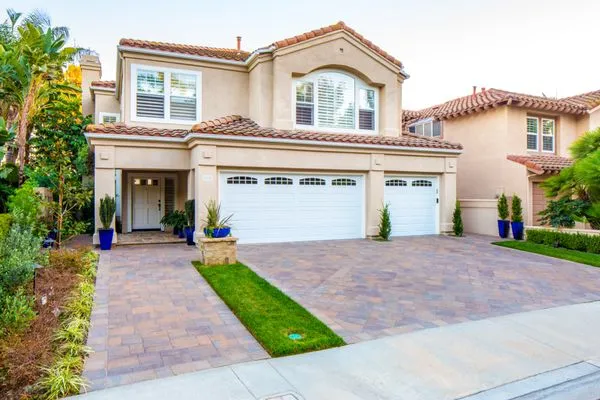
System Pavers
System Pavers is a trusted name in Austin for creating durable and beautiful outdoor living spaces. With over 30 years of national experience, our local team specializes in custom hardscaping solution...
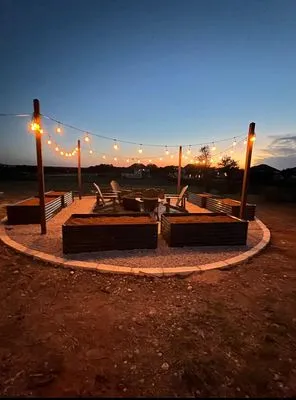
Culture Scapes ATX brings a distinct perspective to Liberty Hill landscaping, forged from owner Greg Kidwell's deep roots in Central Texas. Growing up on local farms and ranches gave Greg an innate un...
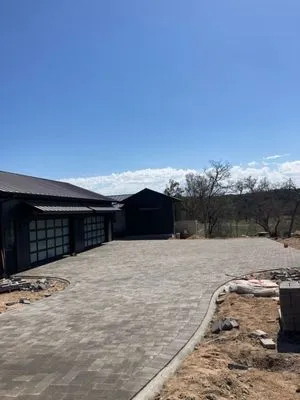
Rubén Landscaping & Construction is a full-service home improvement company serving Austin, TX, specializing in landscaping, painting, and roofing. We help homeowners address common local issues like ...
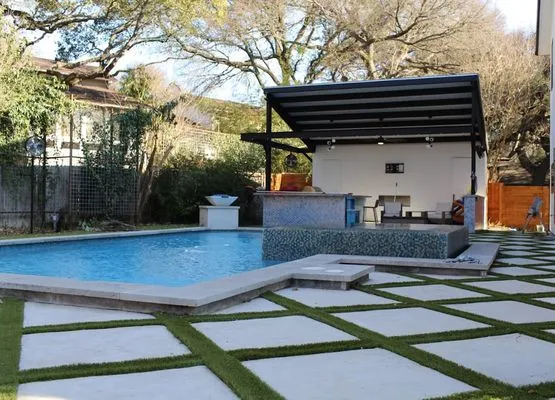
Austin Native Landscaping was founded in 2010 by Reed, who started with just a few shovels, some helping hands, and a reliable truck. Built on a foundation of deep local knowledge and a passion for de...
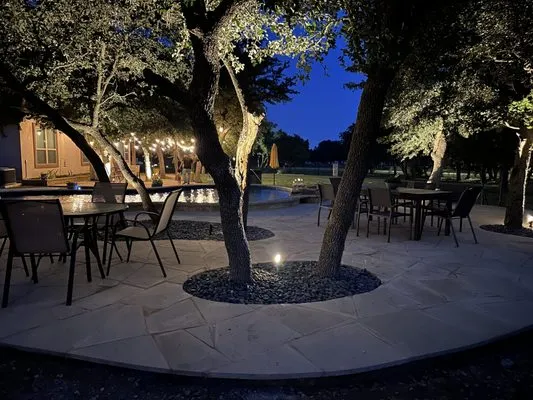
Since 2012, Twin's Landscaping has been the trusted choice for property owners in Travis and Williamson Counties, building lasting relationships through reliable, expert care. We're a full-service com...
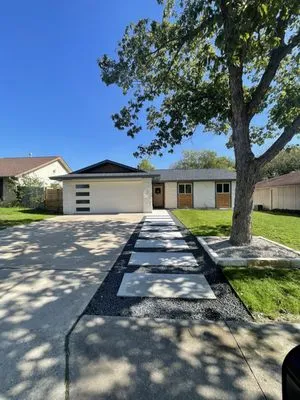
7 Kings Landscaping Services began as a small family operation known as King Landscaping Services, building its reputation one residential yard at a time in Austin. From those humble roots, the busine...
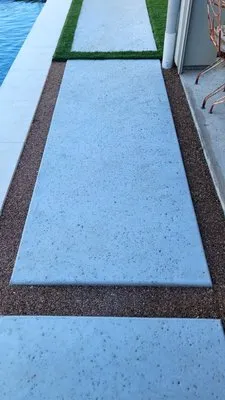
Modern Yard Landscapes is an Austin-based landscaping company specializing in artificial turf installation, maintenance, and holiday decorating services. We help homeowners and businesses create beaut...
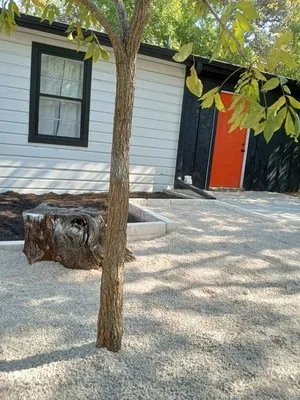
For over 17 years, Marin Construction has been a trusted name for Austin homeowners seeking durable and beautiful hardscapes and landscapes. Our deep specialization in stone work and masonry forms the...
Estimated Landscaping Service Costs in Serenada, TX
Common Questions
How quickly can you respond to an emergency tree cleanup after a storm in Serenada?
Our electric maintenance fleet can dispatch from Serenada Park within 15 minutes, traveling via IH-35 to reach Serenada Estates in 25-35 minutes during peak conditions. This rapid response meets HOA compliance deadlines while adhering to decibel-limited noise ordinances that restrict gas-powered equipment before 8:00 AM. We prioritize safety assessments and debris removal to restore property access and mitigate further landscape damage from fallen limbs.
How can I maintain healthy TifTuf Bermuda grass under Stage 2 water restrictions?
Wi-Fi ET-based weather sensing controllers optimize irrigation by calculating evapotranspiration rates specific to Serenada's microclimate. These systems automatically adjust watering schedules to deliver 0.5-0.75 inches weekly across two permitted days, maximizing soil moisture retention in alkaline clay. Deep, infrequent watering encourages TifTuf Bermuda roots to penetrate 6-8 inches, improving drought tolerance while complying with municipal water limits. Regular calibration ensures uniform coverage without runoff waste.
What permits and licenses are needed for grading my 0.45-acre lot?
Georgetown Planning & Development Department requires erosion control permits for any grading exceeding 50 cubic yards on 0.45-acre properties. Contractors must hold Texas Department of Licensing and Regulation credentials for excavation work, ensuring proper slope stabilization and drainage engineering. Unlicensed grading can trigger violation notices for sediment runoff into municipal systems. Always verify insurance coverage for expansive clay remediation, as soil movement may affect neighboring properties.
Why does my Serenada Estates lawn have such poor drainage and compacted soil?
Serenada Estates homes built around 1983 have 43-year-old soil profiles dominated by alkaline Blackland Clay with pH 8.1. This soil type naturally compacts over decades, reducing permeability and creating hardpan layers that restrict root growth. Core aeration with organic amendments like composted pine bark is essential to improve soil structure and microbial activity. Without these interventions, water infiltration remains inadequate, exacerbating runoff issues common in this neighborhood.
Why choose limestone over wood for patios in wildfire-prone areas?
Leuders limestone pavers provide non-combustible defensible space required for Moderate WUI Zone 2 fire ratings, unlike wood decks that require chemical treatments. This natural stone maintains structural integrity for 25+ years in alkaline soils where wood deteriorates from moisture cycling. Permeable installation methods reduce radiant heat transfer during fire events while creating functional outdoor zones. Proper spacing between hardscape and vegetation further enhances firewise landscaping principles.
What low-maintenance alternatives reduce mowing and gas blower usage?
Replacing high-input turf with Texas sage, flame acanthus, and little bluestem creates resilient native plant communities that thrive in Zone 8b with minimal irrigation. Lindheimer's muhly and purple coneflower provide year-round visual interest while supporting 2026 biodiversity standards. This xeriscape approach eliminates weekly mowing from April through October and reduces leaf debris that triggers gas blower use, aligning with evolving noise ordinances and electric fleet transitions.
What solutions prevent water pooling and foundation issues in Blackland Clay?
Expansive clay heave requires graded swales and French drains to redirect high runoff away from structures. Permeable Leuders limestone pavers installed with 3/8-inch joints filled with angular gravel create infiltration zones that meet Georgetown Planning & Development Department runoff standards. These systems reduce hydrostatic pressure against foundations while allowing 8-12 inches per hour permeability. Proper slope calculations prevent erosion and soil saturation during heavy rainfall events.
How do I control invasive species without violating fertilizer regulations?
Identify invasive grasses like bermudagrass encroachment through regular scouting during early March peak mulching season. Spot-treat with glyphosate alternatives during active growth phases, avoiding phosphorus-containing products prohibited under local ordinance unless soil tests confirm deficiencies. Mechanical removal followed by pre-emergent applications prevents resurgence while maintaining soil microbiome health. Always coordinate treatments outside municipal blackout dates to ensure regulatory compliance.
