Top Landscaping Services in Seagoville, TX, 75159 | Compare & Call

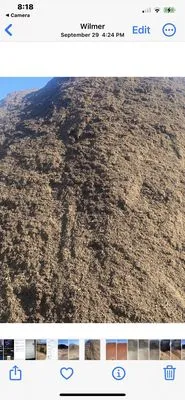
Metro Sand in Seagoville, TX, is a local landscaping business dedicated to helping homeowners and property managers maintain healthy, functional outdoor spaces. We specialize in addressing common loca...
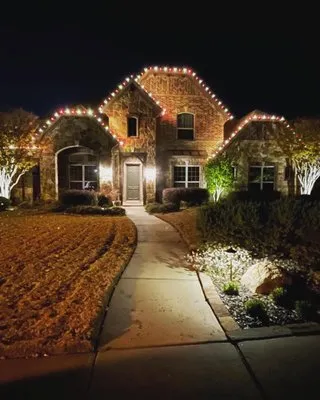
God’s Green Earth Landscaping is a Christian family-owned business serving Seagoville, TX, and surrounding Dallas, Kaufman, and Tarrant counties. We specialize in comprehensive lawn and tree care for ...
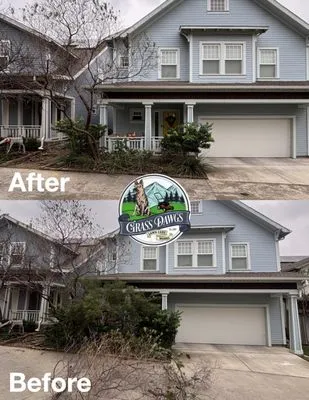
Grass Dawgz is your local Seagoville expert for keeping your property clean, green, and healthy. We tackle the common local issues of lawn fungus and water waste from sprinkler leaks by combining thor...
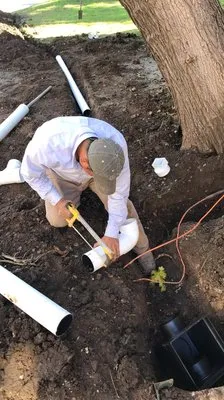
G T Landscaping is a trusted, local Seagoville business dedicated to solving the common landscaping challenges homeowners face right here in our community. We specialize in addressing the frequent iss...
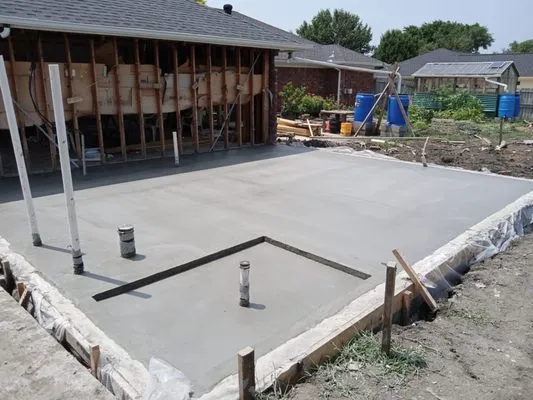
TerraCrest Construction is a trusted masonry and landscaping contractor serving Seagoville, TX, specializing in durable concrete and stone solutions for residential properties. We help local homeowner...

Town & Country Tree and Lawn Services
Town & Country Tree and Lawn Services is your trusted local partner for comprehensive outdoor care in Seagoville, TX. We are a fully insured company dedicated to enhancing the safety, health, and beau...
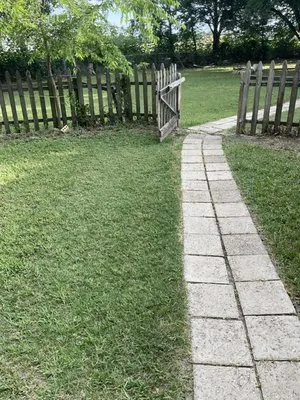
Based in Seagoville, TX, Small Lawn Guy is a family-run lawn care service focused on providing reliable, personal attention to small and medium-sized lawns in our community. Operating near the local W...
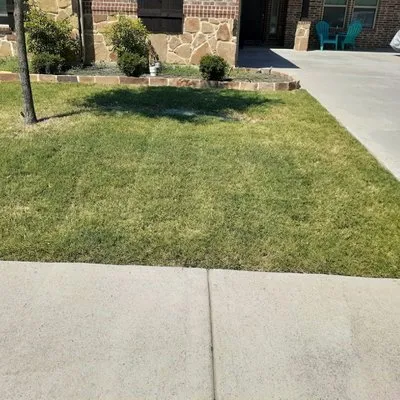
Three Pillars Landscaping LLC, founded in 2023 by owner Andrew, provides professional lawn care services throughout the Dallas-Fort Worth area, with a focus on Seagoville. Specializing in routine main...
Welcome to Landess Landscape & Nursery, a family-owned and operated business rooted in Seagoville, Texas since 1960. Founded by a retired firefighter and his son, a 34-year active firefighter with ove...
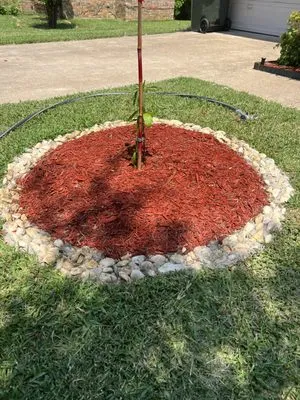
Santiago's Landscaping is a trusted local landscaping company serving Seagoville, TX, with comprehensive outdoor solutions. We specialize in irrigation construction and repair, landscape installation ...
Question Answers
What invasive species should we watch for, and how do we control them safely?
Common invasive alerts in Zone 8b include Bermuda grass encroachment into beds, Nutsedge, and Chinese Privet. Treatment requires targeted, mechanical removal or careful herbicide application during active growth phases. All control methods must comply with Texas Commission on Environmental Quality (TCEQ) guidelines to protect water quality, avoiding application before forecasted rain to prevent non-point source pollution.
If a storm causes significant tree damage, what's the typical emergency response time?
For an emergency cleanup to meet HOA compliance or safety standards, dispatch from our staging area near Seagoville City Hall allows for a 20-30 minute peak response. The primary route utilizes US-175 for efficient access to most neighborhoods. Crews are equipped for immediate debris management and hazard mitigation, prioritizing clear access for residents and emergency services.
Our lawn struggles even with watering and fertilizing. Could the soil itself be the problem?
Properties in the Seagoville City Center, built around 1999, have Houston Black Clay soil that has been compacted for nearly 30 years. This mature soil has a high shrink-swell potential and poor permeability, creating a dense, oxygen-deprived environment for roots. Core aeration and the incorporation of 3-4 inches of composted organic matter are essential to improve soil structure and microbial activity. Without these amendments, water and nutrients cannot effectively reach the root zone.
How can we keep our lawn healthy during summer while following water conservation rules?
Under Stage 1 voluntary conservation, efficient water use is critical. Wi-Fi ET-based weather sensing controllers adjust irrigation schedules daily based on local evapotranspiration data, preventing overwatering. For TifTuf Bermuda or Zoysia, this technology applies water only when needed, promoting deeper root growth and drought tolerance. This method optimizes turf health while adhering to municipal water limits and preparing for potential stricter phases.
Our yard floods and stays soggy after rains. What's a lasting solution for this clay soil?
Persistent sogginess is a direct result of the poor permeability inherent to Houston Black Clay. A functional drainage plan combines subsurface solutions like French drains with surface grading. Using permeable hardscape materials, such as crushed limestone or permeable concrete for patios and paths, increases ground infiltration. These systems manage runoff effectively and often help properties meet the Seagoville Planning & Development Department's stormwater standards.
Do we need a permit to regrade our yard or install a drainage system?
Yes, significant grading or drainage work on a 0.22-acre lot typically requires a permit from the Seagoville Planning & Development Department to ensure proper stormwater management and adherence to elevation plans. Furthermore, contractors performing this work must hold appropriate licensing from the Texas Department of Licensing and Regulation (TDLR). This ensures the technical competency required to navigate the high shrink-swell potential of the local soil without causing negative impacts to adjacent properties.
We want to reduce constant mowing and noisy gas equipment. What are our options?
Transitioning high-maintenance turf areas to a climate-adapted xeriscape with native plants significantly reduces resource inputs. Species like Texas Sage, Flame Acanthus, and Little Bluestem are adapted to local heat and drought, requiring minimal water once established. This shift reduces mowing frequency and aligns with evolving municipal noise ordinances that may restrict gas-powered blowers and mowers during certain hours.
Is crushed limestone a better choice than wood for a new patio or path?
Crushed limestone offers superior longevity and permeability compared to wood, which deteriorates and requires replacement. In Seagoville's climate and moderate Wildland-Urban Interface fire rating, inorganic materials like limestone or permeable concrete also contribute to defensible space by not providing combustible fuel. These materials provide a stable, low-maintenance surface that mitigates heat island effect and complements the local soil conditions.
