Top Landscaping Services in Seabrook, TX, 77565 | Compare & Call


Bay Area Design & Landscape brings over three decades of professional expertise to the homes of Seabrook and the surrounding Bay Area. Founded on a blend of formal education—including Landscape Archit...
Lawns & Sprinklers USA
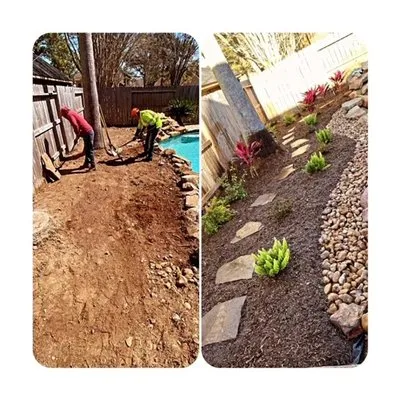
Lawns & Sprinklers USA is a family-owned and operated irrigation and lawn care business serving Seabrook, TX, and the greater Houston-Bay Area since 1998. With over 25 years of experience, we speciali...
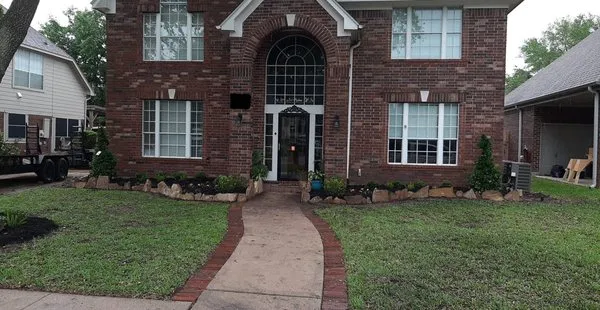
Slice N Dice Lawn Care is a locally owned and operated lawn service in Seabrook, TX, founded on over five years of hands-on experience in small landscaping projects and lawn maintenance. We take immen...
Lymuel Landscape and Handyman Services
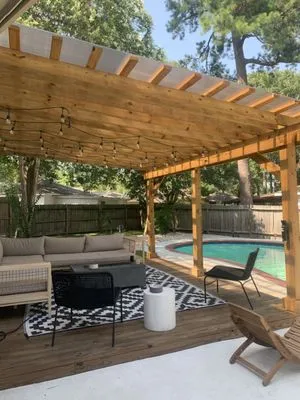
Lymuel Landscape and Handyman Services is a Seabrook-based company providing comprehensive landscaping and handyman solutions for local homeowners. We specialize in addressing common landscaping chall...

Bay Area Landscape Management is a Seabrook-based landscaping company dedicated to solving common local yard issues like standing water and bare lawn patches. We specialize in comprehensive drainage s...
Picture This Landscape is a trusted landscaping company serving Seabrook, TX, and the surrounding communities. We specialize in creating and maintaining beautiful outdoor spaces tailored to the unique...
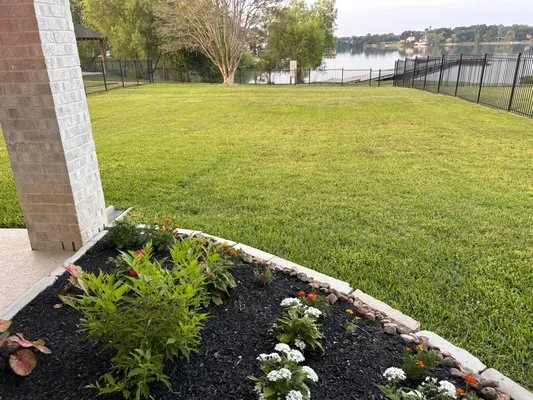
Wide Open Spaces Quality Mowing is a dedicated lawn care provider serving Seabrook, TX. We understand the local challenges homeowners face, such as persistent lawn fungus and unruly, overgrown shrubs ...
C&G is a trusted landscaping and tree services company serving Seabrook, TX, and the surrounding communities. We specialize in comprehensive landscape maintenance and expert tree care, helping homeown...
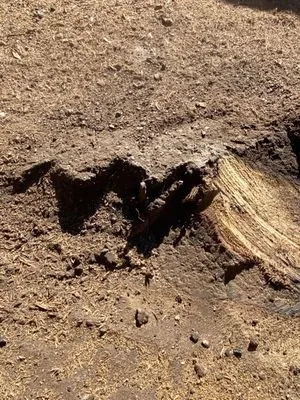
B&G Stump Grinding is your local Seabrook expert for comprehensive tree and landscape care. Beyond expert stump removal, our team provides essential services like landscape maintenance and professiona...
Solutions Self Chem in Seabrook, TX, is your local source for professional-grade pest control, pool, and lawn care products. We cater to both homeowners and professional companies, offering the same e...
Questions and Answers
How do I treat invasive species without violating fertilizer regulations?
Chinese tallow and Japanese climbing fern require targeted treatment during their active growth phases (April-May and September-October). Spot applications of glyphosate at 2% solution avoid phosphorus-containing products prohibited under local ordinance. For soil restoration after removal, mycorrhizal inoculants and slow-release nitrogen fertilizers (without phosphorus) rebuild microbial communities. Always conduct soil testing through Texas A&M AgriLife Extension before any amendment application, particularly important in clay soils where nutrient mobility is limited.
Is crushed granite or wood better for pathways in my fire-prone area?
Crushed granite pathways provide superior fire resistance for Moderate Coastal WUI zones, with ignition temperatures above 1,200°F compared to wood's 400-500°F range. The 3/8-inch minus granite compacts to 95% Proctor density while maintaining permeability of 8-12 inches/hour. For defensible space requirements, maintain 5-foot clearance between hardscape and structures using non-combustible materials. Permeable concrete edges contain the granite while allowing stormwater infiltration, creating a system that meets both fire safety and drainage objectives for Seabrook's climate.
How do I keep my St. Augustine lawn green during Stage 1 water restrictions?
Smart Wi-Fi ET-based irrigation systems calculate evapotranspiration rates specific to Seabrook's microclimate, applying 0.75-1.0 inches weekly during peak season. These systems automatically adjust for rainfall, reducing water use 30-40% compared to traditional timers. For St. Augustine cultivars like Raleigh or Palmetto, deep watering cycles of 20-25 minutes per zone encourage root development below the clay pan. The system maintains turf health while staying within voluntary conservation guidelines through precise moisture monitoring at 6-inch soil depth.
What permits and licenses are needed for regrading my 0.22-acre lot?
Grading projects exceeding 50 cubic yards of earth movement require a Seabrook Building Department permit with engineered drainage plans. Contractors must hold Texas Department of Licensing and Regulation (TDLR) irrigation license #3 for any associated drainage work. The 0.22-acre lot size triggers review for compliance with municipal stormwater regulations when modifying more than 25% of pervious surface. Professional engineering stamps are required for slopes exceeding 3:1 ratio or when working within 10 feet of property lines, ensuring proper water diversion away from adjacent structures.
How quickly can you respond to an emergency tree cleanup after a storm in Seabrook?
Emergency storm response from our Meador Park dispatch reaches Old Seabrook within 20-30 minutes during peak conditions via TX-146. Our electric fleet bypasses the 7:00 AM noise ordinance restriction, allowing immediate deployment. We prioritize HOA compliance issues with same-day assessment, documenting conditions with geotagged photos for insurance claims. The route optimization accounts for typical post-storm traffic patterns along NASA Road 1 and Red Bluff Road corridors.
Should I replace part of my lawn with native plants to reduce maintenance?
Transitioning 30-40% of turf to Gulf Muhly, Turk's Cap, American Beautyberry, and Coral Honeysuckle reduces mowing frequency from weekly to seasonal. These natives require 70% less water than St. Augustine and support 3-5 times more pollinator species. Electric maintenance equipment operates within the 7:00 AM-9:00 PM noise ordinance while eliminating gas emissions. The conversion creates defensible space for the Moderate Coastal WUI rating, with fire-resistant natives spaced according to Texas A&M Forest Service guidelines for wildfire protection.
What's the best solution for standing water in my clay-heavy yard?
Lake Charles Clay's slow infiltration rate (0.1-0.3 inches/hour) requires engineered drainage solutions. Permeable concrete installations with 20-30% void space allow 5-10 inches/hour infiltration, meeting Seabrook Building Department runoff standards. French drains wrapped in non-woven geotextile fabric prevent clay particle clogging. For existing hardscapes, crushed granite overlays at 2-3 inch depth provide temporary permeability improvements while planning full permeable replacement. These systems must handle the 2-year, 24-hour storm event of 4.5 inches rainfall.
Why does my Old Seabrook yard have such dense clay soil that won't drain properly?
Properties in Old Seabrook built around 1992 have 34-year-old soil profiles dominated by Lake Charles Clay. This alkaline soil (pH 6.5-7.5) has compacted over decades, reducing permeability to less than 0.5 inches per hour. Core aeration with 3-4 inch depth penetration and incorporation of 2-3 cubic yards of compost per 1,000 square feet annually addresses this compaction. Organic amendments increase soil organic matter above 3%, improving water infiltration while maintaining the native pH range suitable for St. Augustine turf.
