Top Landscaping Services in San Saba, TX, 76877 | Compare & Call

There are 12 landscaping companies server in San Saba TX
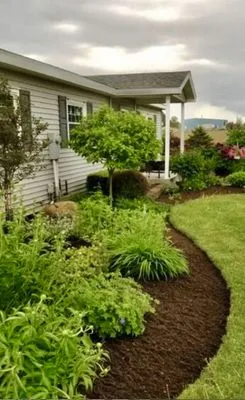
Only Lawns is a locally owned and operated lawn care company serving Austin and Central Texas. Founded by Randy Kirby, we provide reliable, experienced, and affordable lawn maintenance with 24/7 avail...
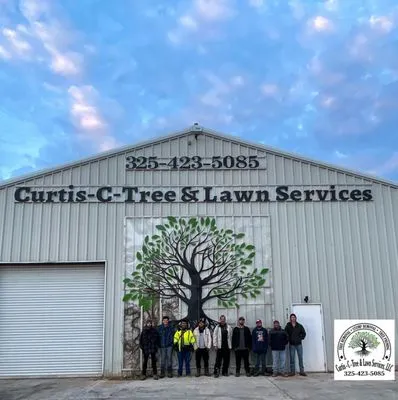
Curtis-C Tree & Lawn Services is a family-owned and operated business proudly serving Kingsland, Llano, and the entire Texas Hill Country and Highland Lakes region. Founded by Curtis Cunningham, a pro...
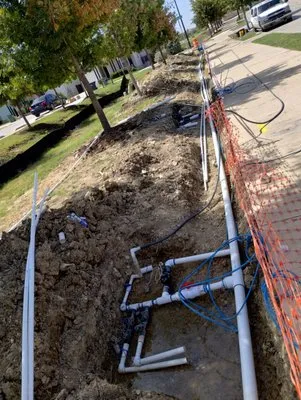
M.F Landscape Pro is your trusted, full-service landscape partner in Liberty Hill, TX. We specialize in creating and maintaining beautiful, healthy outdoor spaces for homes and businesses across our c...

Trinity Landscape & Design brings over three decades of combined expertise in handyman work and landscaping to Kyle, TX. Owner-operated since 1991, the business is built on a foundation of practical, ...
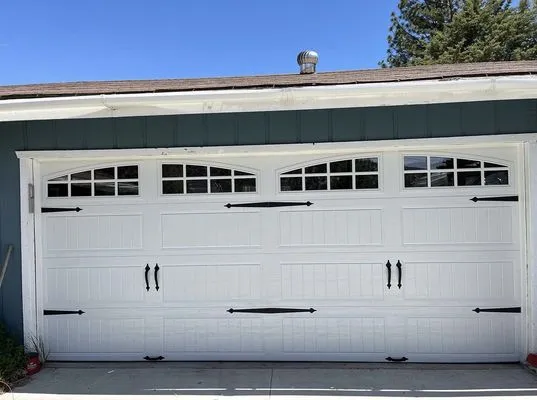
Olivares Service & Repair is a family-owned business in Jarrell, TX, established in 2020 to provide reliable and quality service to the local community. We specialize in garage door services, comprehe...

San Antonio Lawn Pros is a trusted local lawn service company in San Antonio, TX, specializing in comprehensive lawn care and pressure washing solutions. We understand the common landscaping challenge...
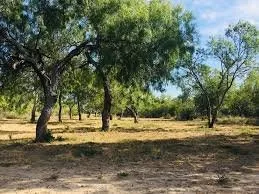
Mathis Land Management
Mathis Land Management is a trusted, full-service land management company serving Bertram, TX, and the surrounding Hill Country. We specialize in comprehensive solutions for residential and commercial...
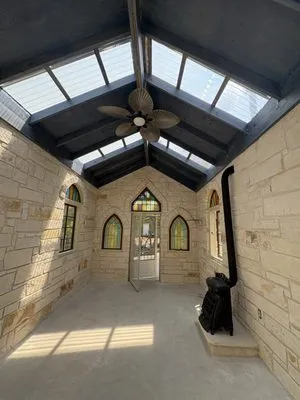
TH Masonry & Hardscapes is a trusted local contractor in Austin, TX, specializing in both masonry and landscaping solutions. We bring outdoor visions to life through driveway and walkway construction,...
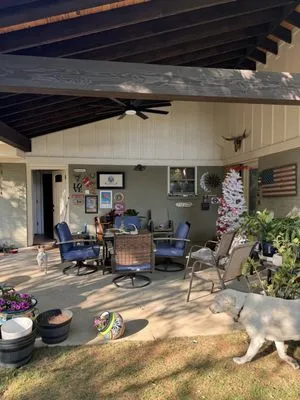
Big Country Design and Construction
Big Country Design and Construction is a trusted Kerrville-based landscaping and tree services company serving the Texas Hill Country. We specialize in custom deck design, landscape design, and landsc...
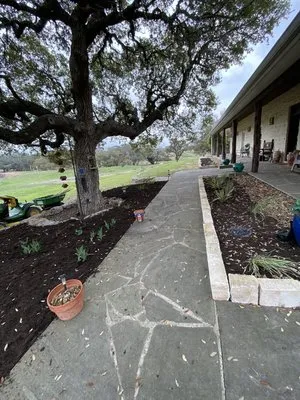
Literally Everything Lawn Care is a dedicated lawn service provider in Austin, TX, specializing in comprehensive solutions for local homeowners. We understand the unique challenges Austin yards face, ...
Estimated Landscaping Service Costs in San Saba, TX
Frequently Asked Questions
Do we need a permit to regrade our backyard, and what kind of contractor should we hire?
Yes, significant grading on a 0.25-acre lot typically requires a permit from the San Saba City Hall Planning Department to ensure proper drainage and erosion control. You must hire a contractor licensed by the Texas Department of Licensing and Regulation for landscape irrigation or excavation. This licensing guarantees they understand state codes and local BMPs, protecting you from liability and ensuring the work is performed to standard.
Is San Saba Sandstone a better choice than wood for a new patio, considering fire safety?
For durability and fire resilience, sandstone is superior. Permeable San Saba Sandstone is non-combustible, requires no chemical treatments, and lasts decades with minimal upkeep. In our Moderate Fire Wise rating zone, using non-flammable materials within the first 5-30 feet of your home is critical for creating defensible space. Stone patios and pathways meet this requirement effectively, unlike wood decks or mulch.
We need an emergency cleanup after a storm to meet an HOA deadline. How quickly can a crew get here?
For urgent compliance, we dispatch crews from our staging area near the San Saba County Courthouse. Traveling via US Highway 190 allows us to reach most Historic Downtown addresses within a 20-30 minute window, even during peak storm response times. Our electric equipment fleet operates quietly within the 7:00 AM to 9:00 PM noise ordinance, enabling immediate, compliant work upon arrival to resolve safety or violation concerns.
We see invasive Johnson grass. How do we treat it without harming our soil or breaking local rules?
Johnson grass requires a targeted, systemic herbicide applied at the correct growth stage. Importantly, any treatment plan must adhere to local Best Management Practices, which prohibit phosphorus-containing fertilizers unless a soil test confirms a deficiency. We would conduct a soil test first, then use a precise spot-treatment method. This ensures effective control without violating ordinances or disrupting soil microbiology.
We want to reduce mowing and gas equipment noise. What are our options?
Transitioning to a climate-adaptive landscape is the forward-looking solution. Replace high-input turf areas with curated native plantings like Texas Mountain Laurel, Turk's Cap, Flame Acanthus, and Little Bluestem. These plants require minimal water, no weekly mowing, and support local biodiversity. This shift preempts tighter regulations on gas-powered blowers and mowers, creating a quieter, resilient landscape that conserves resources.
Our soil is so hard and pale. Is this normal for a property in Historic Downtown, and what can we do about it?
Yes, this is typical. Calcareous clay soil with a pH of 7.9-8.2 is common in this area. Your lot, like others around houses built in the 1960s, has had over 60 years of compaction from construction and foot traffic, drastically reducing permeability. The primary remedy is core aeration followed by amending with high-quality compost to introduce organic matter and improve soil structure. This process directly addresses the low infiltration rate that leads to high runoff.
Water pools in our yard after every rain. What's a lasting solution for this clay soil?
Pooling results from the low infiltration rate of calcareous clay. A functional solution integrates subsurface drainage, like a French drain, with surface strategies. Using permeable San Saba Sandstone for patios or walkways increases ground absorption. This combined approach manages runoff effectively and often helps properties meet the City Hall Planning Department's standards for on-site water management, preventing erosion and foundation issues.
How do we keep our TifTuf Bermuda healthy during Stage 2 water restrictions?
Effective irrigation under voluntary restrictions requires precision. Wi-Fi ET-based weather-sensing controllers are essential; they adjust watering schedules daily based on local evapotranspiration data, applying water only when the turf needs it. This technology, combined with proper mowing height and soil aeration, maintains turf health while conserving water. It ensures you stay well within municipal guidelines without stressing the grass.
