Top Landscaping Services in San Marcos, TX, 78656 | Compare & Call

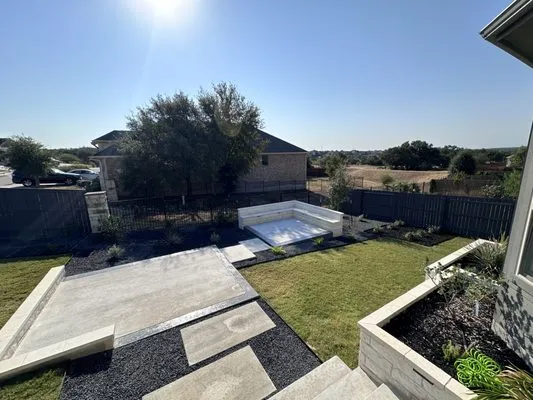
CLC Landscaping is a full-service lawn and landscaping company that has been proudly serving San Marcos and Central Texas since 2009. What began as a high school lawn care project has grown into a ded...
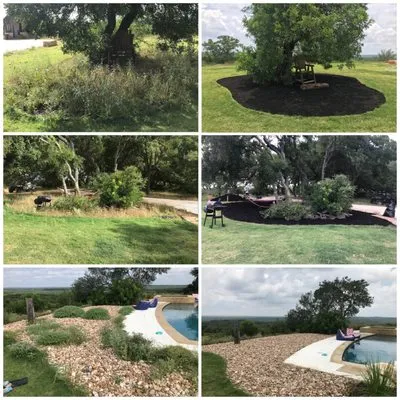
Patriot Fencing, Lawn & Landscape
Patriot Fencing, Lawn & Landscape is a veteran-owned company serving San Marcos, TX, with comprehensive fencing, lawn, and landscaping solutions for both residential and commercial properties. We spec...

San Marcos Landscaping is a local, full-service outdoor property company serving the San Marcos community. Our experienced team includes landscape experts, lawn specialists, certified tree arborists, ...
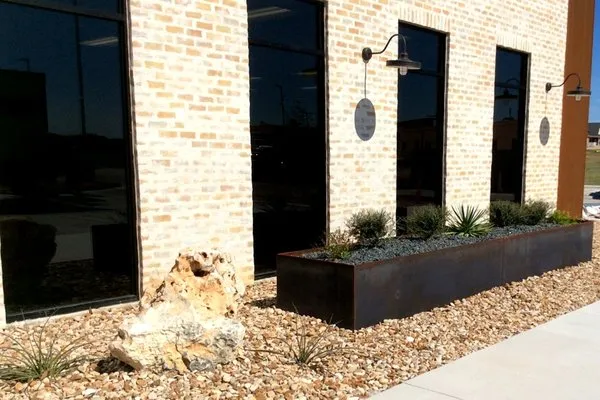
Diamondback Landscaping
Diamondback Landscaping has been a trusted fixture in San Marcos, TX since 1986. Founded by Richard Braun, this family-operated business has grown its expertise alongside the community it serves. They...
Rain-gler Landscaping and Property Improvements is a family-owned and operated San Marcos business founded by siblings Eddie and Vicki. Eddie's professional background in energy and agriculture, manag...
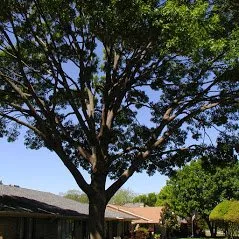
Eagle Tree & Lawn Care is a professional, family-owned company serving San Marcos, TX, and surrounding communities like Luling, Buda, Kyle, Lockhart, Canyon Lake, Wimberley, and Dripping Springs. With...
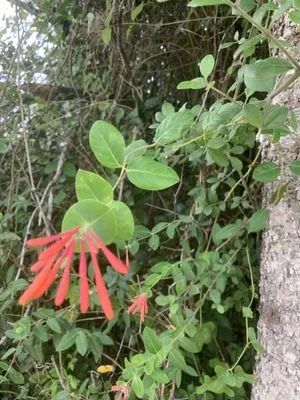
RR Ranch Solutions is a San Marcos-based irrigation and landscaping company dedicated to transforming outdoor spaces while addressing common local landscaping challenges. Serving the San Marcos commun...
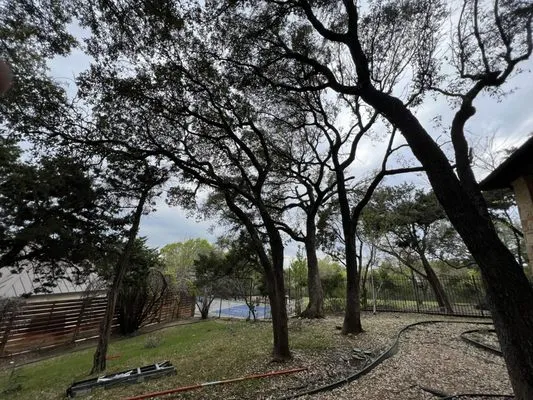
Total Lawn Care is a full-service landscaping company serving San Marcos, TX, specializing in comprehensive outdoor solutions. We address common local issues like soil compaction and bare lawn patches...
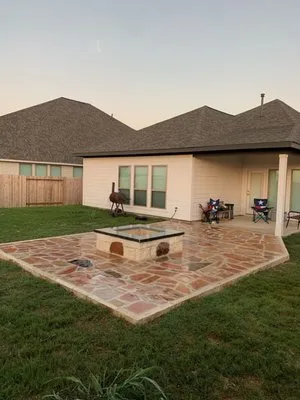
Hernandez Landscaping is a trusted, locally-owned landscaping company serving San Marcos, TX, and the surrounding Hill Country. We specialize in diagnosing and resolving common local yard challenges, ...

MJ's Elite Mowing is a trusted lawn care provider serving San Marcos, TX, dedicated to creating and maintaining healthy, vibrant lawns. We understand that local homeowners often struggle with bare and...
Questions and Answers
Is permeable limestone better than wood for patio materials in fire-prone areas?
Permeable Leander limestone offers superior longevity and fire resistance compared to wood decking, with minimal maintenance requirements over decades. Its non-combustible nature supports Moderate Fire Wise WUI Zone 2 compliance by creating defensible space around structures. The material's natural thermal mass moderates temperature extremes while its permeability manages stormwater runoff. Unlike wood, limestone doesn't require chemical treatments that can leach into karst aquifers, making it both durable and environmentally appropriate for San Marcos conditions.
How can I maintain healthy turf while following San Marcos Stage 2 water restrictions?
Wi-Fi ET-based weather sensing controllers optimize irrigation by calculating actual evapotranspiration rates for your specific microclimate. These smart systems adjust watering schedules daily based on temperature, humidity, wind, and solar radiation data. For TifTuf Bermuda or Zoysia Zeon turf, this technology delivers precise moisture during the two permitted watering days while preventing runoff. Properly calibrated ET-based irrigation can reduce water use by 20-30% while maintaining turf health within municipal limits.
How quickly can you respond to an emergency tree cleanup after a storm in San Marcos?
Our electric maintenance fleet can typically reach Historic District properties within 20-30 minutes during peak storm response periods. We dispatch from our operations center near San Marcos Plaza Park, taking I-35 to minimize travel time while complying with residential noise ordinances. This rapid response capability helps prevent further property damage and addresses immediate safety concerns while meeting HOA compliance deadlines for debris removal.
What low-maintenance alternatives exist for traditional turf that reduce noise and water use?
Transitioning to native plant communities featuring Texas Mountain Laurel, Turk's Cap, Flame Acanthus, Little Bluestem, and Lindheimer's Muhly significantly reduces maintenance requirements. These adapted species require minimal watering once established and eliminate weekly mowing needs during April-October. The shift to electric maintenance equipment addresses residential noise ordinance compliance while creating habitat supporting 2026 biodiversity standards. Native landscapes typically use 50-70% less water than traditional turf systems.
What's the best solution for drainage problems in San Marcos with our karst topography?
Karst topography creates significant sinkhole risks and high runoff issues in calcareous clay soils. Permeable Leander limestone hardscaping allows water infiltration at rates exceeding 10 inches per hour, reducing surface runoff that can trigger subsidence. This approach meets San Marcos Planning and Development Services runoff standards while directing water away from foundation areas. Strategic placement of permeable surfaces combined with French drains addresses both immediate drainage concerns and long-term karst stability.
Why does my San Marcos Historic District yard have such hard, compacted soil that won't absorb water?
With average home construction around 1997, your soil has approximately 29 years of development maturity. Calcareous clay soil in this area naturally compacts over time, especially with typical construction practices that disrupt soil structure. The alkaline pH of 7.8-8.2 further reduces nutrient availability and water infiltration. Core aeration combined with organic amendments like composted leaf mold can improve soil structure and microbial activity, addressing the compaction issues common in Historic District properties.
How do I control invasive species without violating San Marcos fertilizer regulations?
Common invasive alerts include Johnson grass and Chinese tallow, which thrive in calcareous clay conditions. Mechanical removal during early growth stages prevents seed set without chemical intervention. For persistent infestations, targeted spot treatments using phosphorus-free herbicides align with local fertilizer ordinances. Timing applications outside blackout periods and avoiding broadcast methods protects soil microbiology. Integrating competitive native species creates ecological resistance to future invasions while maintaining soil health.
What permits and licenses are required for grading work on my 0.22-acre San Marcos property?
Grading projects exceeding 50 cubic yards of earth movement require permits from San Marcos Planning and Development Services, with specific requirements for erosion control in karst topography. Contractors must hold appropriate licensing through the Texas Department of Licensing and Regulation, including landscape irrigation and excavation endorsements. On 0.22-acre lots, even minor grading can impact drainage patterns and require engineered solutions. Professional licensing ensures compliance with state stormwater regulations and protects against liability for subsurface disturbances in sensitive karst environments.
