Top Landscaping Services in Salado, TX, 76571 | Compare & Call
There are 177 landscaping companies server in Salado TX
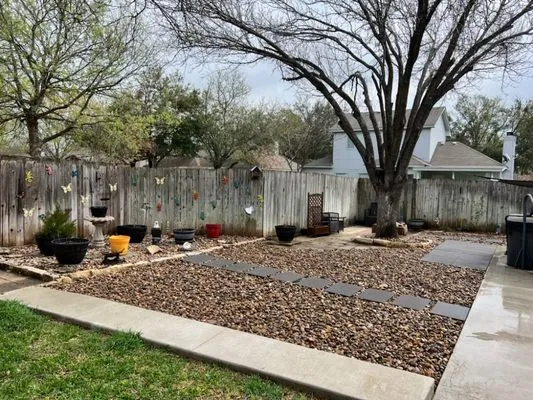
Five Star Landscaping is a trusted, locally owned landscaping and fencing company serving Belton, TX. The business was acquired in 2022, bringing together a fresh commitment to customer service with o...

Dave's Lawncare is a trusted, locally-owned lawn service provider in Belton, TX, dedicated to keeping your yard healthy and vibrant. We specialize in comprehensive lawn care, from regular mowing to ta...
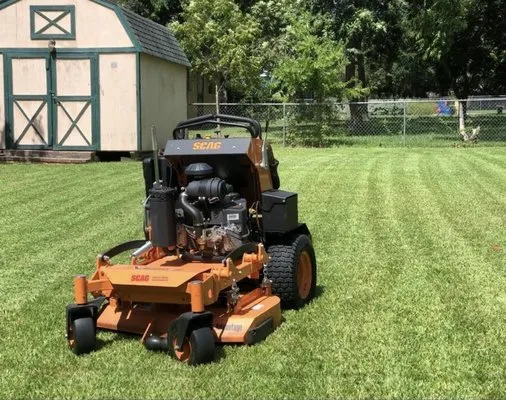
First Response Lawn Care is a trusted lawn and tree service provider serving Temple, TX, and surrounding areas. We specialize in comprehensive lawn care solutions designed to address common local land...
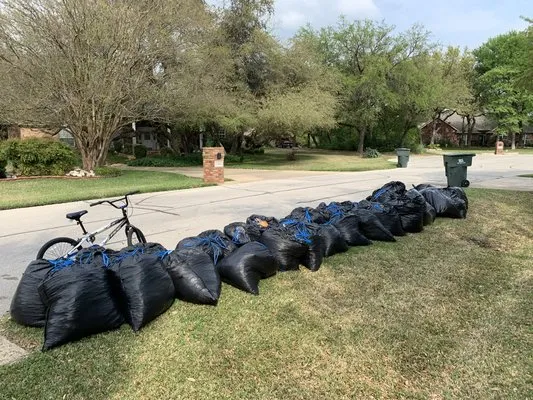
The Yard Man is a trusted, full-service landscaping company serving homeowners throughout Temple, TX. We specialize in resolving common local challenges like poor lawn grading that leads to drainage i...
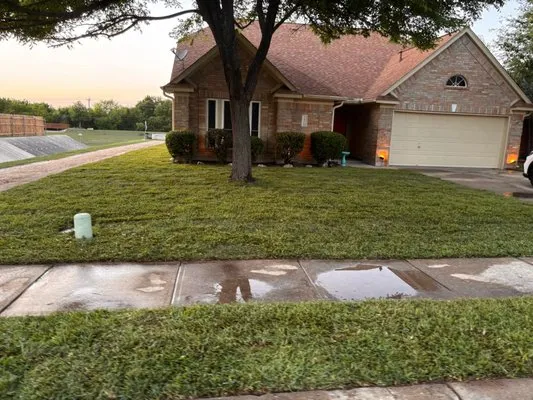
Reyes Landscaping is a family-owned landscaping company serving Salado, TX, with over 10 years of experience transforming outdoor spaces. We specialize in irrigation repair, landscape construction, ma...
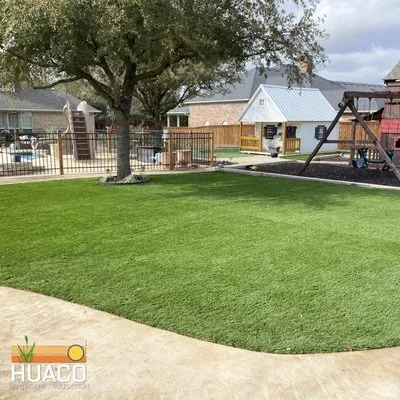
Huaco is a family-owned and operated landscaping company deeply rooted in the Waco community. For over three decades, founder Jose Luis Gonzalez and his family have been dedicated to enhancing the nat...
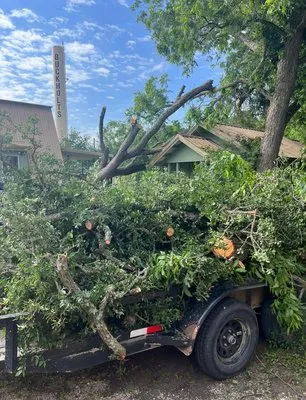
Lorenz Tree Service in Bartlett, TX, is a locally owned and operated business dedicated to professional tree and lawn care. Founded with a passion for the outdoors and a commitment to filling the need...
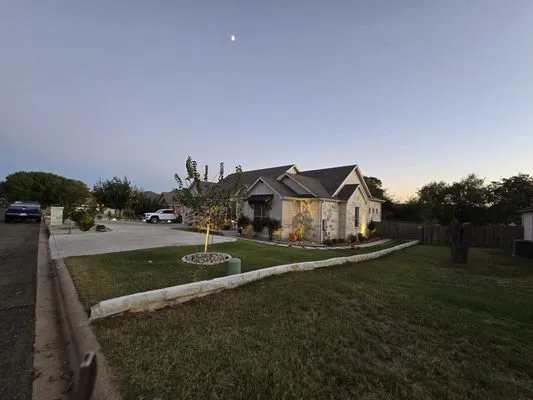
Moreno Lawn Service LLC is a Georgetown-based lawn care provider focused on delivering clean, professional results for outdoor projects. We prioritize helping our clients with their landscaping needs ...
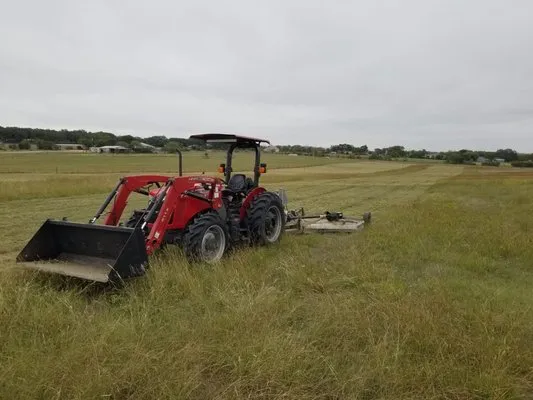
Rusty Tractor Land Maintenance is your trusted local partner for keeping your Lexington, TX property looking its best year-round. We specialize in comprehensive landscape maintenance and reliable lawn...

Cowboy Tree Service ATX is a full-service landscaping and tree care company serving Austin, TX. We specialize in comprehensive solutions for Central Texas properties, including tree planting, pruning,...
Estimated Landscaping Service Costs in Salado, TX
Q&A
Why does my Salado Historic District yard have such dense clay soil that won't drain properly?
Your property's soil has been developing for 34 years since the typical 1992 construction date, allowing Blackland Prairie Clay to consolidate with minimal organic input. This clay soil naturally has high shrink-swell potential and alkaline pH between 7.5-8.2, which reduces permeability over time. Core aeration with compost amendments improves soil structure by increasing pore space for water movement and root penetration. Regular organic matter incorporation helps counteract the natural compaction that occurs in established neighborhoods with this soil type.
How do I maintain healthy turf during Stage 1 water restrictions without wasting water?
Wi-Fi ET-based weather sensing controllers optimize irrigation by calculating actual evapotranspiration rates for your specific location. These systems automatically adjust watering schedules based on real-time weather data, reducing water use by 20-30% compared to traditional timers. For TifTuf Bermuda or St. Augustine grass in Zone 8b, this technology delivers precise moisture when needed while staying within voluntary conservation guidelines. Properly programmed ET controllers can maintain turf health with less frequent, deeper watering cycles that encourage drought-resistant root development.
Is native limestone better than wood for hardscaping in fire-prone areas?
Austin White Limestone provides superior fire resistance compared to combustible wood materials, particularly important for properties in Moderate WUI Zone 2 fire risk areas. This native stone maintains structural integrity under high temperatures and creates defensible space when used for patios, pathways, and retaining walls. Limestone's thermal mass helps moderate microclimate temperatures while requiring minimal maintenance over decades. For fire-wise compliance, stone hardscapes should be installed with proper clearances from structures and integrated with fire-resistant plantings.
What landscape changes reduce maintenance while supporting local ecology?
Replacing high-maintenance turf areas with native plantings like Texas Mountain Laurel, Turk's Cap, and Little Bluestem creates resilient, low-input landscapes. These adapted species require less water, no chemical inputs, and provide habitat for pollinators and wildlife. Transitioning to electric maintenance equipment aligns with evolving noise ordinance considerations while reducing emissions. A phased approach to xeriscaping with Mexican Feathergrass and Flame Acanthus can transform 0.35-acre properties into biodiverse spaces that exceed 2026 conservation standards.
How do I control invasive species without violating fertilizer application rules?
Invasive species management requires timing interventions outside State-regulated BMP blackout periods that prohibit nitrogen application during rainfall. Mechanical removal combined with targeted organic herbicides applied during dry conditions prevents chemical runoff into watersheds. For persistent invasives in Blackland Prairie Clay, soil solarization during peak summer heat can eliminate weed seed banks without chemicals. Integrating competitive native groundcovers like Frogfruit or Horseherb creates ecological resistance to reinfestation while maintaining soil health.
What solutions work best for drainage problems in Salado's expansive clay soil?
Expansive Blackland Prairie Clay requires engineered drainage solutions to manage high shrink-swell potential. Permeable installations using native Austin White Limestone allow water infiltration while meeting Village of Salado Planning & Zoning runoff standards. French drains with proper gravel bedding and geotextile fabric prevent clay intrusion into drainage systems. Grading adjustments that direct water away from foundations, combined with rain gardens planted with moisture-tolerant natives, address both surface and subsurface water movement in this challenging soil type.
How quickly can you respond to emergency storm damage cleanup for HOA compliance?
Our electric maintenance fleet can dispatch from the Salado Sculpture Garden area within 20-30 minutes during peak response times. We route via I-35 to access the Salado Historic District efficiently while complying with noise ordinance restrictions between 8:00 PM and 7:00 AM. Emergency protocols prioritize safety assessments before debris removal, particularly for properties in WUI Zone 2 fire risk areas. This response window accounts for traffic variables while ensuring timely mitigation of hazards.
What permits and licenses are required for grading work on my 0.35-acre lot?
Grading projects exceeding 100 cubic yards of earth movement require permits from the Village of Salado Planning & Zoning office, with additional requirements for properties in historic districts. Contractors must hold appropriate licensing through the Texas Department of Licensing and Regulation, including landscape irrigation licensing for any drainage system modifications. On 0.35-acre lots, engineered plans may be necessary when modifying slopes more than 10% or when working within 50 feet of waterways. Professional licensing ensures compliance with sedimentation control regulations and proper management of expansive clay soils.
