Top Landscaping Services in Rusk, TX, 75785 | Compare & Call
There are 119 landscaping companies server in Rusk TX

A3 Grass & Stone is a Tyler-based landscaping company specializing in comprehensive outdoor solutions for East Texas properties. Led by managing partner Lauren, who prioritizes exceptional customer se...
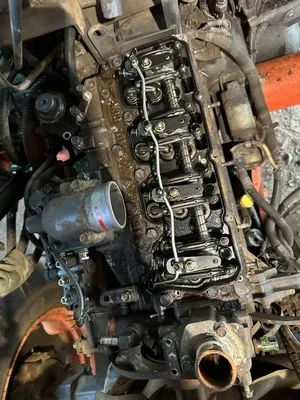
Dominguez Services in Longview, TX, is a trusted local provider offering comprehensive automotive care and essential landscaping services to the East Texas community. We understand the demands of dail...

Tadlock Lawn & Landscape is a trusted local lawn care provider serving homeowners in Troup, TX, and the surrounding area. We specialize in diagnosing and treating common local issues like dead lawn pa...
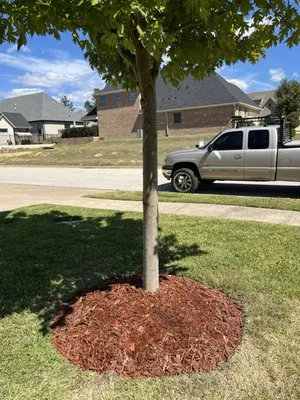
Falcon Landscape is a full-service landscaping company serving Tyler, TX, and the surrounding East Texas communities. We specialize in solving common local landscaping challenges like dead lawn patche...
The Texas Rain Man
The Texas Rain Man has been a trusted irrigation and landscaping provider in Tyler, TX, and the surrounding East Texas area for nearly 25 years. Operating from the same location with an A+ BBB rating ...
His Handz Construction and Landscaping
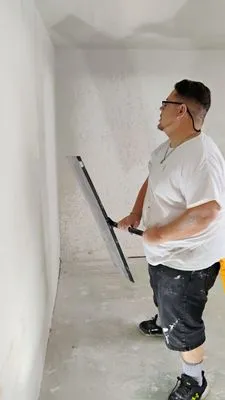
His Handz Construction and Landscaping is a Tyler-based contractor and landscaper dedicated to building quality into every project. The approach is personal: treating each job as if it were for their ...
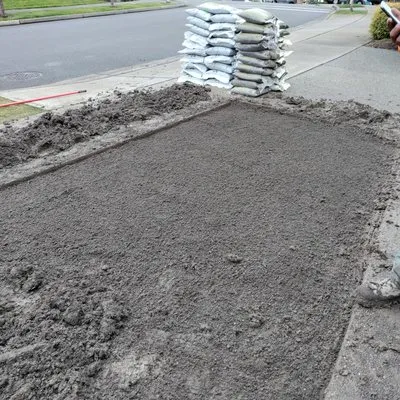
Kountry Kuts Landscaping brings authentic East Texas care to lawns and gardens in Mount Pleasant. Managed by Carlos, who draws on extensive marketing and sales experience, this business is built on th...
Cruz Rodriguez Tree Service has been a trusted name in Longview for over 45 years, providing comprehensive property care for both residential and commercial clients. As a fully bonded and insured team...

Bentley's Lawn Care and Maintenance is a trusted local lawn service provider in Jacksonville, TX, specializing in comprehensive lawn care solutions tailored to the area's specific challenges. We under...

Stump-And-Grind is a Tyler-based tree service and landscaping company specializing in professional stump grinding for both residential and commercial clients. Founded and operated by Jason, who person...
Estimated Landscaping Service Costs in Rusk, TX
Common Questions
After heavy rain, our yard stays soggy for days. What's causing this, and what's a permanent solution?
Moderate runoff and saturation are common in Rusk due to the acidic sandy loam over a restrictive clay subsoil, which impedes percolation. A permanent solution involves installing a French drain system to intercept subsurface water and regrading to direct surface flow away from foundations. Using permeable crushed sandstone for any new patios or walkways can also increase ground absorption, helping your property meet the City of Rusk Planning & Development Department's runoff management standards.
We've spotted what looks like invasive Bermudagrass in our flower beds. How should we treat it?
Invasive Bermudagrass is a persistent issue in East Texas. The safest control method is a targeted, non-selective herbicide applied directly to the foliage during its active growth phase, typically late spring. It is critical to follow Texas Best Management Practices and avoid any application before forecasted rain to prevent runoff. For severe infestations, solarization with clear plastic during summer heat can provide a chemical-free alternative. Always identify the species conclusively before treatment.
We want to regrade our 0.35-acre lot. What permits and contractor qualifications are required?
Regrading a 0.35-acre lot in Rusk typically requires a permit from the City of Rusk Planning & Development Department to ensure compliance with drainage and erosion control ordinances. More critically, the contractor must hold appropriate licensing from the Texas Department of Licensing and Regulation, which validates their competency in earthwork and site engineering. This is not standard landscaping work; improper grading can cause significant off-site water damage, making professional licensing and insured work a non-negotiable requirement.
Our yard in the Historic District seems compacted and thin. What's the underlying soil issue, and how do we fix it long-term?
Homes built around 1980 in Rusk, like many in the Historic District, often have acidic sandy loam soils that are now 46 years old. This time has allowed clay subsoil to become exposed and compacted, reducing permeability and root depth. The solution requires core aeration to relieve compaction, followed by incorporating 2-3 inches of composted organic matter to rebuild soil structure and buffer the pH. This mimics natural soil development, creating a resilient foundation for turf or native plantings.
We're replacing a wooden deck. Is crushed sandstone or concrete a better choice for durability and fire safety?
For durability and fire safety in Rusk's Moderate Fire Wise rating zone, crushed sandstone or concrete pavers are superior to wood. Both materials are non-combustible, contributing to the required defensible space around your home. Concrete pavers offer maximum longevity with minimal upkeep, while crushed sandstone provides excellent permeability, reducing runoff. Either choice, when installed with a proper geotextile barrier, will outlast wood significantly without the risks of rot, termites, or flammability.
Our HOA issued a notice for overgrowth. How quickly can you perform an emergency cleanup, and what's your route?
We can dispatch a crew for HOA compliance within the same business day from our staging area near the Texas State Railroad Depot. The route proceeds directly north on US Highway 69, ensuring a reliable 20-30 minute arrival to most Historic District properties, even during peak traffic. Our electric maintenance fleet allows us to begin work immediately upon arrival without violating the standard noise ordinance, efficiently resolving the violation.
We're tired of weekly mowing and gas blowers. What's a lower-maintenance, quieter landscape alternative?
Transitioning to a climate-adaptive xeriscape with regional natives like American Beautyberry, Yaupon Holly, and Little Bluestem dramatically reduces maintenance. These plants require no weekly mowing, minimal watering once established, and their fallen leaves provide natural mulch, eliminating the need for gas-powered blowers. This approach not only reduces noise but also creates a habitat that supports local biodiversity, future-proofing your property against potential tighter noise or emissions ordinances.
With Stage 1 water conservation in effect, how do we keep our St. Augustine grass alive without wasting water?
Stage 1 voluntary conservation in Rusk is best managed with Wi-Fi ET-based weather sensing irrigation. This technology schedules watering based on real-time evapotranspiration data, applying water only when the turf needs it and never during peak heat or rain. For St. Augustine grass in Zone 8b, this typically means 2-3 deep waterings per week, which maintains root health while reducing overall consumption by 20-30%, keeping you well within municipal guidelines.
