Top Landscaping Services in Reno, TX, 75462 | Compare & Call
There are 187 landscaping companies server in Reno TX
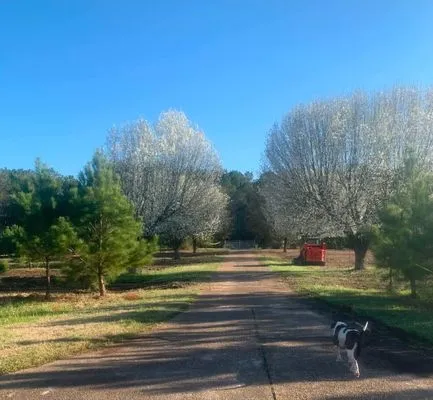
SK Farms Land Management is a Springtown-based land management company serving Parker County and surrounding areas. We specialize in comprehensive lawn care, tree services, and excavation to keep your...

JB Property Maintenance is a family-owned and operated business in Azle, TX, founded with a deep commitment to both family and community. We started this venture to have the flexibility to be present ...
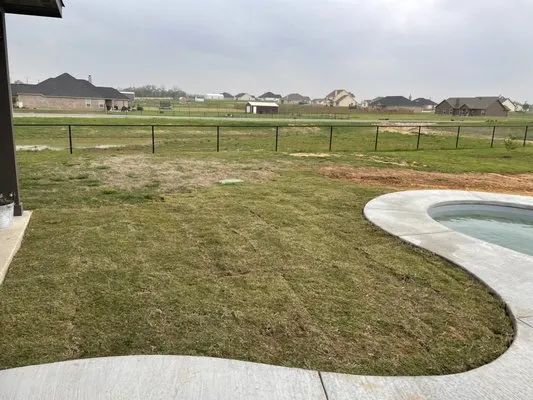
HTG Irrigation and Sod is your trusted local landscaping partner in Springtown, TX. We specialize in comprehensive solutions that address common local challenges like landscape edging damage and lawn ...
Lawn & Oder is a trusted landscaping company serving Springtown, TX, specializing in comprehensive outdoor care. We offer landscape construction, maintenance, lawn care, and expert shrub and tree serv...
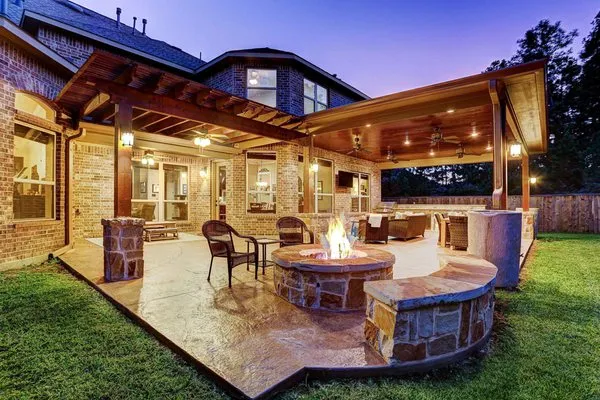
Delight Landscape is a trusted, locally-owned landscaping and outdoor construction company serving Azle, TX, and the surrounding area. We specialize in creating functional and beautiful outdoor spaces...
True Care Landscape & Irrigation is your trusted local partner in Springtown, TX, for creating and maintaining beautiful, resilient outdoor spaces. We specialize in both landscaping and irrigation, of...

AJ & SJ LawnCare is a trusted, family-owned lawn service provider serving Springtown, TX, and the surrounding areas. We specialize in comprehensive lawn care solutions designed to address common local...
Estimated Landscaping Service Costs in Reno, TX
Question Answers
How can I maintain healthy TifTuf Bermuda grass during Reno's Stage 1 water restrictions?
Wi-Fi ET-based weather sensing irrigation systems optimize water use by calculating evapotranspiration rates specific to Reno's microclimate. These systems automatically adjust schedules based on real-time weather data, reducing water application by 20-30% while maintaining turf health. Programming deep, infrequent watering cycles encourages deeper root growth in clay loam soils, improving drought tolerance. This technology ensures compliance with voluntary conservation measures while preserving turf quality through Reno's hot growing season.
What permits and licenses are needed for regrading my 0.35-acre property?
Grading work exceeding 100 cubic yards on 0.35-acre lots requires Reno City Planning & Development permits for erosion control and drainage compliance. Contractors must hold Texas Department of Licensing and Regulation landscape irrigation licenses when modifying existing systems during grading operations. Professional engineering stamps may be necessary for slopes exceeding 3:1 ratios or when working within 10 feet of property lines. These regulations ensure proper water management on clay soils and prevent downstream impacts from altered topography.
What's the best solution for drainage problems in my expansive clay soil yard?
Expansive clay soils in Reno have high shrink-swell potential that requires engineered drainage solutions. Permeable concrete or crushed limestone hardscapes allow water infiltration while meeting Reno City Planning & Development runoff standards. French drains with proper slope calculations redirect subsurface water away from foundations, preventing structural damage. These systems must account for the soil's low permeability rate of 0.06-0.2 inches per hour to effectively manage stormwater without creating pooling or erosion issues.
Why does my Reno Residential District yard have such hard, compacted soil that struggles to absorb water?
Properties in Reno's older neighborhoods, with homes averaging 49 years since 1977 construction, have mature Alfisols clay loam soil that has undergone decades of compaction from foot traffic and equipment. This soil type naturally develops poor permeability over time, creating a dense layer that restricts root growth and water infiltration. Core aeration with organic amendments like composted pine bark is essential to break up compaction and improve soil structure. The alkaline pH range of 7.2-7.8 in these soils also limits nutrient availability, requiring specific soil testing before amendment applications.
How quickly can you respond to an emergency tree cleanup after a storm in Reno?
Emergency storm response typically requires 20-30 minutes during peak conditions from our central dispatch near Reno City Hall. Crews travel via TX-199 to access the Reno Residential District efficiently, with electric equipment minimizing noise ordinance compliance concerns during extended operational hours. This routing allows for rapid assessment of fallen limbs or hazardous trees while coordinating with local utilities for safety. We prioritize HOA compliance issues within the same response window to address immediate property standards violations.
Is crushed limestone or wood better for patio surfaces in fire-prone areas?
Crushed limestone provides superior fire resistance compared to wood, meeting Moderate WUI Zone 2 defensible space requirements with its non-combustible properties. This material maintains stability in Reno's expansive clay soils without warping or decomposition issues common with wood in alkaline conditions. Permeable concrete offers similar fire-wise benefits while allowing better water infiltration in drainage-challenged areas. Both mineral-based options outlast organic materials, requiring less maintenance over decades in Reno's climate extremes.
What invasive species should I watch for in my Reno landscape?
Chinese privet and Bermuda grass escapees pose significant threats in Reno's clay loam soils, outcompeting native vegetation. Treatment requires careful timing outside State BMP guideline blackout dates for herbicide applications, typically avoiding spring runoff periods. Mechanical removal followed by soil solarization effectively controls invasions without phosphorus runoff risks. Regular monitoring for new infestations prevents establishment, particularly along property edges where invasive species often enter landscapes from adjacent areas.
Should I replace some lawn areas with native plants to reduce maintenance?
Transitioning high-maintenance turf to Texas Sage, Purple Coneflower, and Little Bluestem reduces water needs by 60-80% while supporting local pollinators. Native plantings require minimal mowing and eliminate gas-powered blower use, aligning with evolving noise ordinance considerations for electric equipment transitions. Flame Acanthus and Turk's Cap provide year-round interest with deep root systems that stabilize Reno's clay soils. This approach creates habitat corridors while reducing maintenance frequency and resource inputs over time.
