Top Landscaping Services in Preston, TX, 75076 | Compare & Call
There are 125 landscaping companies server in Preston TX
Blessed Yard Care is a locally owned and operated service in Denison, TX, specializing in lawn care, junk removal, and gardening. We help homeowners and businesses maintain beautiful, clutter-free out...
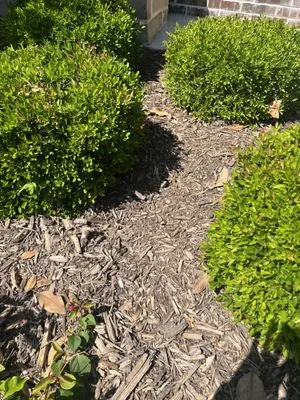
Nature Spray is a family-owned lawn care and pest control company serving Leonard, TX, and the surrounding North Texas area. Founded in 2024 by Matt and Ashley Lewis, we are built on integrity, reliab...
AK's Lawn Service is a trusted Denison, TX lawn care provider specializing in solving common local landscaping challenges like patchy grass and poor lawn grading. We offer comprehensive lawn care serv...

Brody's Lawn Care is a trusted Denison, TX lawn service provider specializing in comprehensive lawn care solutions for local homeowners. We understand the specific challenges Denison residents face, i...
Green Precision Landscape Management is a trusted, locally-owned provider of expert landscaping and tree care services for Denison, TX homeowners. We specialize in resolving common local yard challeng...
Texoma Equipment Services is a trusted lawn care provider serving Pottsboro, TX, and the surrounding Texoma region. We specialize in comprehensive lawn maintenance, helping local homeowners tackle com...
D & J Lawns is a trusted lawn care provider serving Denison, TX, specializing in comprehensive lawn maintenance and health solutions. We understand the specific challenges Denison homeowners face, par...
Triple Rrr Lawn Sprinklers is a Denison, TX-based landscaping company dedicated to helping local homeowners maintain healthy, beautiful lawns despite common local challenges. Many Denison properties f...
DK Professional Services is your trusted local partner in Denison, TX, offering a comprehensive suite of outdoor solutions. We specialize in expert shrub care, from planting and precise trimming to di...

Green Acrez Lawn Care is a Denison, TX-based provider of comprehensive lawn, gutter, and tree services, dedicated to enhancing local landscapes. We specialize in gutter cleaning, lawn care, and a full...
Estimated Landscaping Service Costs in Preston, TX
FAQs
What permits and licenses are needed for grading our 0.55-acre lot?
Grading projects exceeding 500 square feet or altering drainage patterns require a permit from City of Dallas Development Services, with engineered plans showing existing and proposed contours. Texas Department of Licensing and Regulation requires contractors performing earthwork to hold specific landscaping irrigation licenses, as improper grading can affect municipal water systems. On 0.55-acre lots, soil erosion control measures must be implemented during work. Failure to obtain proper documentation can result in stop-work orders and fines up to $2,000 per violation.
We need emergency storm cleanup to meet HOA compliance deadlines. How quickly can you respond?
Our electric maintenance fleet can dispatch from NorthPark Center via US-75 (Central Expressway) to reach Preston Hollow within 25-35 minutes during peak hours. This routing avoids typical congestion points while adhering to the 7:00 AM - 9:00 PM noise ordinance with quiet electric equipment. We prioritize debris removal and safety assessments to restore property access and prevent HOA violations. Documentation for insurance claims is provided within 24 hours of service completion.
Should we use permeable pavers or wood for our new patio?
Permeable Austin Chalk pavers offer superior longevity (40+ years versus wood's 15-20 years) while addressing drainage concerns in Houston Black Clay. Their natural thermal mass moderates surface temperatures, and they require no chemical treatments. For fire-wise considerations in Moderate Urban Interface zones, pavers create defensible space without combustible materials. Wood decks require regular sealing and may violate defensible space requirements within 30 feet of structures. Pavers also maintain permeability rates that meet municipal stormwater management standards.
Our Preston Hollow home was built in 1985. Why does our lawn struggle despite regular care?
Properties built around 1985 have 41 years of soil development, but Houston Black Clay in this neighborhood typically develops severe compaction and alkaline conditions (pH 7.9-8.3) over time. This clay's shrink-swell behavior reduces permeability, limiting root access to water and nutrients. Core aeration every 2-3 years and incorporating 2-3 inches of composted organic matter can improve soil structure and microbial activity. Without these interventions, even established TifTuf Bermuda will show stress during peak growing seasons.
How do we maintain healthy turf while following Stage 1 water restrictions?
Wi-Fi ET-based weather sensing controllers automatically adjust irrigation schedules using real-time evapotranspiration data from local weather stations. These systems apply water only when needed, typically achieving 30-40% reduction compared to traditional timers while keeping TifTuf Bermuda within optimal moisture parameters. Programming follows the twice-weekly municipal schedule but distributes water more efficiently through multiple short cycles to prevent runoff on clay soils. This approach maintains turf health while staying well below permitted water volumes.
Our yard floods after heavy rains. What solutions work with Houston Black Clay?
Houston Black Clay's high shrink-swell potential creates surface compaction that reduces percolation rates to nearly zero when saturated. Installing permeable Austin Chalk pavers in walkways and patios allows 0.5-1.0 inches per hour of water infiltration, meeting City of Dallas Development Services runoff standards. French drains with clean gravel and geotextile fabric provide subsurface drainage paths. Grading should maintain a minimum 2% slope away from structures, with swales directing water to designated collection areas rather than neighboring properties.
We've spotted invasive species. How do we treat them safely?
Common invasive alerts for Preston include Chinese Tallow and Japanese Climbing Fern, which outcompete natives and alter soil chemistry. Mechanical removal followed by targeted herbicide application during active growth periods is most effective. All treatments must comply with the phosphorus prohibition ordinance, requiring soil testing before any fertilizer application. Schedule applications outside blackout dates to avoid runoff into watersheds. Monitor treated areas for 6-8 weeks and replant with appropriate natives to prevent reinfestation.
What alternatives reduce maintenance while supporting local ecology?
Replacing high-maintenance turf areas with Texas Sage, Flame Acanthus, Purple Coneflower, Little Bluestem, and Gulf Muhly creates a climate-adaptive xeriscape that requires minimal irrigation once established. These natives support pollinators and provide year-round visual interest while reducing mowing frequency and fuel consumption. Transitioning to electric maintenance equipment aligns with evolving noise ordinances restricting gas-powered blowers. This approach creates a resilient landscape that anticipates 2026 biodiversity standards and reduces long-term resource inputs.
