Top Landscaping Services in Port Arthur, TX, 77611 | Compare & Call
There are 180 landscaping companies server in Port Arthur TX

JNB Services is a family-owned, local company in Beaumont, TX, dedicated to providing comprehensive cleaning and lawn care solutions for both homes and businesses. We offer a wide range of services, i...

Coastal Landscape Services is a trusted lawn care provider in Orange, TX, specializing in solutions for common local landscaping challenges. We help homeowners and businesses maintain healthy, lush la...
Bayou Boys Service is a trusted, locally-owned provider in Beaumont, TX, specializing in comprehensive outdoor solutions to keep your property healthy and beautiful. We offer expert tree care, profess...
Prestige Landscaping is a dedicated Beaumont landscaping company focused on solving the unique challenges of our local climate and soil. We specialize in helping homeowners recover from frequent storm...
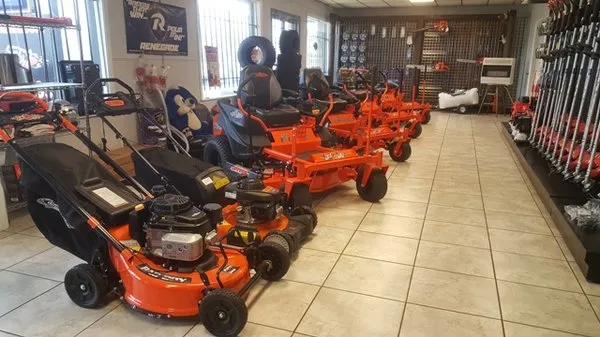
Louis' Yazoo Sales & Service has been a trusted name in Beaumont's lawn care community since 1959, when Louis Lichenstein first opened the doors. Today, under the stewardship of his son David, this fa...
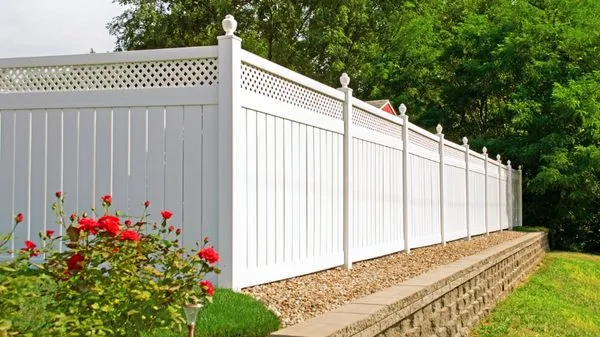
PePaw's Handyman Services and Remodeling is a Liberty-owned and operated company built on decades of hands-on experience. Founder PePaw, a lifelong fencer who learned the trade from his father, starte...
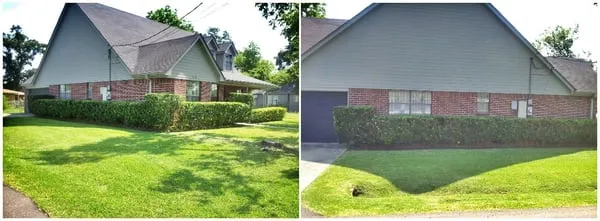
Pollard's Pro Lawncare is a trusted local landscaping company serving Beaumont, TX, dedicated to helping homeowners maintain healthy, beautiful outdoor spaces. We specialize in addressing common local...
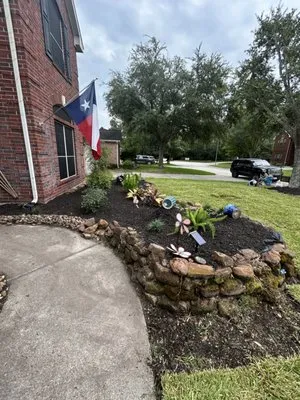
JR's Lawn Care & Landscaping is a locally owned and operated business in Liberty, TX, founded by Maribel in 2023. Drawing on years of hands-on construction experience, Maribel built this company on th...
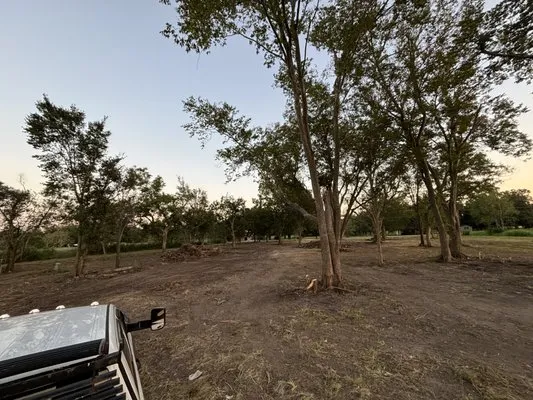
C2 Land Works is a Winnie-based company specializing in essential land management services, from site preparation to final cleanup. We focus on practical solutions for local property owners, addressin...
Raph's Landscaping is a full-service Beaumont landscaping company serving Jefferson County with expertise that ranges from routine lawn care to major landscape construction. We understand the specific...
Estimated Landscaping Service Costs in Port Arthur, TX
Questions and Answers
How should I manage invasive species without violating fertilizer application restrictions?
Invasive species like Chinese tallow or torpedograss require targeted mechanical removal or approved herbicides applied during dry periods. Texas BMP guidelines prohibit fertilizer application before forecasted heavy rain to prevent nutrient runoff into coastal waters. Treatment timing must avoid these blackout dates while addressing invasives before they establish in the clay soil matrix common throughout Lakeview properties.
How quickly can you respond to emergency storm damage cleanup for HOA compliance issues?
Emergency response teams can typically reach Lakeview properties within 25-35 minutes during peak conditions. Our dispatch routes from the Buu Mon Buddhist Temple area via TX-87 provide efficient access to the neighborhood. This response window accommodates both immediate safety concerns and HOA compliance deadlines for debris removal following significant weather events in Port Arthur's coastal environment.
What permits and licenses are required for grading work on my 0.22-acre property?
Grading projects affecting drainage patterns on 0.22-acre lots require permits from Port Arthur Development Services Department to ensure compliance with stormwater regulations. Contractors must hold appropriate licensing through the Texas Department of Licensing and Regulation, particularly for work that modifies water flow or involves significant earth movement. These requirements protect against improper grading that could exacerbate existing high water table issues in clay soil environments.
What solutions address standing water problems common in Port Arthur's high water table areas?
Coastal clay soils in Port Arthur have naturally poor infiltration rates, exacerbating drainage issues with the region's high water table. Permeable hardscape materials like crushed granite and concrete pavers with open joints allow water to percolate through rather than creating runoff. These installations must meet Port Arthur Development Services Department standards for stormwater management while addressing the specific permeability challenges of clay-dominated soils.
How do crushed granite and concrete pavers compare to wood for durability and fire safety?
Crushed granite and concrete pavers offer superior longevity to wood in Port Arthur's humid climate, resisting rot and insect damage. These non-combustible materials contribute to defensible space requirements in Moderate Fire Wise Zone 2 areas. Their permeability also addresses drainage concerns while providing stable surfaces that withstand the region's freeze-thaw cycles better than organic alternatives.
How can I maintain healthy St. Augustine grass while following Port Arthur's Stage 1 water conservation guidelines?
Smart Wi-Fi controllers with soil moisture sensors optimize irrigation by applying water only when turf needs it, typically reducing usage by 20-30%. These systems monitor evapotranspiration rates and adjust schedules automatically, keeping St. Augustine varieties like Palmetto or Raleigh healthy while staying within municipal water limits. This technology prevents overwatering coastal clay soils that already struggle with poor infiltration.
Why does my Lakeview yard have such dense, slow-draining soil that resists water infiltration?
Port Arthur's Lakeview neighborhood was primarily developed around 1974, giving soils approximately 52 years to mature. Coastal clay soils in this area naturally have pH levels between 6.5-7.2 and develop significant compaction over decades. The high clay content combined with typical residential traffic creates poor permeability that requires core aeration and organic amendments like compost to improve soil structure and water movement.
What low-maintenance native alternatives can replace high-input turf grass in my landscape?
Transitioning to Gulf Coast Muhly, Turk's Cap, Yaupon Holly, and Swamp Sunflower reduces water needs by 60-80% compared to traditional turf. These natives thrive in USDA Zone 9b without chemical inputs, creating habitat while minimizing maintenance equipment use. This approach aligns with evolving noise ordinance considerations regarding gas-powered equipment and supports biodiversity standards expected by 2026.
