Top Landscaping Services in Plainview, TX, 79072 | Compare & Call
There are 28 landscaping companies server in Plainview TX
Trinity Landscaping is a locally owned and operated lawn care service dedicated to maintaining the beauty and health of Plainview, TX properties. We understand the common local frustrations, such as f...

Mrs Fix It 806 is your trusted local expert in Plainview for both landscaping and plumbing needs. We understand the common challenges homeowners face, like cleaning up after storms and managing overgr...
Best Way Lawn Care is your trusted local lawn service provider in Plainview, TX. We understand the common challenges homeowners face in our area, including problematic sprinkler leaks that waste water...
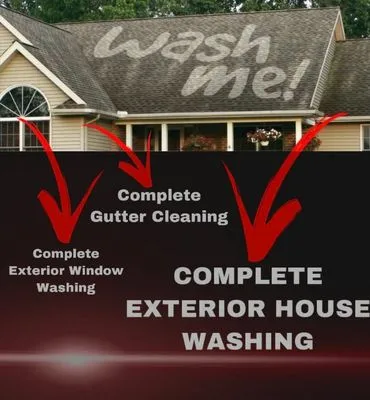
Stapp's House Washing & Mowing is a trusted local service provider in Lockney, TX, specializing in pressure washing, lawn care, and gutter cleaning. We understand the common challenges Lockney homeown...
Mowing King is your trusted local lawn care provider in Plainview, TX, dedicated to solving the common yard challenges homeowners face. We specialize in expert lawn care services that directly address...
Mrs Fix It 806 is a trusted local service provider in Plainview, TX, specializing in home cleaning, laundry services, and lawn care. Many Plainview homes face common landscaping challenges like storm ...
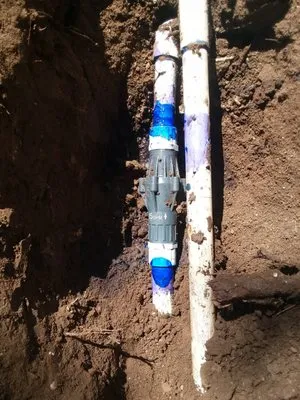
First Shot Solutions is Lubbock's trusted partner for irrigation and lawn health. Based right here in West Texas, we specialize in expert irrigation design, construction, and repair to tackle the comm...
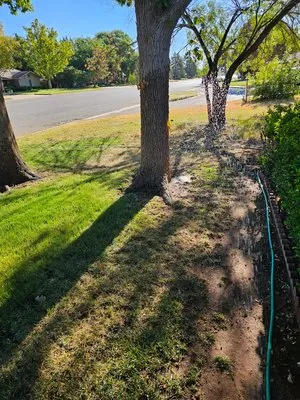
Eagle Eye Mowing has been serving Lubbock, TX, with reliable lawn care for over eight years. The owner transitioned from a decade-long career at the U.S. Post Office to a passion for landscaping, buil...
Estimated Landscaping Service Costs in Plainview, TX
Common Questions
I want to regrade my 0.22-acre lot. Do I need a permit, and what should I look for in a contractor?
Yes, significant regrading on a 0.22-acre lot almost always requires a permit from the City of Plainview Development Services to ensure proper drainage and compliance with city codes. Crucially, you must hire a contractor with the appropriate license from the Texas Department of Licensing and Regulation (TDLR). This licensing ensures they carry the required insurance, understand state excavation safety standards, and are qualified to execute the engineered plan without causing subsidence or drainage issues on your or your neighbor's property.
With Plainview under Stage 1 water restrictions, how do I keep my lawn alive without wasting water?
Stage 1 voluntary conservation is best managed with precision. Wi-Fi ET-based weather sensing controllers are the industry standard for this. They automatically adjust watering schedules by downloading local evapotranspiration data, applying water only as needed by the specific microclimate. For drought-adapted turf like Buffalograss or TifTuf Bermuda, this technology can reduce seasonal water use by 20-30% while maintaining plant health, keeping you well within municipal guidelines and reducing runoff on our dense clay soils.
My HOA issued a violation notice for overgrowth, and I need immediate service. How fast can a crew arrive?
For HOA compliance and emergency cleanup, our dispatch from the Plainview Courthouse Square area allows for a 15-20 minute peak response time to most Downtown addresses. The routing strategy utilizes I-27 for north-south efficiency before transitioning to local streets. We prioritize these calls with dedicated crews equipped for rapid debris removal and corrective mowing to resolve violations within a single service window, often on the same day the request is made.
I want to reduce mowing, gas usage, and maintenance. What are my options?
Transitioning to a climate-adapted landscape is the most effective strategy. Replacing high-input turf areas with a matrix of deep-rooted natives like Little Bluestem, Purple Coneflower, and Desert Willow eliminates weekly mowing and significantly reduces irrigation needs. This approach future-proofs your property against potential tightening of noise ordinances related to gas-powered equipment and aligns with 2026 biodiversity goals. A well-designed native planting also provides critical habitat for local pollinators and birds.
I've spotted what looks like invasive Bermudagrass in my flower beds. How do I deal with it?
Aggressive Bermudagrass is a common invader in our area. Manual removal is only temporarily effective due to its rhizomatous growth. A targeted, systemic herbicide application during its active growth phase is typically required for control. All applications must follow state-regulated protocols, including avoiding treatment during blackout dates preceding forecasted rain to prevent chemical runoff. For persistent problems, a professional licensed by the Texas Department of Licensing and Regulation (TDLR) can ensure safe, effective, and compliant treatment.
My backyard floods after every rain. What's a long-term solution for this pooling water?
Pooling is a classic symptom of low infiltration in Pullman Clay Loam. The solution involves redirecting water and improving permeability. We design graded swales to channel runoff away from foundations. For patios or paths, specifying permeable crushed limestone as a hardscape material allows water to percolate into the subsoil rather than sheeting off. These systems often require a permit from the City of Plainview Development Services to ensure they meet municipal stormwater management standards and do not adversely affect neighboring properties.
Is a wooden deck or a limestone patio better for longevity and fire safety in Plainview?
For longevity and aligning with Firewise principles, permeable crushed limestone is a superior choice. Wood requires constant sealing and deteriorates in our high-heat, low-humidity climate. A properly installed limestone patio requires minimal maintenance and will not combust, helping to create the required 5-foot non-combustible perimeter around your home for defensible space. Its permeability also directly addresses our core drainage hazard by reducing runoff, unlike solid surfaces which exacerbate it.
The soil in my Downtown Plainview yard feels dense and doesn't drain well. Is this just how it is here?
This is a direct result of the site's history and geology. Homes built around the area's 1968 average have soils that have been maturing for nearly 60 years, developing a dense profile of native Pullman Clay Loam. This alkaline soil (pH 7.8-8.2) is naturally prone to compaction, which severely limits permeability and root penetration. Annual core aeration, combined with incorporating 2-3 inches of composted organic matter, is essential to counteract this historical compaction and build soil structure that supports healthy plant life.
