Top Landscaping Services in Pecan Plantation, TX, 76049 | Compare & Call
There are 194 landscaping companies server in Pecan Plantation TX
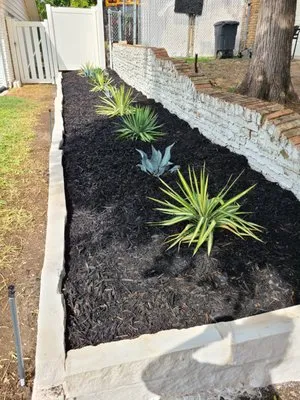
Garden Whisperer Landscaping is a full-service landscaping company serving Burleson, TX, specializing in creating and maintaining beautiful, functional outdoor spaces. We offer comprehensive services ...
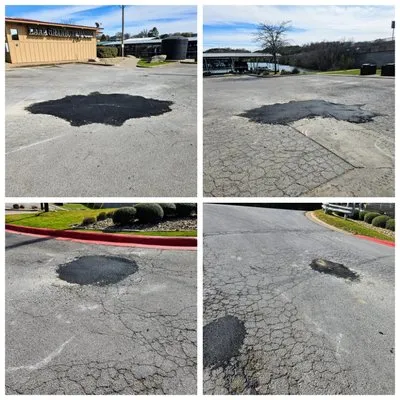
Texas Terrain Works is a Godley-based company providing essential ground services for residential and commercial clients. We handle excavation, land grading, and site preparation to create stable foun...
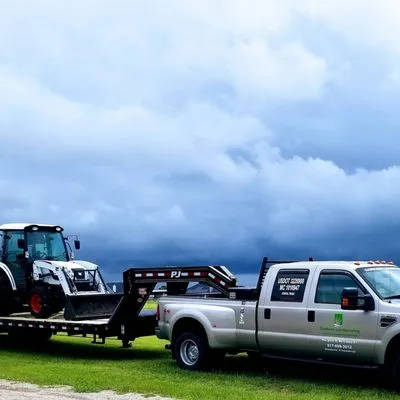
Sankara Landscaping
Sankara Landscaping is a fully licensed and insured provider serving Joshua, Johnson County, and the wider DFW Metroplex. We specialize in a comprehensive range of outdoor services, from routine lawn ...
HavenHub is a full-service landscaping and outdoor construction company serving Crowley, TX. We specialize in transforming challenging yards into beautiful, low-maintenance outdoor living spaces. We u...

Post Oak Land Co is a Fort Worth-based land management company dedicated to providing comprehensive and sustainable solutions for properties across North Texas. We specialize in landscaping, excavatio...
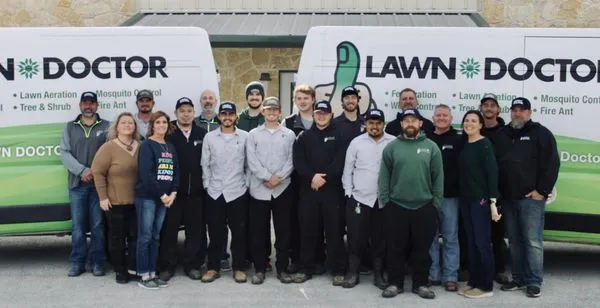
Lawn Doctor of Granbury-Burleson-Weatherford
Lawn Doctor of Granbury-Burleson-Weatherford is a locally owned and operated lawn and pest control service based in Cresson, TX, serving the surrounding communities. Owners Craig and Jodi Barnes bring...
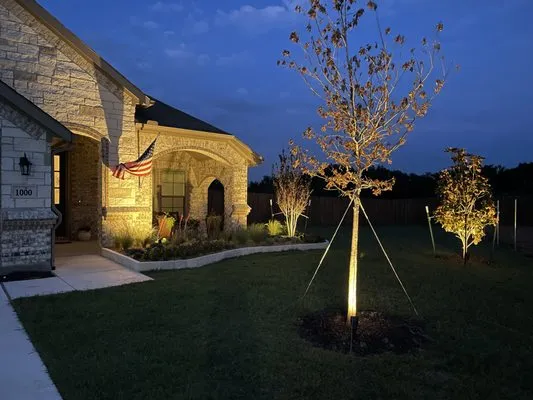
Vitex Services
Vitex Services is a locally owned and operated landscape design and construction firm serving Crowley, TX. Founded in 2016 and rebranded in 2024, our name is inspired by the hardy Vitex tree, a Texas ...
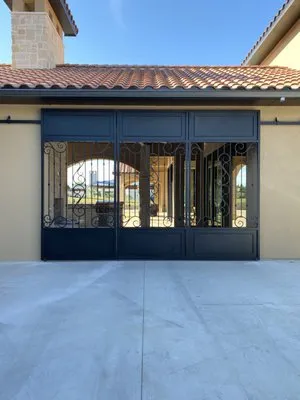
Bonaventure Stone and Patio is a family-owned and operated business in Haltom City, TX, with over 20 years of experience in masonry, concrete, landscaping, and metal fabrication. Founded by a local fa...

Aloha 1 Landscape is a second-generation, family-owned professional landscaping company serving Watauga and the greater Tarrant, Denton, Collin, Parker, Johnson, and Dallas areas for over 24 years. We...
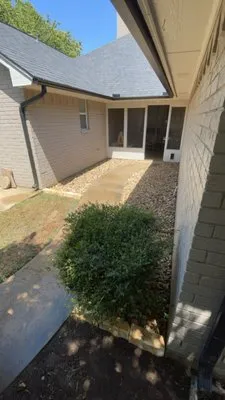
Rustic Root Landscape & Design is a Granbury-based landscaping company with over five years of experience serving the local community. We specialize in comprehensive landscape design, construction, an...
Estimated Landscaping Service Costs in Pecan Plantation, TX
Question Answers
Is native limestone better than wood for a new patio, considering our fire risk?
Native Texas limestone is superior for durability and fire mitigation. Unlike wood, it is non-combustible and provides a permanent, low-maintenance surface resistant to weathering. For properties in WUI Zone 2 with a Moderate Fire Wise rating, using stone for patios and pathways creates critical defensible space by interrupting fuel continuity. Limestone also complements the local ecology and, when laid with permeable joints, aids in managing the site's runoff from clay soils.
Water pools against our foundation after heavy rain. What's the best solution for our clay soil?
Shrink-swell clay expansion in the Bosque-Aledo complex creates moderate runoff. The primary fix is to regrade the lot to create positive slope away from the foundation, a process requiring Hood County Development Office review. Integrating a channel drain or dry creek bed lined with permeable native Texas limestone can manage surface flow. This aggregate increases infiltration and meets local runoff standards by reducing the velocity and volume of water leaving the property.
Do we need a permit to regrade our half-acre lot, and what type of contractor should we hire?
Yes, significant regrading on a 0.50-acre lot typically requires a permit from the Hood County Development Office to ensure compliance with drainage and erosion control ordinances. This work must be performed or supervised by a licensed Landscape Architect or an Irrigator licensed by the Texas Department of Licensing and Regulation, as it alters water flow and may impact irrigation systems. Hiring a licensed professional ensures the work meets engineering standards and protects you from liability related to downstream water damage.
We want to reduce mowing and gas blower noise. What are good native replacements for some lawn?
Transitioning high-maintenance turf to a xeriscape of Texas Sage, Flame Acanthus, and Little Bluestem significantly reduces weekly upkeep. These natives require no supplemental irrigation once established and support local pollinators, aligning with 2026 biodiversity targets. This shift eliminates weekly mowing and the need for gas-powered blowers, keeping your property compliant with evolving noise ordinances. The resulting landscape is resilient, fire-adapted, and provides year-round visual interest.
Our soil is so hard. Is this typical for Pecan Plantation homes built in the late '90s?
Yes, this is a direct result of soil age and composition. Lots from the 1997 build era have nearly 30 years of compaction. The native Bosque-Aledo Complex calcareous clay (pH 7.9-8.2) naturally binds tightly when deprived of organic matter. Over decades, irrigation and traffic have reduced permeability, creating a dense, hydrophobic layer. Core aeration combined with top-dressing compost is essential to rebuild soil structure and facilitate root penetration.
How can we keep our TifTuf Bermuda green on only two watering days per week?
Effective irrigation under Stage 2 restrictions relies on precision. Wi-Fi ET-based smart controllers adjust runtime daily using local weather data, applying water only when the turf experiences evapotranspiration loss. This method deep-waters the root zone during permitted days, encouraging drought tolerance. Proper calibration ensures the system delivers water at a rate the clay soil can absorb, maximizing efficiency and staying within municipal allotments without compromising turf health.
We see invasive weeds like King Ranch Bluestem. How do we treat them without harming our lawn or violating local rules?
Invasive grasses like King Ranch Bluestem compete aggressively with natives and turf. Treatment involves a targeted post-emergent herbicide application when the invasive is actively growing, typically outside the BMP nutrient runoff blackout dates to protect water quality. For organic suppression, manual removal before seed set is critical. Maintaining a thick, healthy stand of desired grass through proper fertilization timing is the best long-term cultural defense against invasion.
A storm brought down a large limb. How quickly can you respond for an emergency cleanup to meet HOA standards?
Our standard emergency dispatch from the Pecan Plantation Country Club area uses US-377, with a target arrival of 45-60 minutes during peak hours. We prioritize these calls to address immediate safety hazards and prevent HOA violations. Crews operate with electric chippers and hand tools to comply with noise ordinances outside restricted hours. This allows for rapid debris processing and site stabilization to restore property safety.
