Top Landscaping Services in Patton Village, TX, 77357 | Compare & Call
There are 193 landscaping companies server in Patton Village TX
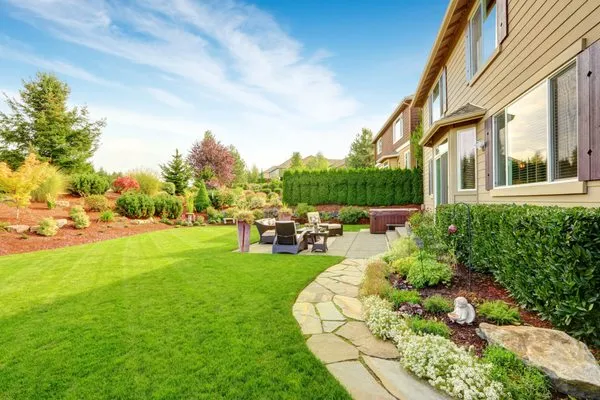
Supreme Green is your local landscaping partner in Porter, TX. We focus on creating and maintaining healthy, beautiful outdoor spaces for homes throughout our community. Our team specializes in compre...
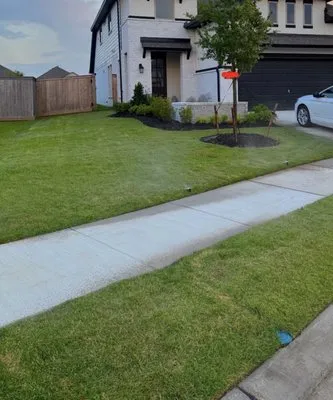
The Raise Landscape Maintenance is a Houston-based landscaping company dedicated to enhancing and preserving the beauty of local properties. Specializing in a comprehensive range of services, from lan...
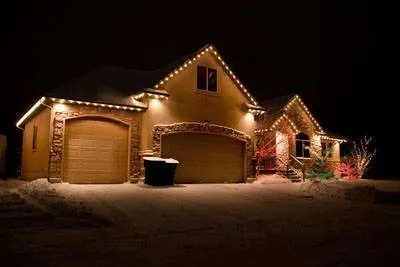
Olympus Lawn & Pool
Olympus Lawn & Pool is a Houston-based landscaping and home care company serving Kingwood, Atascocita, Humble, Spring, Tomball, and The Woodlands. Founded by an Agronomist Engineer with five years of ...
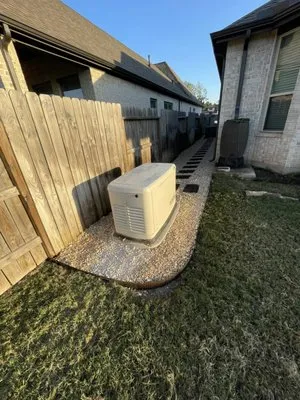
Manuel's Lawn Service & Landscaping
Manuel's Lawn Service & Landscaping is a veteran-owned and operated business serving Cleveland, TX, and the surrounding communities. Founded on principles of precision, pride, and meticulous attention...
Smack Downs Lawns is a Splendora-based lawn care provider focused on solving the specific challenges homeowners in our area face. We understand that issues like irrigation timer failure and persistent...
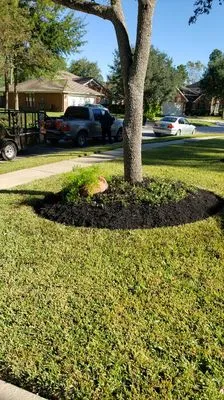
Benito's Lawn Service is a Porter-based lawn care provider with over a decade of experience serving the local community. Our deep understanding of the area's unique climate and soil conditions allows ...
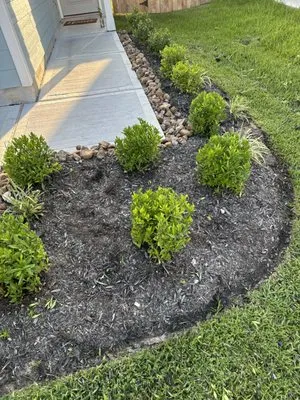
Cruz Landscaping is a trusted, full-service landscaping company serving New Caney, TX, and the surrounding communities. We specialize in solving the common local challenges homeowners face, such as po...
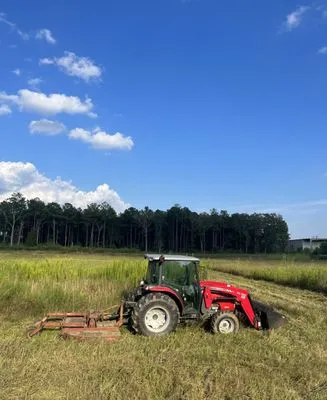
5c Agriculture is Cleveland, TX's trusted source for professional lawn care and reliable farming equipment. We understand the specific landscaping challenges local homeowners face, such as stubborn mu...
GAINZ Land Clearing & Landscaping is a trusted local provider in New Caney, TX, dedicated to enhancing outdoor spaces with professional expertise. We understand the common challenges faced by area hom...
Kings Lawn Care is a trusted local lawn service provider serving New Caney, TX, dedicated to maintaining beautiful, healthy lawns for homeowners and businesses. We specialize in comprehensive lawn car...
Estimated Landscaping Service Costs in Patton Village, TX
Common Questions
What permits and credentials are needed for significant grading or drainage work on my property?
Any grading that alters water flow or involves significant earth moving on a 0.35-acre lot typically requires a permit from the Patton Village City Planning & Development office. The contractor must hold appropriate licensing through the Texas Department of Licensing and Regulation (TDLR), such as an Irrigation Contractor or Landscape Architect license, depending on scope. This ensures the work complies with city codes, state BMPs for erosion control, and protects you from liability.
How can I keep my St. Augustine lawn alive during the summer without breaking water conservation rules?
Wi-Fi ET-based weather sensing irrigation is critical. It calculates evapotranspiration (ET) rates, automatically adjusting runtime to replace only the water the Raleigh St. Augustine turf actually uses. This system aligns with Stage 1 voluntary conservation by preventing overwatering. Deep, infrequent watering cycles early in the morning encourage deeper root growth, which improves drought tolerance and reduces overall water consumption from the municipal supply.
What invasive species should I watch for, and how do I deal with them safely?
Be alert for invasive grasses like Bermudagrass and woody plants like Chinese Tallow. Manual removal is most effective for small infestations. For larger issues, targeted, EPA-registered herbicide applications must follow state BMPs for Phosphorus runoff prevention, avoiding application before forecasted rain. Always adhere to local blackout dates for fertilizer and herbicide use to protect watersheds. Promoting dense growth of native plants is the best defense against invasion.
I'm tired of constant mowing and blowing. Are there lower-maintenance, native options?
Yes. Transitioning sections of high-input turf to a palette of natives like Gulf Muhly grass, American Beautyberry, and Eastern Redbud significantly reduces maintenance. These plants are adapted to the acidic soil and local climate, requiring less water and no frequent mowing. This shift also future-proofs your property against evolving noise ordinances that restrict gas-powered blowers, as native beds generate less leaf litter and require minimal seasonal cleanup.
We have a tree down after a storm and need an emergency cleanup to meet HOA rules. How fast can a crew arrive?
For emergency compliance work, our electric fleet can be dispatched from Patton Village City Hall. The route via US-59 (I-69) allows for access within the 45-60 minute peak storm response window. We prioritize safety and compliance, bringing equipment that operates within noise ordinance hours to clear debris and secure the property, ensuring it meets community standards by the next inspection cycle.
My yard holds water for days after a rain. What's a long-term solution for this poor drainage?
The issue is a dense, poorly drained clay subsoil beneath the surface layer, a common hazard here. Solutions begin with improving soil percolation via aeration and organic amendments. For hardscapes, installing permeable concrete pavers or using crushed limestone for paths allows stormwater to infiltrate onsite, reducing runoff. These methods often meet Patton Village City Planning & Development standards for managing water flow and can mitigate foundation water pressure.
Is crushed limestone or permeable pavers a better choice than wood for a new patio?
For longevity and fire resilience, inorganic materials are superior. Crushed limestone and permeable concrete pavers offer excellent durability and drainage in our climate, unlike wood which decays. For properties in the Moderate (WUI Zone 2) fire risk area, these materials also contribute to defensible space by creating a non-combustible zone. Their permeability manages runoff, aligning with best practices for soil health and water conservation in the residential district.
Why does our soil seem so compacted and tired, and what can we do about it?
Homes built around 1993, like many here, have soil that has matured for over 30 years. Over decades, fine sandy loam common to the area compacts under foot and mower traffic, reducing permeability for water and roots. Core aeration in early spring or fall introduces oxygen and creates channels for water infiltration. Amending with 1-2 inches of composted organic matter annually rebuilds soil structure and supports the microbial life essential for long-term landscape health.
