Top Landscaping Services in Pasadena, TX, 77058 | Compare & Call
There are 216 landscaping companies server in Pasadena TX
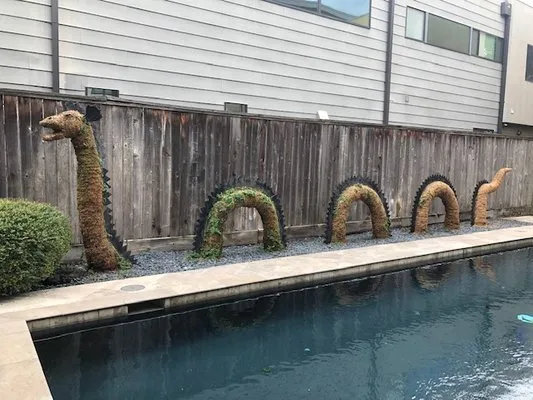
Topiary and Garden is a Houston-based lawn services company that combines artistry with practical landscaping. We specialize in creating custom, hand-crafted topiaries made in the USA, ranging from sm...
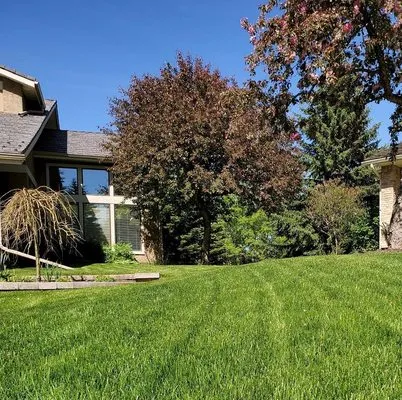
Sharpstown Lawn Care has been transforming Houston's lawns since 2015 by blending horticultural knowledge with modern, sustainable practices. Led by Samuel, our team focuses on data-driven lawn and tr...
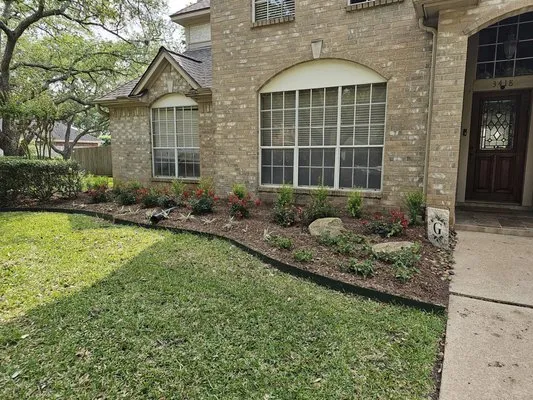
Texas Turf Landscaping is a licensed Houston-based company specializing in irrigation and landscaping services. We provide comprehensive solutions including irrigation system design and construction, ...
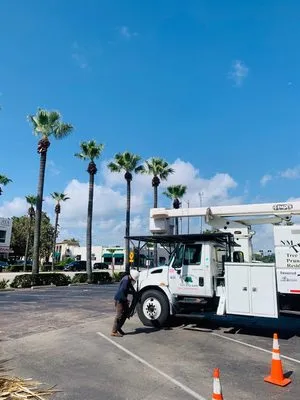
Since 2000, NM Tree Solution has been Houston's trusted partner for comprehensive tree care and professional landscaping. We provide a full suite of services for both residential and commercial proper...
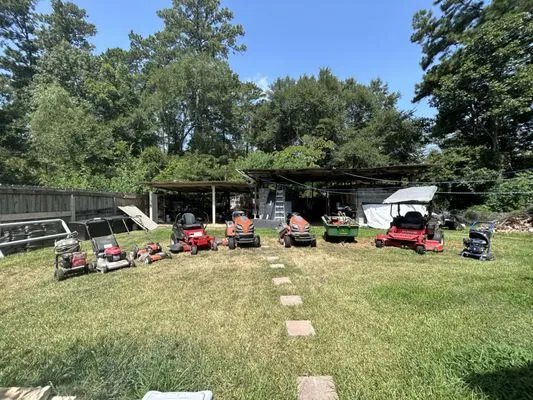
Hernandez landscaping and multiservices
Hernandez Landscaping & Multiservices is a family-owned and operated business rooted in Houston. We believe in doing more than just a job; we're driven by a genuine passion for transforming outdoor sp...
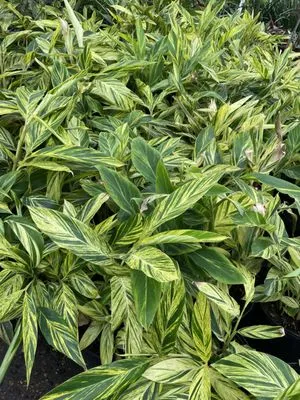
Rangel Southwest Creations Lawn Care is a family-owned Houston lawn service business now managed by Victor Rangel. Born in Mexico and fluent in both English and Spanish, Victor brings over 7 years of ...
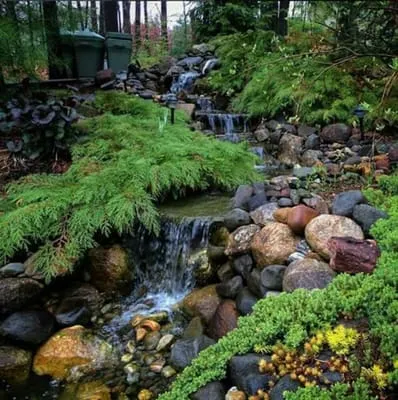
Aquatic Landscaping & Outdoor Design
Aquatic Landscaping & Outdoor Design is a Houston-based landscape company specializing in creating distinctive water features and comprehensive outdoor designs for residential and commercial propertie...
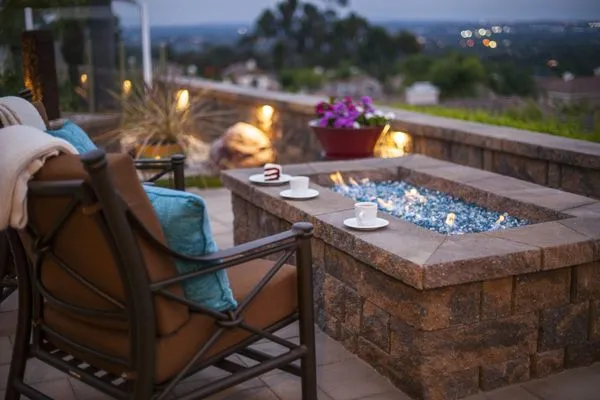
System Pavers
System Pavers in Houston, TX, is a trusted outdoor remodeling company with over 30 years of experience, specializing in landscaping, landscape architecture, and masonry/concrete work. As part of a nat...
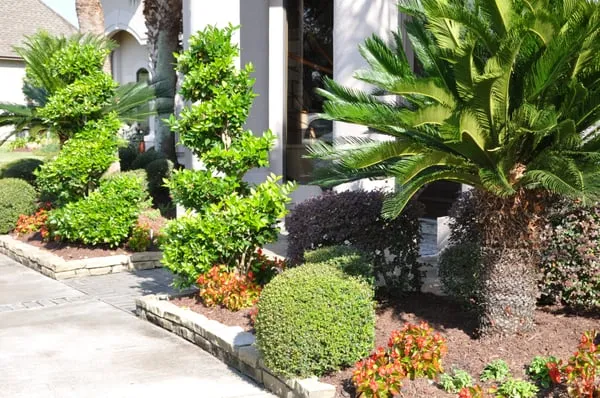
Since 1978, Universal Landscape Services has been a trusted name for landscaping in Houston and the Bay Area. Founded by a Texas A&M horticulture graduate with over 30 years of professional experience...
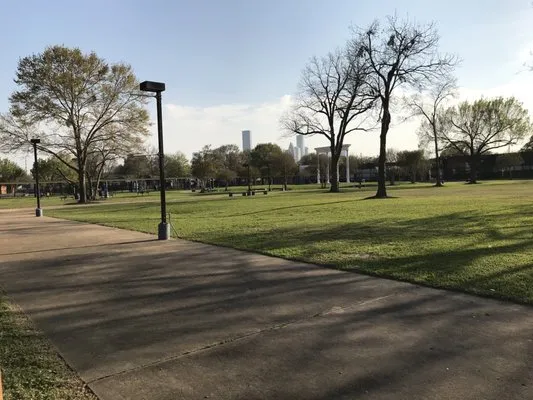
Smartscaping in Houston, TX is a landscaping company founded in 2014 that specializes in environmentally friendly services for commercial and public properties. We focus on sustainable practices, usin...
Estimated Landscaping Service Costs in Pasadena, TX
Frequently Asked Questions
What permits and credentials are needed for a major backyard regrading project?
Regrading a 0.22-acre lot in Pasadena typically requires an engineered drainage plan and a permit from the City of Pasadena Planning Department to ensure compliance with floodplain and runoff regulations. The contractor must hold appropriate licensing from the Texas Department of Licensing and Regulation (TDLR), which covers excavation and earthwork. Unlicensed grading can lead to improper slope, structural damage, and significant municipal penalties, making professional verification essential.
How quickly can you respond to an emergency storm cleanup to avoid HOA fines?
For urgent compliance or storm response in Golden Acres, our dispatch from Strawberry Park uses Beltway 8 for direct access, ensuring a 20-30 minute arrival during peak conditions. We maintain a fleet of electric-powered equipment that complies with Pasadena's noise ordinance for after-hours work when necessary. This logistics plan allows for rapid debris removal and turf repair to meet strict HOA deadlines following weather events.
What's the best solution for standing water in our yard after a rain?
Standing water is a direct result of the low permeability in Beaumont Clay. The primary solution involves integrating subsurface drainage, such as French drains, with surface grading to direct water away from foundations. Replacing impervious surfaces with permeable concrete pavers can significantly reduce runoff and may be incentivized under city stormwater standards. These combined approaches manage the high runoff typical in Pasadena and protect landscape investments.
Is there a lower-maintenance alternative to our high-input turfgrass?
Transitioning to a climate-adaptive landscape with native species like Gulf Coast Muhly, Turk's Cap, and Texas Lantana drastically reduces water, fertilizer, and maintenance needs. These plants are adapted to the local 9b zone and clay soil, requiring no supplemental irrigation once established. This shift also future-proofs the property against evolving noise ordinances that restrict gas-powered blowers and mowers, aligning with 2026 sustainability benchmarks.
How do we keep a St. Augustine lawn green during voluntary water restrictions?
Maintaining a Raleigh or Palmetto St. Augustine lawn under Stage 1 conservation requires precision. Wi-Fi ET-based irrigation controllers are critical, as they apply water only when evapotranspiration data indicates a need, often reducing usage by 20-30%. Programming for deep, infrequent watering cycles before 10 AM encourages deeper roots that withstand heat. This method sustains the turf within municipal guidelines while preventing the shallow root systems caused by frequent, light watering.
How should we handle invasive weeds without harming the bayou?
Managing invasive species like Chinese Tallow or Bermuda grass requires a strategy that prevents nitrogen and phosphorus runoff into watersheds. Spot treatment with EPA-registered herbicides, applied during dry, calm periods, is followed by manual removal and replanting with natives. This protocol adheres to the city's fertilizer ordinance and Best Management Practices, ensuring chemicals do not leach into the soil or contaminate runoff during the prohibited application windows.
Are permeable pavers a better long-term choice than wood decking?
For longevity and ecological function in Pasadena, permeable concrete pavers outperform wood. They do not rot, warp, or attract termites, and their permeability directly mitigates local drainage hazards by allowing water infiltration. In areas with a Moderate Fire Wise rating, such as the urban-wildland interface, pavers also provide a non-combustible, defensible space material that enhances property safety compared to wooden structures.
Why is our clay soil so compacted and hard to work with?
The Beaumont Clay soil in the Golden Acres neighborhood is naturally dense with poor permeability. Homes built around 1976, like many here, have had over 50 years for that clay to settle and become highly compacted without consistent organic input. This creates a shallow, impermeable layer that restricts root growth and water infiltration. Annual core aeration and the addition of 2-3 inches of compost are essential practices to improve soil structure and biological activity.
