Top Landscaping Services in Parker, TX, 75002 | Compare & Call
There are 203 landscaping companies server in Parker TX
Paverock Dallas
Paverock Dallas is a local masonry and landscaping company serving Allen, TX, and the surrounding areas. Specializing in custom landscape design, they create functional and beautiful outdoor spaces ta...
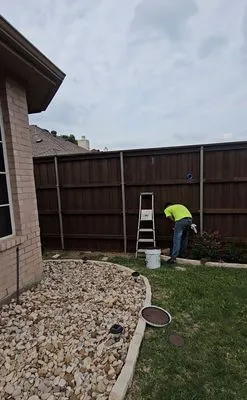
Gabriela is the owner and operator of Landscaping And More MG in Plano, TX. As a member of the LGBTQ+ community, she is dedicated to creating a welcoming and inclusive environment for all clients. Gab...
Pedro's Landscape And Irrigation is a trusted, full-service landscaping company serving Plano, TX. They specialize in both creative design and reliable maintenance, offering everything from custom irr...
Estimated Landscaping Service Costs in Parker, TX
Question Answers
I'm tired of weekly mowing. Are there lower-maintenance options?
Reducing high-input turf areas is a forward-thinking strategy. Replacing sections with native plants like Texas Sage, Flame Acanthus, and Gulf Muhly slashes water and maintenance needs. This xeriscaping approach also future-proofs your property against potential tighter noise ordinances, as electric maintenance tools for native beds operate more quietly than gas-powered lawn equipment.
Why does my lawn struggle to grow despite regular watering?
Homes in Parker Estates, built around 2003, sit on immature Houston Black Clay soil. With only 23 years of development, the soil lacks mature organic structure, leading to compaction and poor percolation. This high-pH clay restricts root penetration and water infiltration. Core aeration combined with organic compost amendments is essential to build soil tilth and improve plant health.
My yard holds water after rain. What's the best fix for this soil?
Houston Black Clay has notoriously poor vertical drainage due to its shrink-swell nature. Surface solutions like regrading must be paired with subsurface strategies. Installing French drains and using permeable hardscape materials, such as crushed limestone, can redirect water. These methods also help meet Parker Planning & Zoning Department standards for managing stormwater runoff on-site.
Do I need a permit to regrade my one-acre lot?
Yes, significant grading on a one-acre property in Parker typically requires a permit from the Parker Planning & Zoning Department. The scale of earthmoving can impact drainage patterns and neighboring properties. Furthermore, this work must be performed by a contractor licensed by the Texas Department of Licensing and Regulation (TDLR) to ensure it meets professional and safety standards.
Is crushed limestone a better choice than wood mulch for my patio borders?
For longevity and fire resilience, crushed limestone is superior. Unlike wood mulch, which decomposes and can fuel fire, limestone is mineral-based and permanent. It contributes to a defensible space, an important consideration in Parker's Moderate Wildland-Urban Interface rating. As a permeable material, it also aids drainage and doesn't require annual replacement.
My HOA gave a notice for overgrowth. How fast can you respond?
We prioritize HOA compliance calls. A crew can dispatch from Parker City Hall, take FM 2551 to your neighborhood, and arrive within the 20-30 minute window for urgent service. Our fleet schedule is optimized for peak response times, allowing us to address overgrowth and debris to meet your compliance deadline efficiently.
How can I keep my St. Augustine grass green under Stage 1 water restrictions?
Wi-Fi ET-based irrigation controllers are the standard solution. They use local evapotranspiration data to apply only the precise water needed, aligning with voluntary conservation goals. This technology prevents overwatering, which is critical in shrink-swell clay. Properly programmed, it maintains turf health while respecting municipal water limits and adjusting for real-time weather.
What are the biggest weed threats here, and how do I manage them?
In Parker, common invasive alerts include Bermudagrass encroachment and nutsedges. Management requires pre-emergent herbicides applied at correct seasonal timings and manual removal. All treatments follow EPA and TCEQ guidelines, focusing on cultural health to outcompete weeds. We avoid phosphorus applications unless a soil test confirms a deficiency, preventing unnecessary runoff.
