Top Landscaping Services in Panhandle, TX, 79068 | Compare & Call


A & E Lawn Service, founded in 2019 as an extension of the established A & E Underground, brings a professional and detail-oriented approach to lawn care for Panhandle residents. Under the guidance of...
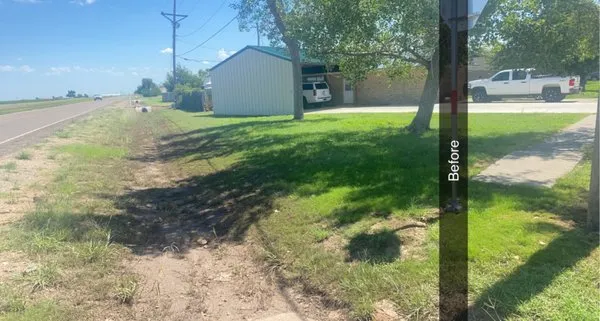
Hartman Lawn Care is a trusted local lawn service provider serving Panhandle, TX, and surrounding areas. We specialize in comprehensive lawn care solutions tailored to the unique challenges of the Tex...

G G & J Remodeling And Landscaping
G G & J Remodeling And Landscaping is a full-service contractor and landscaping company serving Panhandle, TX, and the surrounding areas. We specialize in transforming both the interior and exterior o...

We're On It is a trusted Panhandle, TX home services company specializing in cleaning, pressure washing, and landscaping. We help local homeowners maintain beautiful, functional properties with servic...
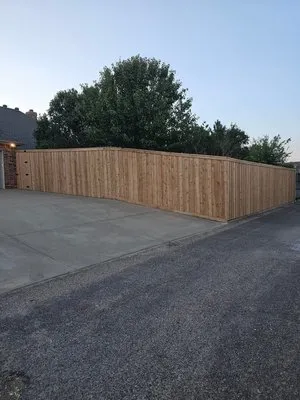
Scroggs Fencing is a trusted, locally-owned fence and gate specialist serving the Panhandle, TX community. We provide comprehensive solutions for residential and commercial properties, including exper...
FAQs
Why does the soil in our Central Panhandle yard seem so hard and compacted?
Homes built around 1962, like many in this area, have soil that has matured for over 60 years without major intervention. The native Calcareous Clay Loam is prone to high density and low permeability. This aging process, combined with historical construction compaction, necessitates annual core aeration and organic amendments like compost to improve soil structure and water infiltration for healthy root zones.
We have an invasive weed problem. How do we treat it without harming the environment or breaking rules?
First, accurately identify the species, as treatments for Bermuda grass differ from those for field bindweed. All chemical applications must follow TCEQ guidelines for herbicide use; there are no specific municipal nutrient bans, but timing is critical to avoid non-target damage. For ecological control, we recommend targeted spot treatments combined with promoting dense growth of native ground covers to outcompete invaders.
Our yard floods after heavy rains. What's the best solution for our clay soil?
High runoff in Calcareous Clay Loam is due to its naturally low permeability. The solution integrates soil amendment with permeable hardscaping. Replacing solid surfaces with permeable concrete or a crushed limestone base in patios and walkways increases infiltration. This approach, often required by Carson County Planning & Development for new installations, manages stormwater onsite and reduces pooling.
Is crushed limestone or permeable concrete better for a new patio than wood?
For longevity and fire resilience, inorganic materials are superior. Crushed limestone and permeable concrete offer decades of service with minimal maintenance, unlike wood which decays. In a Moderate Fire Wise rated zone, these materials also create critical defensible space by providing a non-combustible surface near the home, a key consideration for High Plains Grassland fire risk management.
How quickly can you respond for an emergency storm cleanup to meet an HOA deadline?
Our dispatch from the Carson County Courthouse area allows for a 15-20 minute peak response time to most Central Panhandle locations via US-60. We maintain an electric fleet compliant with quiet hour ordinances for immediate debris removal and limb clearing. This rapid deployment is designed specifically to help homeowners avoid HOA compliance fines after significant weather events on the High Plains.
What are the long-term benefits of switching from traditional lawn to native grasses and plants?
Transitioning to a palette of Little Bluestem, Buffalo Grass, Sand Sagebrush, and Purple Prairie Clover establishes a resilient, low-input landscape. This xeriscape drastically reduces mowing, watering, and the need for gas-powered blowers, future-proofing your property against tightening noise and emission ordinances. It also significantly enhances local biodiversity and soil health, creating a self-sustaining ecosystem.
How can we keep our Buffalograss lawn alive during voluntary water conservation stages?
Under Stage 1 voluntary conservation, precision is key. Smart Wi-Fi soil moisture sensor controllers are essential, as they irrigate based on actual evapotranspiration (ET) and root zone needs, not a fixed schedule. This technology prevents overwatering, aligns with municipal limits, and supports the deep-rooted, drought-tolerant nature of Buffalograss, which requires far less water than non-native turf species.
Do we need a permit to regrade our yard, and what should we look for in a contractor?
Yes, significant regrading on a 0.25-acre lot typically requires a permit from Carson County Planning & Development to ensure proper drainage and compliance with codes. You must hire a contractor licensed by the Texas Department of Licensing and Regulation (TDLR) for earthwork. This licensing verifies they carry the necessary insurance and possess the expertise to execute the project without causing drainage issues for your or neighboring properties.
