Top Landscaping Services in Pampa, TX, 79065 | Compare & Call


JRP Trees and Landscaping
At JRP Trees and Landscaping in Pampa, we're built on a foundation of doing things right the first time. With a professional background in construction from a leading Amarillo company, we bring that s...

River A Weed Control is a locally owned and operated weed control and fertilization service in Pampa, TX, dedicated to keeping yards healthy and attractive year-round. Founded by lifelong Pampa reside...
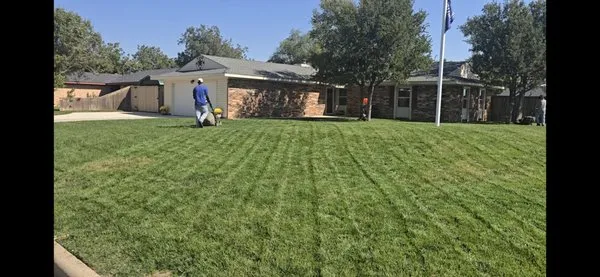
Mendoza Services is a professional lawn care and sprinkler system contractor based at 625 S West St. in Pampa, Texas. Their team specializes in irrigation repair, installations, and design, providing ...
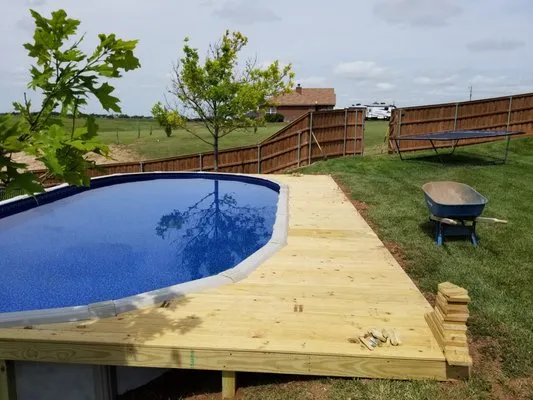
Sandburr Irrigation & Landscaping is a trusted local landscaping company serving Pampa, TX, and the surrounding area. We specialize in comprehensive irrigation and landscaping solutions tailored to th...
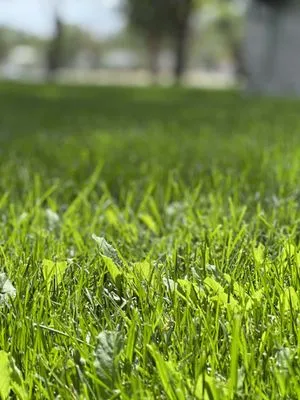
Losoya & Son Landscaping
Losoya & Son Landscaping is a trusted, family-owned landscaping company serving Pampa, TX, and the surrounding areas. With expertise in landscaping, masonry/concrete, and tree services, they provide c...

Goat Lawn Care is a dedicated lawn service provider in Pampa, TX, specializing in comprehensive lawn care solutions tailored to the unique needs of local homeowners. Many Pampa properties face common ...
Brian Heaps Lawn Services is a dedicated, local provider serving Pampa, TX, with reliable lawn care solutions. We understand the common local frustrations of patchy, thinning grass and persistent weed...
Straight Edge Lawn Service is your trusted local landscaping expert serving Pampa, TX, and the surrounding areas. We specialize in solving common Panhandle yard problems, particularly standing water a...

Integrity Lawn & Wash is a Pampa-based service provider specializing in lawn care and pressure washing for both residential and commercial properties. With a commitment to professionalism and reliabil...
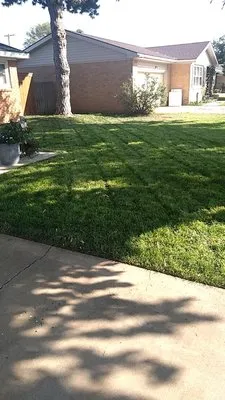
Alex Detailing & Landscaping is a trusted, full-service company serving Pampa, TX, specializing in both auto detailing and comprehensive landscaping solutions. We help homeowners and businesses enhanc...
Questions and Answers
Should I replace my high-maintenance turf with native plants to reduce landscaping costs?
Transitioning to Little Bluestem, Sand Sagebrush, Purple Prairie Clover, and Indian Blanket natives reduces mowing frequency from bi-weekly to seasonal maintenance while supporting local pollinators. These deep-rooted species stabilize Pampa's erosion-prone soils and require minimal irrigation once established. Electric maintenance equipment for native landscapes operates quietly within noise ordinance hours, avoiding gas-blower restrictions. This approach aligns with 2026 biodiversity standards by creating habitat corridors while reducing water consumption by 50-75% compared to traditional turf.
Is permeable crushed limestone better than wood for patio materials in fire-prone areas?
Permeable crushed limestone provides superior fire resistance compared to wood, with an ignition temperature above 1,000°F versus wood's 400-500°F range. This non-combustible material maintains Pampa's Moderate Fire Wise Rating (WUI Zone 2) by creating defensible space without contributing fuel loads. The limestone's natural albedo reflects heat rather than absorbing it, reducing radiant temperatures near structures. Unlike wood that requires chemical treatments against decay, limestone maintains structural integrity for 20+ years with minimal maintenance in Pampa's climate while improving site drainage through its permeability.
How quickly can you respond to an emergency tree cleanup after a storm in Pampa?
Our electric maintenance fleet can dispatch from Recreation Park via US-60 to reach Hobart Historic District properties within 20-30 minutes during peak storm response windows. This rapid deployment leverages quiet electric equipment that complies with Pampa's 7:00 AM to 9:00 PM noise ordinance while addressing immediate safety hazards. We prioritize downed trees blocking driveways or threatening structures, with documentation for insurance claims. Our routing software accounts for real-time traffic patterns to maintain this response time even during adverse weather conditions.
How do I safely treat invasive species without violating Pampa's fertilizer ordinances?
For invasive species like Johnson Grass or Field Bindweed in Pampa, mechanical removal followed by targeted organic herbicides avoids phosphorus runoff near storm drains. Apply treatments during dry periods when soil moisture is below 60% to prevent chemical movement into waterways. The Texas Department of Licensing and Regulation requires certified applicators for certain treatments on 0.22-acre lots to ensure proper calibration and containment. Regular monitoring and early intervention reduce the need for aggressive chemical applications that might conflict with local environmental protections.
What permits and licenses are required for regrading my 0.22-acre Pampa property?
Grading work exceeding 100 cubic yards of soil movement requires an erosion control permit from Pampa City Building Inspections Department, with engineered plans for slopes over 3:1. The Texas Department of Licensing and Regulation mandates landscape architects or licensed irrigators for drainage systems affecting more than 5,000 square feet. On 0.22-acre lots, professional licensing ensures proper compaction testing and soil stabilization to prevent neighborhood drainage issues. Failure to obtain proper documentation can result in stop-work orders and fines, particularly in Hobart Historic District where soil disturbance affects adjacent properties.
How can I maintain healthy Buffalograss during Pampa's Stage 1 water restrictions?
Smart Wi-Fi ET-based weather sensing irrigation systems calculate evapotranspiration rates to deliver precise water amounts matching plant needs. These systems automatically adjust schedules based on local weather data, reducing water use by 20-30% compared to traditional timers while preserving turf health. For Buffalograss or Common Bermuda in USDA Zone 7a, this technology prevents overwatering that exacerbates Pampa's calcareous soil drainage issues. Programming deep, infrequent watering cycles encourages deeper root growth and drought tolerance within voluntary conservation guidelines.
Why does my Hobart Historic District yard have such hard, compacted soil that won't absorb water?
Pampa's calcareous silty clay loam soil naturally compacts over time, and with homes averaging 65 years of age since 1961, soil structure has degraded without intervention. This soil type has low permeability and high pH (7.9), which reduces water infiltration and nutrient availability. Core aeration with organic amendments like composted manure or peat moss can improve soil structure by increasing pore space and microbial activity. Regular soil testing every 2-3 years helps monitor pH adjustments needed for optimal plant health in this specific neighborhood context.
What's the best solution for erosion and sheet flow problems in my Pampa yard?
Calcareous silty clay loam soils have low infiltration rates, causing water to run off rather than percolate. Installing permeable crushed limestone hardscapes creates surfaces that allow 3-5 inches per hour of water infiltration, reducing sheet flow and erosion. These systems often qualify for stormwater management credits through Pampa City Building Inspections Department when designed with proper slope and subsurface drainage layers. French drains or dry creek beds integrated with permeable surfaces can redirect water away from foundations while meeting municipal runoff standards.
