Top Landscaping Services in Onalaska, TX, 77360 | Compare & Call

There are 95 landscaping companies server in Onalaska TX

Palm Landscape & Construction is a family-owned and operated business built on a foundation of hard work and shared purpose. Founded by five brothers with over a decade of combined hands-on experience...
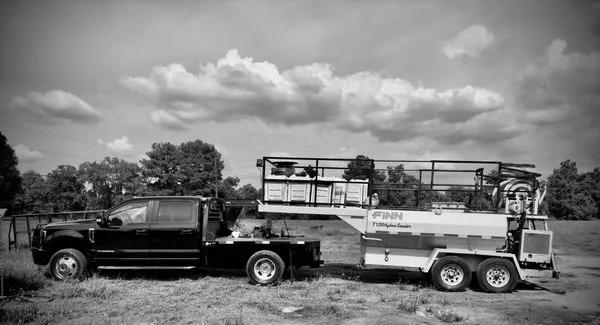
All Tex Hydromulch and Seeding is a trusted, family-owned landscaping business serving Cypress, TX, and the greater Houston area. We specialize in professional hydromulching and hydroseeding, offering...
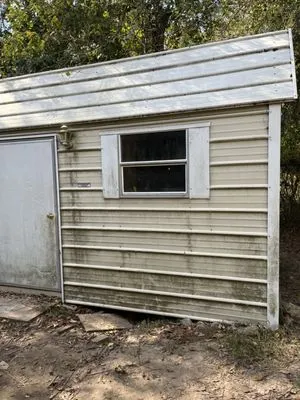
Steven Abrams runs Jr’s Pressure Washing in Splendora, a local service dedicated to helping homeowners maintain and beautify their properties. The company offers comprehensive exterior cleaning, inclu...

Rockin' D Services
Rockin' D Services is a family-owned and operated landscaping company in Huntsville, TX, built on a foundation of hard work and local values. The business began with owner Dustin's early experiences d...

Cowboy Yeti Services is a Cleveland, TX-based company built from the ground up by owner Anthony. Starting with small home repairs and tree removal, the company grew through trusted word-of-mouth from ...
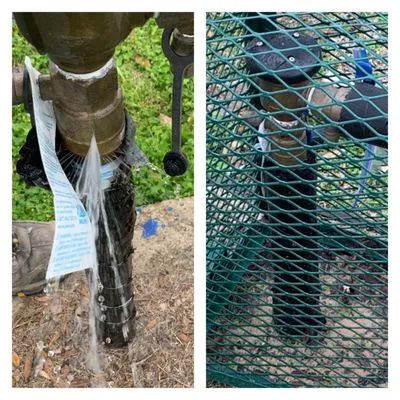
Seamless Solutions is a family-run business serving Magnolia, TX, offering comprehensive home maintenance and repair services. We specialize in pressure washing, lawn care, and handyman solutions, pro...
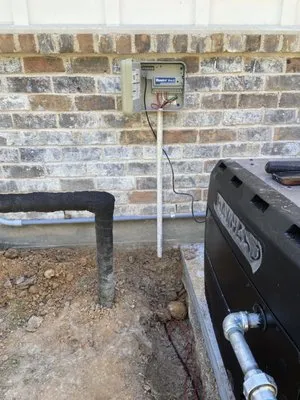
Colton, the owner and operator of First Line Irrigation, brings a unique dedication to his work in Willis, TX. As an active firefighter in Spring with five years of service, he understands the importa...
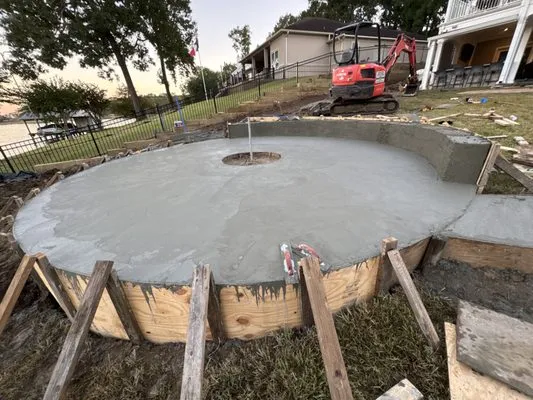
Garcia's Service is a trusted, full-service contracting company serving Cleveland, TX, specializing in masonry, concrete, and landscaping. We help local homeowners transform and maintain their propert...
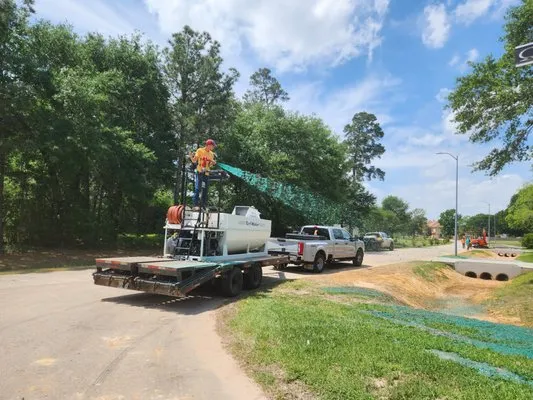
Grasswirx was founded in Spring, TX, by Dan Harper, a business owner with a construction background who saw the need for a better way to establish grass and stabilize soil. What began as a local servi...
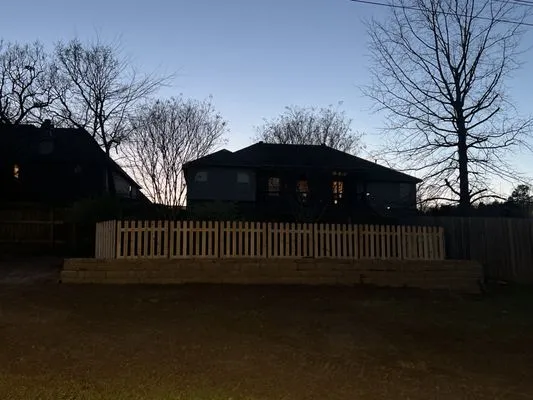
Razorline Concrete & Land Services is a trusted, family-owned business serving the Buffalo, TX community. We specialize in transforming properties with a comprehensive range of services, from concrete...
Estimated Landscaping Service Costs in Onalaska, TX
Questions and Answers
How quickly can a crew respond for emergency tree debris cleanup after a storm?
For urgent HOA compliance or safety issues, a dispatch from our base near Lake Livingston State Park can reach most Onalaska City Center properties within 45-60 minutes during peak conditions, traveling via US-190. Our transition to electric-powered maintenance fleets, including chippers and blowers, allows us to operate effectively within standard quiet hours (10 PM - 7 AM) if immediate nighttime mitigation is required.
Why does my Onalaska City Center lawn compact and drain so poorly after rain?
Homes built around 1990, common in this area, have soils with 36 years of maturity. The acidic sandy loam topsoil has likely degraded, and the high clay subsoil beneath has become severely compacted from decades of traffic and conventional maintenance. This combination creates a dense layer that impedes water infiltration. Core aeration and incorporating 2-3 inches of composted organic matter are critical to rebuild soil structure and restore permeability.
Can I keep my St. Augustine lawn healthy under Stage 1 water conservation rules?
Yes, through precise irrigation management. Smart Wi-Fi ET-based controllers are essential; they automatically adjust runtime based on real-time evapotranspiration data, weather forecasts, and soil moisture. This technology can reduce water use by 20-30% while maintaining turf health, ensuring compliance with voluntary conservation measures. For Raleigh St. Augustine or Bermuda, deep, infrequent watering cycles that match soil percolation rates are more effective than frequent, shallow applications.
What's the best way to fix persistent standing water in my yard?
Poor infiltration is typical in areas with our acidic sandy loam over dense clay subsoil. The primary solution is subsoil integration—using a trencher or auger to break up the compacted layer and backfill with gravel or amended soil to create vertical drainage channels. For patios or walkways, specifying permeable crushed granite or sandstone allows runoff to percolate directly into the ground, which often aligns with City of Onalaska Planning & Zoning Department standards for managing onsite stormwater.
What permits and licenses are needed to regrade my 0.35-acre lot?
Significant earthmoving or grading on a 0.35-acre lot typically requires a permit from the City of Onalaska Planning & Zoning Department to ensure compliance with erosion control and drainage plans. Furthermore, contractors performing this work must hold appropriate licensing from the Texas Department of Licensing and Regulation (TDLR). This ensures they carry required insurance and adhere to state standards for excavation and public safety, protecting you from liability and substandard work.
Is crushed granite or sandstone better than wood for a patio in our area?
Inorganic materials like crushed granite or sandstone offer superior longevity and require almost no maintenance compared to wood, which decays in our humid climate. For properties in Moderate (WUI Zone 2) fire risk areas, these materials also contribute to defensible space as non-combustible, fire-resistant zones. Their permeability aids drainage, addressing our common soil compaction issues, and their aesthetic integrates naturally with native plant palettes.
How do I manage invasive species like Chinese Tallow without harming my garden?
For invasive species alert, mechanical removal is preferred. Saplings should be hand-pulled, ensuring the entire root system is extracted. For larger specimens, cut-stump treatment with a targeted herbicide applied directly to the fresh cut minimizes environmental impact. Timing is critical to avoid state-regulated nutrient application blackout dates and to prevent violating TCEQ compliance rules; always apply treatments during dormant seasons and never before forecasted rain.
What are low-maintenance alternatives to my high-water turf grass?
Transitioning to a climate-adaptive xeriscape with regional natives like American Beautyberry, Yaupon Holly, and Switchgrass significantly reduces water, mowing, and chemical inputs. These plants are adapted to the local pH and climate, supporting 2026 biodiversity standards. This approach also future-proofs your landscape against increasing noise ordinances targeting gas-powered blowers and mowers, as established native beds require minimal seasonal cleanup with quieter electric equipment.
