Top Landscaping Services in Magnolia, TX, 77353 | Compare & Call
There are 176 landscaping companies server in Magnolia TX
TLC Handyman and Small Engine Repair Services
TLC Handyman and Small Engine Repair Services is your trusted local expert in Magnolia, TX, specializing in lawn services, handyman work, and farm equipment repair. We understand the common local chal...
All Pro Landscaping is a trusted, locally-owned landscaping company serving Magnolia, TX, and the surrounding areas. We specialize in providing tailored solutions for the unique challenges of our loca...
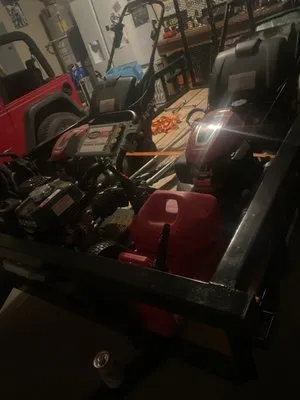
R&R Lawn Care and Pressure Washing is a trusted local provider in Magnolia, TX, dedicated to solving common yard problems homeowners face. We specialize in addressing poor lawn grading and standing wa...
G&D Tree Service is a trusted, full-service landscaping and tree care company serving Magnolia, TX homeowners and businesses. We specialize in comprehensive solutions for common local landscaping chal...
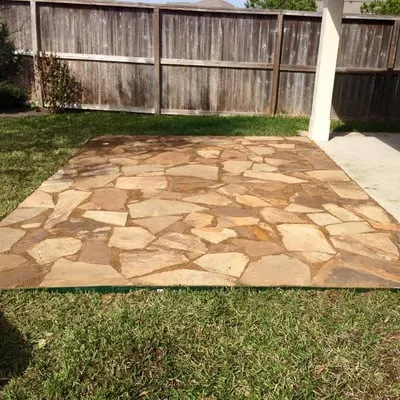
Lawn Lizard Landscaping is a family-owned and operated landscape and lawn care company serving Magnolia, Texas. We specialize in both residential and commercial landscape design, installation, and mai...
Villanueva Lawn Services is a trusted local lawn care provider in Magnolia, TX, dedicated to maintaining and restoring the health and beauty of residential lawns. We specialize in comprehensive lawn c...
Estimated Landscaping Service Costs in Magnolia, TX
Frequently Asked Questions
Which hardscape materials perform best in our climate?
Crushed granite and permeable concrete outperform wood in longevity, with 25+ year lifespans versus wood's 8-12 years in humid conditions. These materials maintain structural integrity during temperature fluctuations characteristic of USDA Zone 9a. Their non-combustible nature supports Moderate Wildland-Urban Interface fire-wise ratings by creating defensible space. The mineral composition resists moisture damage and insect infiltration common in wooden alternatives.
What permits and licenses are required for landscape grading work?
Grading on a 0.35-acre Magnolia Town Center lot requires Magnolia Planning & Development Department approval for drainage pattern alterations. Contractors must hold Texas Department of Licensing and Regulation certification for earthwork exceeding 100 cubic yards. Professional licensing ensures proper erosion control implementation and adherence to municipal runoff standards. Unlicensed grading risks fines and may void property insurance coverage during storm events.
Why does my Magnolia Town Center lawn struggle despite regular care?
Magnolia Town Center lots built around 2001 have acidic fine sandy loam soil that has matured for 25 years. This soil type tends to compact over time, reducing permeability and root penetration. Core aeration every 1-2 years with organic amendments like composted pine bark addresses compaction while maintaining the optimal pH 5.5-6.5 range. Without this intervention, water infiltration decreases and nutrient availability diminishes for St. Augustine turf.
How quickly can you respond to an HOA violation notice for overgrown vegetation?
Emergency cleanup crews dispatch from Unity Park via TX-249 (Tomball Tollway) to reach Magnolia Town Center within 20-30 minutes during peak hours. This route optimization accounts for typical traffic patterns while maintaining compliance with the 7:00 AM - 9:00 PM noise ordinance. The response window ensures immediate attention to HOA compliance issues before potential fines accrue.
How do I maintain my St. Augustine lawn during Stage 1 water restrictions?
Wi-Fi ET-based weather sensing controllers adjust irrigation schedules using real-time evapotranspiration data from local weather stations. These systems reduce water use by 20-30% while preserving Raleigh or Palmetto St. Augustine turf health. The technology automatically skips cycles during rainfall events and reduces runtime during cooler periods, keeping consumption within voluntary conservation guidelines without compromising turf viability.
What alternatives reduce maintenance while supporting local ecology?
Replacing high-maintenance turf areas with American Beautyberry, Yaupon Holly, Gulf Coast Muhly, and Black-eyed Susan creates a resilient native landscape. These species require minimal irrigation once established and provide habitat for pollinators and birds. The transition reduces gas-powered equipment use, aligning with evolving noise ordinance restrictions on blowers and mowers. Native plantings also demonstrate proactive adaptation to USDA Zone 9a climate patterns.
What solutions exist for seasonal ponding in my yard?
High clay subsoil saturation common in acidic fine sandy loam creates temporary ponding during heavy rains. Installing permeable concrete or crushed granite pathways improves surface water infiltration by 40-60% compared to traditional materials. These solutions meet Magnolia Planning & Development Department runoff standards while addressing the underlying permeability issue. French drains connected to these permeable surfaces provide additional subsurface drainage capacity.
How should I handle invasive species without harming my lawn?
Common invasive alerts in Magnolia include Chinese tallow and Japanese climbing fern, which compete with native vegetation. Targeted herbicide applications during active growth periods avoid violating Best Management Practices for nitrogen application. Treatment timing considers local fertilizer ordinance blackout dates while ensuring effective control. Manual removal combined with pre-emergent strategies prevents reinfestation without disrupting established turf health.
