Top Landscaping Services in Lyford, TX, 78569 | Compare & Call

There are 30 landscaping companies server in Lyford TX
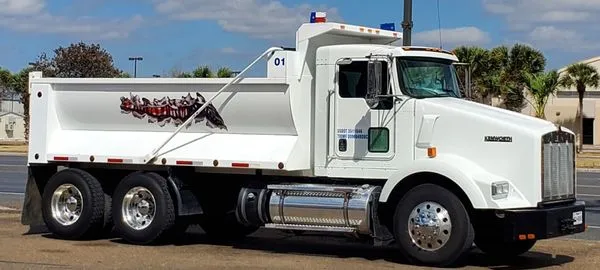
Garza Trucking is a Weslaco-based service dedicated to providing essential trucking and hauling solutions for local homeowners. A common challenge for residents is dealing with dead or bare patches in...

M & M Lawn Maintenance is your trusted, local partner for lawn care in Edinburg, TX. We understand the unique challenges Edinburg homeowners face, from overgrown shrubs that can harbor pests to sprink...
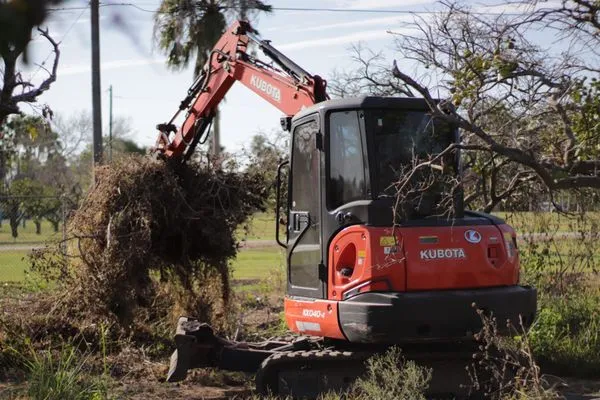
Ironwood Excavation is your trusted, licensed partner for excavation, demolition, and landscaping services across Los Fresnos and the Rio Grande Valley. We specialize in transforming properties, from ...

Valley Verde Lawn Care is a family-owned business in Donna, TX, dedicated to providing reliable and affordable lawn services and irrigation solutions. We focus on delivering pure satisfaction to our c...
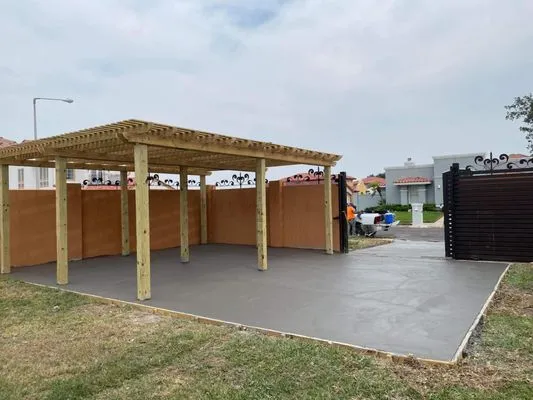
Platinum Builds is a trusted local contractor in Mercedes, TX, specializing in comprehensive landscaping and flooring solutions. We handle everything from garden design and irrigation systems to drive...
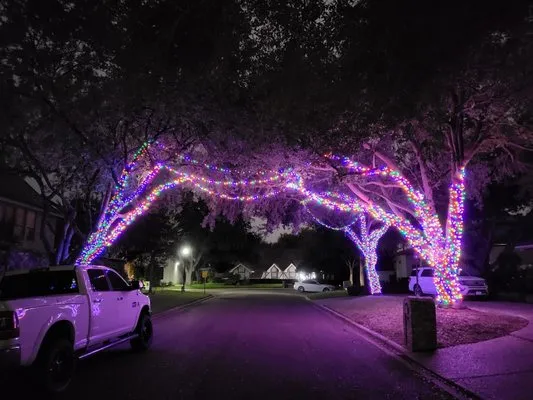
JD's Landscaping & Lawn Maintenance has been serving Edinburg homeowners and businesses since 1993, bringing over three decades of local experience to every project. We provide comprehensive landscapi...

Cornerstone Home & Commercial Services RGV
Cornerstone Home & Commercial Services RGV is a trusted, locally-owned company serving the San Benito community with over 40 years of combined experience. We provide a reliable, one-stop solution for ...
Carranza's Landscaping Services has been a trusted name in Edinburg and the Rio Grande Valley since 2004, growing from basic lawn maintenance into a full-service landscaping company. Founded on princi...
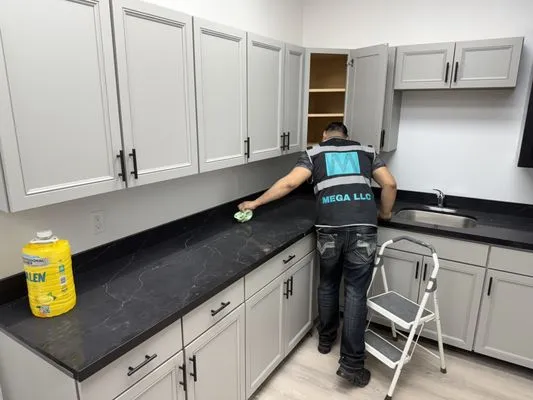
With over 15 years of proven experience, MEGA LLC is a trusted provider of professional cleaning and maintenance services for clients throughout the Rio Grande Valley, including Brownsville and San An...

Dave's Lawn Care is a trusted, locally-owned service dedicated to keeping San Benito lawns healthy and beautiful. We understand the common local challenges homeowners face, such as poor lawn grading t...
Estimated Landscaping Service Costs in Lyford, TX
Q&A
Is crushed limestone or wood better for a durable, fire-resistant patio?
Crushed limestone or stabilized decomposed granite are superior for longevity and fire safety. These inorganic materials do not decompose, warp, or attract pests like wood. They also contribute to a defensible space in Lyford's Moderate Wildland-Urban Interface rating by not providing combustible fuel. A properly installed and compacted limestone base creates a stable, permeable surface that lasts decades with minimal maintenance compared to wooden structures.
Why does my lawn in Lyford City Center have such hard, compacted soil that won't absorb water?
Homes built around 1984, like many in this neighborhood, sit on Willacy Fine Sandy Loam that has matured for over 40 years. This soil type, with a pH of 7.9, develops severe compaction and poor structure without intervention. The high shrink-swell clay content binds tightly, drastically reducing percolation. Annual core aeration and top-dressing with composted organic matter are essential to rebuild soil biology and permeability.
Do I need a permit to regrade my yard or install a dry creek bed?
Yes, significant grading or drainage work on a 0.25-acre lot often requires a permit from the Willacy County Building & Planning Department to ensure it doesn't adversely affect neighboring properties or public stormwater systems. Furthermore, contracting this work requires a licensed professional. The Texas Department of Licensing and Regulation (TDLR) oversees landscape contractors; always verify their license is current and includes coverage for excavation and irrigation.
If I have a storm-damaged tree after a weather event, what is your typical emergency response time?
For emergency cleanup to meet HOA or safety compliance, our dispatch from the Lyford High School Stadium area via US-77 allows a 20-30 minute arrival to most Lyford City Center properties during peak response windows. This routing prioritizes access to major arterials. We maintain an electric-powered fleet for quiet operations, ensuring work can proceed within standard municipal quiet hours from 10 PM to 7 AM if immediate hazard mitigation is required.
What invasive species should I watch for, and how do I control them safely?
Common invaders here include Bermudagrass encroachment into beds and opportunistic weeds like spurge. Manual removal is effective for small areas. For targeted chemical control, use herbicides labeled for the specific pest, applying during active growth periods and avoiding forecasted rain to prevent runoff. While local fertilizer ordinances are voluntary BMPs, responsible application timing protects groundwater. Always identify the plant correctly before treatment.
What are low-maintenance, drought-proof alternatives to my high-water lawn?
Transitioning to a climate-adaptive landscape with natives like Texas Sage, Lantana urticoides, and Gulf Muhly significantly reduces water, mowing, and chemical inputs. These deep-rooted plants support local pollinators and increase biodiversity. This shift also future-proofs your property against tightening noise ordinances, as electric equipment maintains these plantings quietly, and reduces the need for gas-powered blowers and frequent mowing.
My yard floods and then cracks. What is the cause and a lasting solution?
This is the classic shrink-swell behavior of your Willacy Fine Sandy Loam, which has very poor vertical drainage. Water pools on the surface, then the subsoil clay expands and contracts, causing cracks. Regrading to create positive drainage away from foundations is the first step. Using permeable materials like stabilized decomposed granite for patios or walkways increases surface infiltration and can help projects meet Willacy County runoff standards.
How can I keep my Tifway 419 Bermuda healthy under Stage 1 water conservation rules?
Smart Wi-Fi controllers with ET-based moisture sensors are the technical solution. These systems use real-time evapotranspiration data and soil probes to apply water only when and where the turf root zone requires it, eliminating wasteful schedules. This precision irrigation can reduce potable water use by 20-40% while maintaining turfgrass health, keeping you well within voluntary conservation guidelines and preventing stress during our hottest months.
