Top Landscaping Services in Lockhart, TX, 78644 | Compare & Call


Stars and Stripes Lawn Pros is a locally-owned landscaping company dedicated to maintaining beautiful, healthy outdoor spaces in Lockhart, TX. We specialize in comprehensive lawn care and landscape ma...
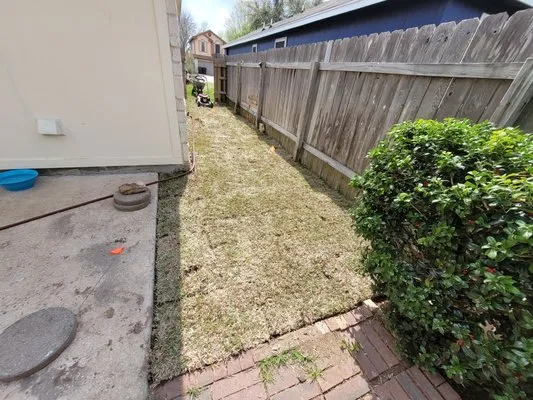
2nd Chance Landscaping And Lawncare is a trusted lawn service provider in Lockhart, TX, specializing in comprehensive lawn care solutions tailored to the local environment. We help Lockhart homeowners...
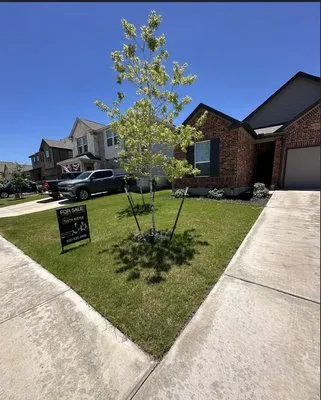
Hernandez's Landscaping is your trusted local partner for a healthier, more beautiful yard in Lockhart, TX. We specialize in comprehensive lawn and tree care, from routine maintenance to major project...
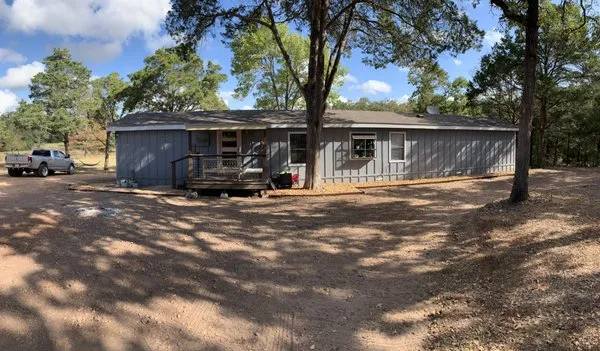
CM Landscape is a full-service landscaping company serving Lockhart, TX, and surrounding areas. We specialize in transforming outdoor spaces with comprehensive services including landscape design, con...
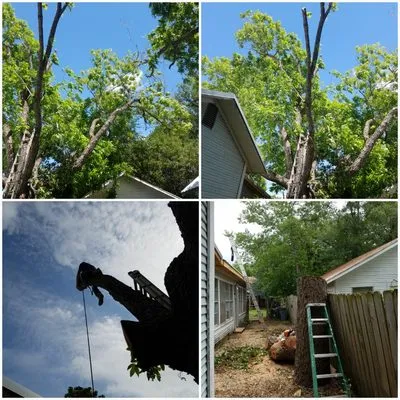
Cowboy Land Clearing and Cedar Removal is a family-owned and operated business serving Lockhart, TX, and the surrounding area. We specialize in transforming outdoor spaces with reliable tree services ...

CK Grading and Ranch Services is a family-owned and operated business in Lockhart, TX, founded in May by a husband-and-wife team with a combined 10 years of industry experience. Growing up working on ...
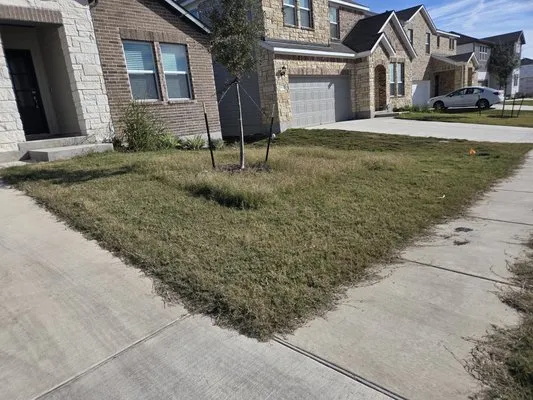
HCT M Navas Landscaping is a dedicated local landscaping company serving Lockhart, TX, and surrounding areas. We specialize in creating and maintaining beautiful, functional outdoor spaces for both ho...
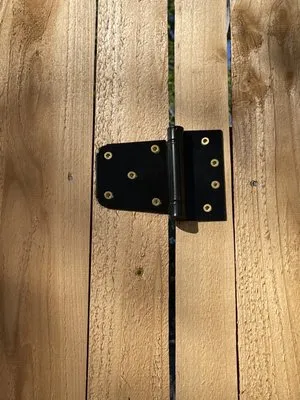
Roland Landscaping & Fence Building is a trusted, family-owned company serving the Lockhart community. We specialize in comprehensive landscape maintenance, expert tree care, and durable fence constru...
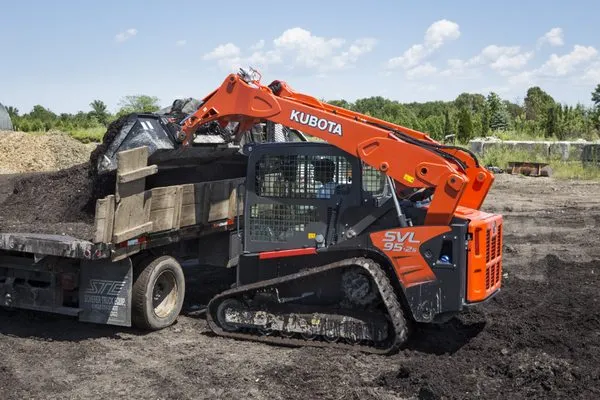
Hc Builds is a Lockhart-based company specializing in excavation, demolition, and landscaping services for residential and commercial clients. We focus on practical solutions for the local area, inclu...
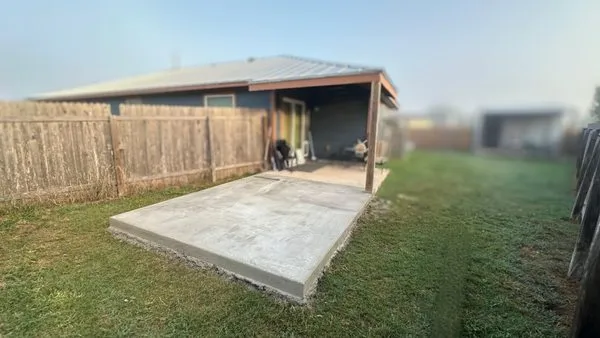
Jex Markhor Construction Services
Jex Markhor Construction Services is your trusted local partner for durable masonry, concrete, and landscaping solutions in Lockhart. We specialize in building and maintaining the structural and aesth...
Q&A
What should I do about the invasive grass and weeds taking over my flower beds?
In Lockhart, common invasive alerts include Bermudagrass encroachment and Dallisgrass. Safe removal requires a targeted, systemic herbicide applied at the correct growth stage, followed by manual extraction of root masses. All applications must comply with the Regional Stormwater Management Guidelines, which mandate phosphorus-free fertilizers and careful timing to protect watersheds. For ongoing prevention, a 3-inch layer of fresh, coarse mulch applied during the peak season (mid-February to March) suppresses weeds and conserves soil moisture.
What permits and licenses are needed to regrade my backyard?
Regrading a 0.22-acre lot in Lockhart often requires a permit from the City of Lockhart Planning and Development Department, especially if it alters water flow to adjacent properties. Crucially, the actual excavation and installation of any associated drainage or irrigation system must be performed by a contractor licensed by the Texas Department of Licensing and Regulation (TDLR). This ensures compliance with state laws for irrigators and protects you from liability. Always verify both city permits and state licenses before work begins.
Is Austin White Limestone a better choice than wood for a new patio?
For durability and fire resilience, limestone is superior. Permeable Austin White Limestone has an exceptional lifespan in our climate, resisting the rot, warping, and insect damage that plagues wood decks. From a Fire Wise perspective, its non-combustible nature is crucial for creating the defensible space required in Lockhart's Moderate Wildland-Urban Interface (WUI) zone. A properly installed limestone patio also addresses drainage concerns and adds permanent value without the ongoing maintenance of sealing or staining.
Why does my soil seem so dense and hard to work with here in the Historic District?
Your property's soil is approximately 43 years mature, established when the neighborhood was developed in the early 1980s. Lockhart sits on Blackland Prairie Clay, a soil type known for high shrink-swell potential and a naturally alkaline pH of 7.5-8.2. Over decades, foot traffic and standard maintenance have compacted the soil, severely reducing its vertical permeability and air space for roots. Correcting this requires annual core aeration and the incorporation of 3-4 inches of composted organic matter to improve soil structure and biological activity.
How quickly can you respond for an emergency tree cleanup after a storm?
Our emergency dispatch protocol for the Lockhart Historic District prioritizes a 20-30 minute peak response window. Crews are routed from the Caldwell County Courthouse area north via US-183, which provides direct arterial access to most neighborhoods. This rapid response is critical for HOA compliance issues involving storm debris blocking rights-of-way or creating immediate safety hazards. We maintain an electric-powered fleet of chippers and loaders to begin work immediately upon arrival, day or night.
I'm tired of weekly mowing. What's a lower-maintenance, native alternative?
Transitioning to a climate-adaptive xeriscape centered on native species drastically reduces water, mowing, and chemical inputs. For Zone 8b, a layered planting of Texas Sage, Flame Acanthus, Gulf Muhly, Black-eyed Susan, and a Mexican Plum tree creates year-round interest and critical habitat. This approach future-proofs your landscape against tightening water restrictions and evolving noise ordinances aimed at gas-powered blowers and mowers. The deep root systems of these natives also help mitigate soil shrink-swell.
How can I keep my St. Augustine grass alive on only two watering days a week?
Stage 2 water restrictions demand precise management. The solution is a Wi-Fi ET-based (evapotranspiration) irrigation controller, which automatically adjusts runtime based on local weather data, soil type, and plant needs. For Blackland Prairie Clay, this means programming for longer, less frequent cycles to encourage deep root growth and avoid runoff. This technology, when paired with proper aeration, allows St. Augustine or TifTuf Bermuda to survive and even thrive within the municipal allotment, conserving hundreds of gallons per cycle.
My yard floods and then cracks. What's the long-term solution for drainage here?
This cycle of ponding and deep cracks is the definitive sign of Blackland Prairie Clay's high shrink-swell potential. The primary failure is poor vertical permeability. A permanent solution involves regrading to create positive surface flow and installing a subsurface French drain system tied to a safe outlet. For any new patios or walkways, specify permeable Austin White Limestone set on a gravel base; this meets the City of Lockhart Planning Department's updated stormwater infiltration standards and reduces the burden on your property's drainage.
