Top Landscaping Services in Livingston, TX, 77351 | Compare & Call
There are 101 landscaping companies server in Livingston TX
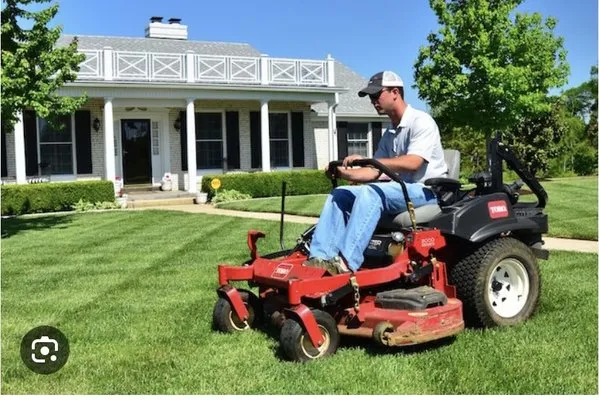
Cody's Lawns Service is a trusted local lawn care provider serving Huntsville, TX, specializing in comprehensive lawn maintenance to address common regional challenges. We focus on resolving sprinkler...
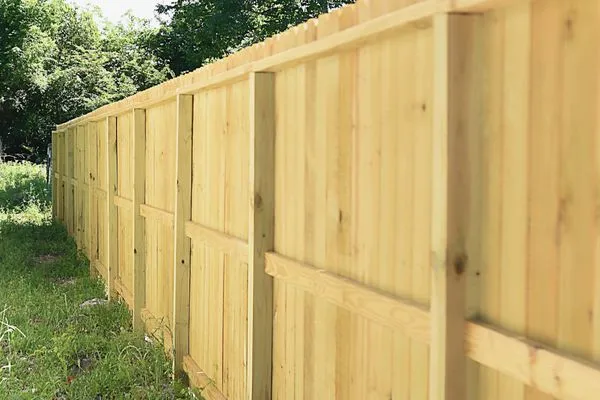
Huntsville Fence Company is a trusted local fencing contractor serving Huntsville, TX, and surrounding areas. With years of experience in the fencing business, we specialize in both residential and co...
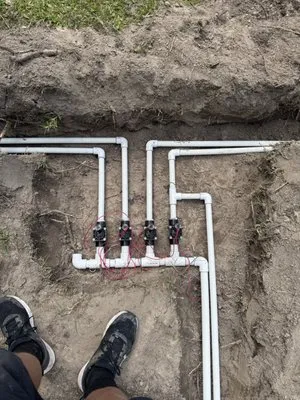
PLM Irrigation is a Huntsville-based irrigation specialist founded by Trey, whose hands-on experience in the landscaping industry began in 2009. From mowing to complex irrigation systems, Trey has bui...
Billy J Multi-Serv is a Huntsville-based lawn care provider offering reliable and affordable services for local homeowners. With a focus on practical solutions, we handle everything from basic mowing ...
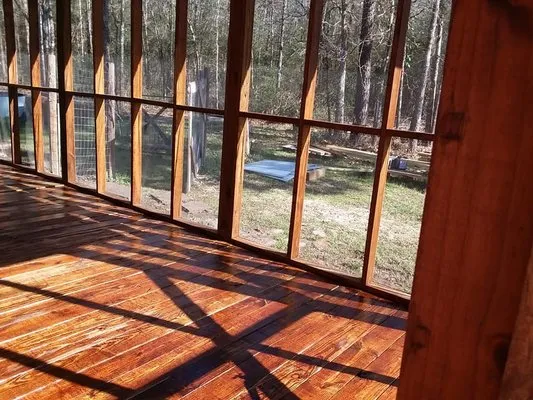
Lawn Squad & Hurlin Wood is your trusted local partner in Onalaska, TX, specializing in comprehensive landscaping, masonry/concrete, and deck services. We help homeowners tackle common area challenges...
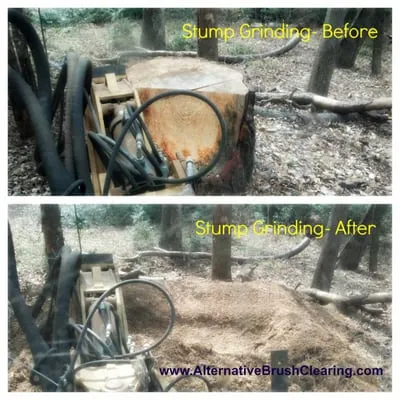
Alternative Brush Clearing, LLC is a family-owned and operated land clearing business based in Livingston, Texas, founded in 2009 by brothers Bryan and Chris Parrish. Starting with just a forestry mul...
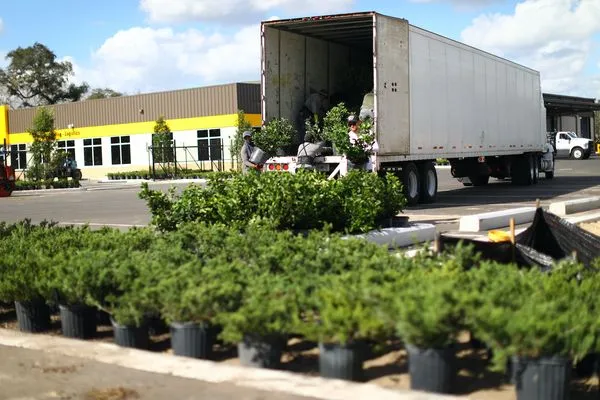
R & D Logistics & Landscaping is a Huntsville-based landscaping company that combines practical logistics with creative design to transform outdoor spaces. We specialize in comprehensive services from...

Integrity Professional Services
Integrity Professional Services is a Willis-based excavation, demolition, and landscaping company serving Montgomery County and surrounding areas. We specialize in transforming properties through comp...

WJH Farm & Mowing is a Veteran and First Responder owned business serving the Oakhurst community. We operate with a simple philosophy: treat every customer like family. Whether you're picking up farm-...
Cowboy Projects is a Huntsville-based service provider specializing in landscaping, auto detailing, and fence & gate solutions. We help local homeowners address common landscaping challenges like patc...
Estimated Landscaping Service Costs in Livingston, TX
Common Questions
What invasive species should I watch for, and how are they treated?
Common invasive alerts in this area include Chinese Tallow and Japanese Climbing Fern. Safe treatment involves manual removal or targeted, EPA-approved herbicide applications during the plant's active growth phase, always following state BMPs to prevent runoff into storm drains. Timing is critical to avoid local fertilizer ordinance blackout dates. A proactive monitoring and management plan prevents these species from outcompeting your desirable natives and turf.
My yard has standing water after rain. What's the solution?
Seasonal ponding is common in low-lying areas with our slow-permeability sandy loam soil. The primary fix involves regrading to create positive drainage away from foundations and installing a French drain system. For hardscape areas, using permeable materials like crushed granite or local sandstone allows water infiltration, helping projects meet City of Livingston Planning & Zoning standards for stormwater runoff management and reducing localized flooding.
Why does my yard have such poor soil quality?
Livingston's Downtown lots were primarily developed in the 1970s, giving the soil over 50 years to mature. The prevalent acidic sandy loam naturally compacts over decades, especially under routine mowing and foot traffic. This leads to reduced percolation and low organic matter, creating a dense layer that restricts root growth. Core aeration and incorporating 2-3 inches of composted organic matter are necessary to rebuild soil structure and fertility for healthy turf and planting beds.
How fast can you respond to an emergency like a storm-damaged tree?
For urgent HOA compliance or safety issues, our electric fleet allows immediate dispatch from our base near Pedigo Park. We route via US Highway 59 / I-69 to reach most Downtown Livingston addresses within the 20-30 minute window critical for peak storm response. This efficiency is enhanced by vehicles that meet daytime noise ordinances, permitting work to begin promptly during standard operational hours from 7:00 AM.
What permits and licenses are needed for a major landscaping project?
Any significant grading, drainage alteration, or structural work on a 0.35-acre lot typically requires a permit from the City of Livingston Planning & Zoning Department. Furthermore, the contractor must hold appropriate licensing through the Texas Department of Licensing and Regulation (TDLR). This ensures compliance with state BMPs for erosion control and fertilizer use, protects you from liability, and guarantees the work meets all local codes for safety and environmental protection.
How do I keep my lawn green under water restrictions?
Under Stage 1 voluntary conservation, precise watering is key. Wi-Fi ET-based weather-sensing controllers adjust schedules using real-time evapotranspiration data, applying water only when needed. For St. Augustine or Bermuda grass, this typically means 1-1.5 inches per week, delivered in early morning cycles to minimize evaporation. This technology maintains turf health while ensuring you operate well within municipal water use guidelines, even during summer heat.
What's a lower-maintenance alternative to my thirsty lawn?
Transitioning to a climate-adaptive xeriscape with native plants significantly reduces water, mowing, and chemical inputs. Species like American Beautyberry, Yaupon Holly, and Turk's Cap are evolved for Zone 8b and our acidic soil, requiring minimal irrigation once established. This shift also future-proofs your property against tightening noise ordinances, as it eliminates the need for gas-powered blowers and frequent mowing, aligning with 2026 biodiversity and conservation standards.
Is crushed granite or sandstone better for a patio than wood?
For longevity and fire resilience, inorganic materials like local sandstone or crushed granite are superior to wood. They are non-combustible, which is a key component for maintaining the defensible space required in our Moderate (WUI Zone 2) fire risk rating. These materials also withstand our humidity and temperature swings without rotting, warping, or requiring chemical treatments, providing a durable, low-maintenance surface that integrates well with the native landscape.
