Top Landscaping Services in Live Oak, TX, 78148 | Compare & Call
There are 190 landscaping companies server in Live Oak TX
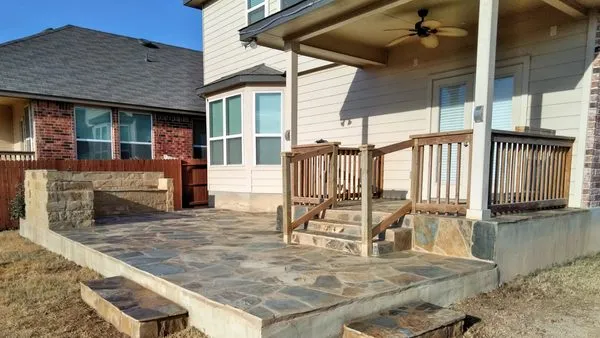
With over 18 years of professional landscaping experience, I founded Genesaret Landscape in 2016 to help Converse residents build and maintain beautiful, functional outdoor spaces. My journey began wi...
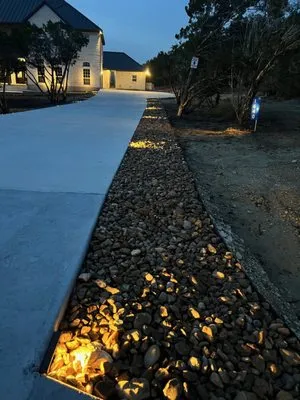
B&V Landscaping is a San Antonio-based landscaping company serving the Alamo City and surrounding counties. We specialize in comprehensive outdoor solutions including earthmoving, driveway and patio c...
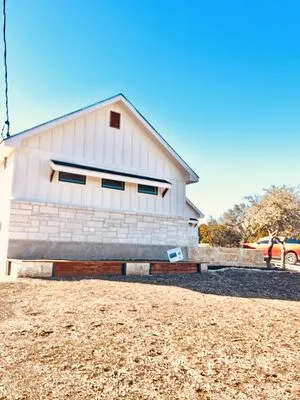
Joe Knows Land Clearing and Landscape is a trusted local contractor serving the Canyon Lake community and the greater Texas Hill Country. With roots in home construction since 2015, the business grew ...

Lando's Lawn Care, a family-owned business established in 2021 by owner Orlando Ramon, is your local Seguin partner for a healthy, beautiful property. With over a decade of hands-on experience, Orland...

Paniagua Pressure Washing is a trusted San Antonio lawn and pressure washing service dedicated to helping local homeowners tackle common landscaping challenges. We understand that the unique Texas cli...
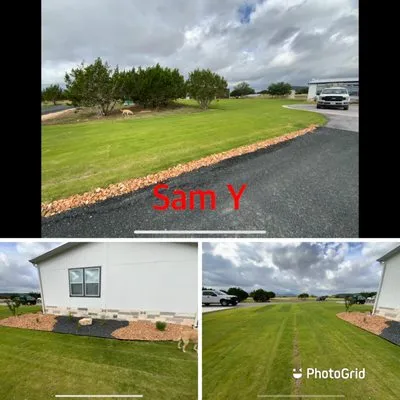
TX Design Landscapers has been serving the Bandera, TX community since 2003, providing comprehensive landscaping solutions for both residential and commercial properties throughout the Texas Hill Coun...
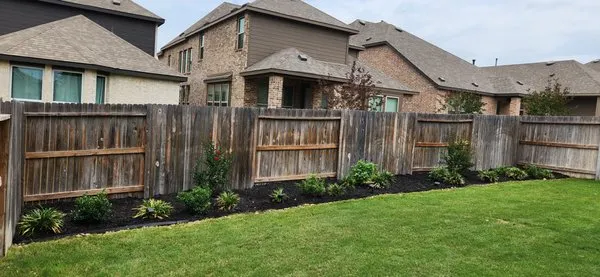
Founded by Josue and Paola, Velazquez Lawn Service began by filling a clear need for reliable, high-quality, and affordable landscaping in the Northeast San Antonio area. They built their reputation i...
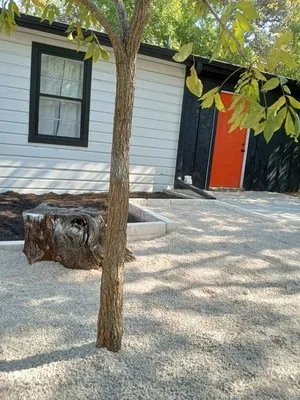
For over 17 years, Marin Construction has been a trusted name for Austin homeowners seeking durable and beautiful hardscapes and landscapes. Our deep specialization in stone work and masonry forms the...
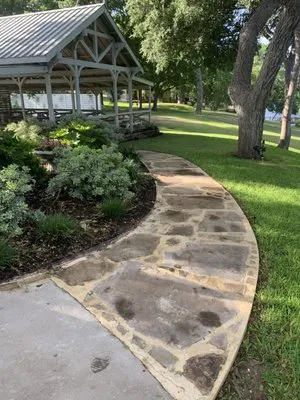
D K Landscaping
D K Landscaping is a full-service landscaping and tree care company serving New Braunfels, TX. We specialize in comprehensive solutions including landscape design, construction, irrigation systems, an...
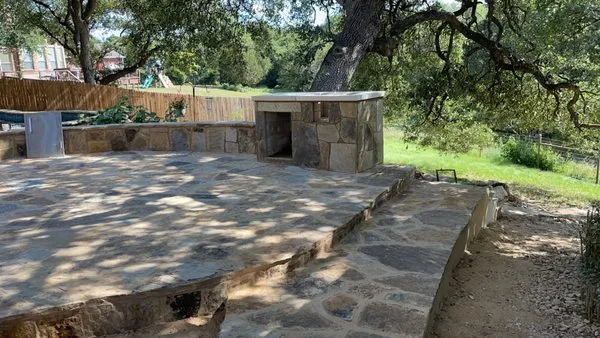
Frank's Landscaping Company is a family-owned business serving New Braunfels, TX, with over 16 years of hands-on experience in landscaping, masonry, and tree care. Founded by Francisco 'Frank' Ochoa a...
Estimated Landscaping Service Costs in Live Oak, TX
Questions and Answers
Our Live Oak Estates yard has been struggling since we moved in - what's the history of our soil that might explain this?
Live Oak Estates lots developed around 1992 have 34-year-old soil profiles dominated by Houston Black Clay. This alkaline soil (pH 7.9-8.2) naturally compacts over decades, reducing permeability to 0.06 inches per hour. The clay's shrink-swell behavior creates surface cracks while subsurface layers remain impermeable. Annual core aeration with 3-4 inch depth penetration and organic amendments like composted pine bark can improve soil structure within two growing seasons.
We need emergency storm cleanup before our HOA inspection tomorrow - how quickly can you respond?
Our electric maintenance fleet can dispatch from Live Oak City Park via I-35 within 20-30 minutes during peak response windows. The route avoids residential noise ordinance restrictions (10 PM-7 AM) while providing efficient access to Live Oak Estates. We prioritize HOA compliance situations with same-day debris removal using battery-powered equipment that meets all local noise regulations during daytime operations.
Should we use wood or stone for our new patio considering fire safety concerns?
Crushed limestone or permeable concrete provides superior fire resistance compared to wood, important in Moderate WUI Interface zones. These materials maintain defensible space requirements while offering 25+ year durability versus wood's 8-12 year lifespan with maintenance. The non-combustible nature meets Fire Wise guidelines, and proper installation creates effective firebreaks without compromising drainage in clay soil conditions.
What permits and licenses are needed for grading our 0.22 acre property?
Grading projects exceeding 50 cubic yards of earth movement require permits from Live Oak Development Services Department. Texas Department of Licensing and Regulation mandates irrigation contractors hold LI# licenses, while landscape architects need LA# certification. Professional engineering stamps may be necessary for drainage modifications affecting adjacent properties. These requirements ensure proper water management on clay soils prone to subsidence and erosion issues.
How do we keep our St. Augustine grass healthy under Stage 2 water restrictions?
Wi-Fi ET-based weather sensing irrigation systems automatically adjust watering schedules using real-time evapotranspiration data. These systems reduce water use 30-40% while maintaining Palmetto St. Augustine's 1.5 inch weekly requirement. Programming follows municipal watering windows precisely, avoiding runoff during clay soil's slow percolation periods. The technology prevents overwatering that leads to fungal issues in our humid climate.
Water pools in our yard after every rain - what drainage solutions work with Houston Black Clay?
Houston Black Clay's high shrink-swell coefficient creates natural ponding areas as soil expands. Permeable concrete or crushed limestone hardscapes provide 0.35-0.45 inch per hour infiltration rates, meeting Live Oak Development Services Department runoff standards. French drains with clean gravel and geotextile fabric, installed 18-24 inches deep, redirect subsurface water while amended planting beds with 30% organic matter improve surface absorption.
We've spotted invasive species in our yard - how do we treat them safely?
Common invasives like Chinese Tallow and Bermuda grass require targeted treatment during active growth phases. Spot applications of glyphosate-based herbicides in early morning hours avoid drift, following SAWS phosphorus-free guidelines. Mechanical removal before seed set prevents spread, while soil testing ensures any amendments don't violate local fertilizer blackout dates. Regular monitoring catches new infestations before they establish.
What alternatives exist for reducing lawn maintenance while following new regulations?
Transitioning 40-60% of turf to native plantings like Texas Sage, Flame Acanthus, and Gulf Muhly reduces mowing frequency from weekly to seasonal. These deep-rooted natives require minimal irrigation once established and eliminate gas-powered blower use during restricted hours. The conversion creates habitat corridors supporting local pollinators while decreasing water consumption 50-70% compared to traditional St. Augustine lawns.
