Top Landscaping Services in Lakeside, TX, 76108 | Compare & Call
There are 197 landscaping companies server in Lakeside TX

Blackhawk Landscaping Services
Blackhawk Landscaping Services in Hudson Oaks, TX is led by Caleb Prescott, a 29-year-old veteran who served six years in the United States Army, including a tour in Afghanistan in 2014. After being m...

Best Deal S & Dirt & Gravel is a locally owned and operated landscaping business serving Springtown, TX, and surrounding Parker, Tarrant, and Wise Counties since 1989. Licensed and insured, we special...
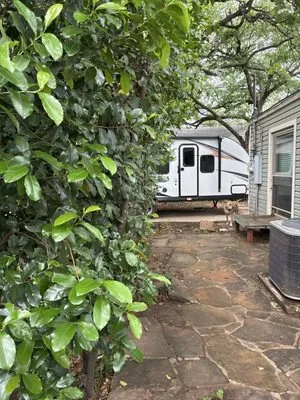
Kutters Landscaping is a full-service landscaping company serving Aledo, TX, specializing in comprehensive solutions for residential properties. We help local homeowners tackle common landscaping chal...
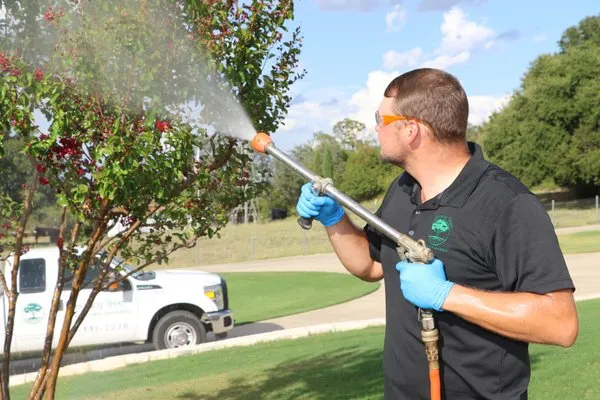
Legacy Tree & Landscape Specialists is a family-owned business serving Aledo, TX since 1978, now operated by Megan and Dylan Day. We provide comprehensive tree, shrub, and lawn care with specialized e...
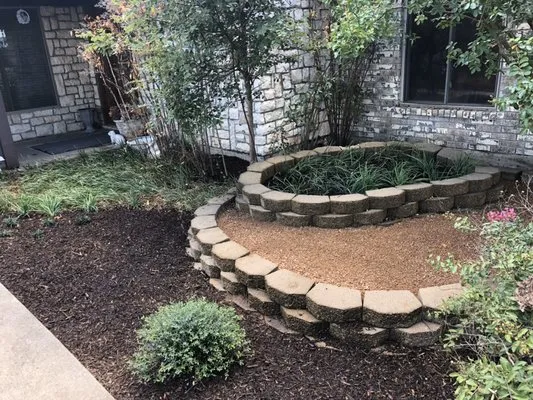
Chief Landscaping and Irrigation Solutions
Chief Landscaping and Irrigation Solutions is a Weatherford-based company specializing in comprehensive landscaping and irrigation services for local homeowners. We address common local issues like pe...
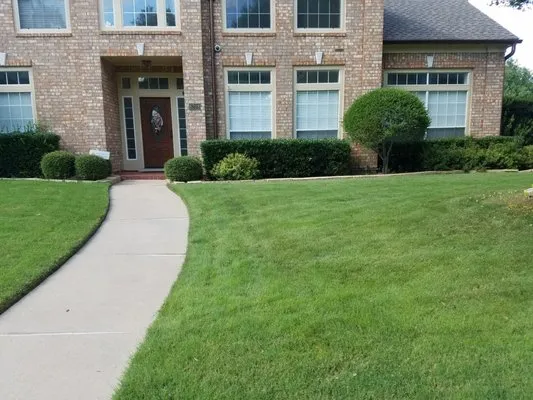
Anointed Lawncare The Weed Killers is a family-owned lawn care and pest control service based in Newark, TX, serving the Fort Worth area since 2011. Founded on Christian values, the company specialize...

J&K Yard Services is a family-owned and operated business in Azle, TX, built on a lifelong passion for yard work. What started as a childhood hobby—pushing a mower as soon as I was tall enough—grew in...
For over 47 years, Burks Irrigation & Landscape has been a trusted, family-operated business in Fort Worth, TX. Founded by Jack Burks, the company initially specialized in irrigation and drainage syst...

Greenhaven Landscaping is a Fort Worth-based landscaping company serving both residential and commercial clients. We specialize in comprehensive landscape solutions, including irrigation design and re...

North Texas Landscaping
North Texas Landscaping is a Fort Worth-based company providing comprehensive landscaping, irrigation, and tree care services for both residential and commercial properties throughout the DFW area. We...
Estimated Landscaping Service Costs in Lakeside, TX
Q&A
My yard's soil seems rock-hard and water just pools on top. Why is this happening in Lakeside Estates?
Lakeside Estates lots were developed around 1975, giving the San Saba Clay soil over 50 years to compact without significant organic input. This soil type naturally has a high pH of 7.9-8.2 and low permeability. Over decades, routine foot traffic and mowing have further degraded soil structure, reducing pore space for water and roots. Core aeration and incorporating composted organic matter are critical first steps to rebuild soil biology and improve water infiltration.
We want to regrade our yard for better drainage. What permits and contractor qualifications are needed?
Significant regrading on a 0.35-acre lot typically requires a permit from the Lakeside Building Inspection Department to ensure engineered plans control erosion and runoff. The contractor must hold a required license from the Texas Department of Licensing and Regulation (TDLR), often as a Landscape Architect or Irrigator, depending on scope. This ensures the work meets structural and environmental codes, protecting your property and adjacent lots from unintended water damage.
Is Austin Chalk Limestone a better choice than wood for a new garden patio?
For durability and fire resilience, limestone is superior. Permeable Austin Chalk Limestone has a lifespan measured in decades, unaffected by moisture and rot. In Lakeside's Moderate (WUI Zone 2) fire risk area, non-combustible hardscape materials like stone are recommended for creating defensible space. A properly installed limestone patio also manages runoff more effectively than wood or solid concrete, addressing our primary drainage hazard.
How can I keep my TifTuf Bermuda green during Stage 1 water restrictions without wasting water?
Wi-Fi ET-based weather-sensing controllers are the precise tool for this. They adjust irrigation runtimes daily based on local evapotranspiration data, rainfall, and temperature. For TifTuf Bermuda, this means applying water only when the turfgrass actually needs it, often reducing usage by 20-30% compared to a fixed schedule. This technology is the most effective method for maintaining turf health while adhering to Lakeside's voluntary conservation standards.
I've spotted invasive Bermuda grass in my native flower bed. What's the safest removal method?
Invasive Bermuda grass requires persistent physical removal, digging out the entire rhizome network. Spot-treatment with a selective, non-residual herbicide labeled for grassy weeds can be used as a last resort, but application must avoid impervious surfaces to comply with the local fertilizer and chemical ordinance. The best defense is establishing a dense, healthy stand of natives like Purple Coneflower and Little Bluestem to outcompete future invaders.
We have an HOA inspection tomorrow for overgrown vegetation. Can you handle an emergency cleanup?
A rapid compliance crew can be dispatched. From the Lakeside City Hall depot, the route west on TX-199 provides direct access to Lakeside Estates. Accounting for typical mid-morning traffic, the estimated arrival window is 25 to 35 minutes. Crews operate electric blowers and mowers compliant with the local noise ordinance, allowing work to begin promptly after 7:00 AM to meet your deadline.
Our patio area floods after every rain. What's a long-term solution for this heavy clay soil?
The expansive shrink-swell nature of San Saba Clay creates high runoff. The solution involves redirecting water and increasing ground absorption. Replacing solid concrete with permeable Austin Chalk Limestone for patios or walkways allows water to percolate into a gravel base below, reducing surface flow. This approach often meets the Lakeside Building Inspection Department's updated standards for onsite stormwater management and mitigates foundation risks.
I'm tired of weekly mowing and gas blower noise. Are there lower-maintenance options?
Transitioning to a climate-adaptive landscape with native species drastically reduces maintenance. Planting Texas Sage, Flame Acanthus, and Lindheimer's Muhly creates a resilient, biodiverse habitat that requires minimal water and no weekly mowing. This shift aligns with evolving noise ordinances restricting gas-powered equipment and prepares your property for future electric fleet standards, while providing year-round visual interest.
