Top Landscaping Services in La Vernia, TX, 78121 | Compare & Call
There are 200 landscaping companies server in La Vernia TX
Adkins Mowing Company is a family-owned San Antonio landscaping service founded by U.S. Air Force veteran Dominique Adkins. Operating with a mission of ""Quality over Quantity,"" the company treats ev...
Green Barber Landscaping is a locally owned and operated business in San Antonio, TX, with over 20 years of experience providing reliable tree services, landscaping, and junk removal. We take pride in...
Priority 1 Lawn Care LLC is your local, Adkins-based partner for a healthier, more attractive lawn. As a locally owned and operated business, we know firsthand the common frustrations homeowners in ou...
Q A Landscaping and Pressure Washing
Q A Landscaping and Pressure Washing specializes in transforming Luling properties through comprehensive cleanup and restoration. We handle everything from overgrown land clearing and structural demol...
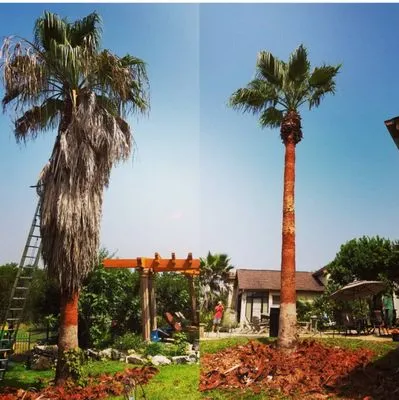
Lone Oak Tree Care is a New Braunfels-based tree service and landscaping company led by a certified arborist with over 15 years of experience. We specialize in comprehensive tree care, including pruni...

Ocotillo Irrigation is an Austin-based irrigation and landscaping service founded by Shaun McBroom, who brings over a decade of experience in efficient water management. Shaun's background began on a ...
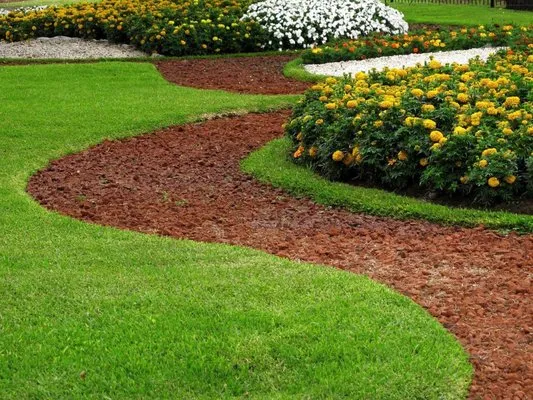
Hidden Lake Services is your trusted local partner for lawn and tree care in McQueeney, Texas. We specialize in comprehensive property maintenance, from routine lawn care and disease management to exp...
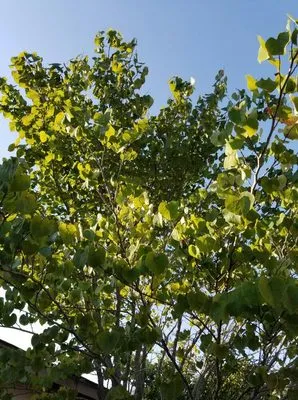
The Other Branch is a family-owned tree, gutter, and landscaping service based in San Antonio, founded in 2018 by husband-and-wife team Erik and his spouse. After five years working with Erik's brothe...
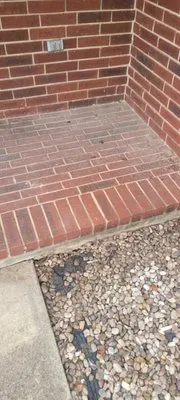
JMZ Pressure Washing is a trusted San Antonio provider specializing in professional lawn care and pressure washing services. We understand the local challenges homeowners face, from landscape edging d...
BS Outlawz is a San Antonio-based company dedicated to handling the tasks you don't have time for. We specialize in a comprehensive range of home and yard services, from deep cleaning and junk removal...
Estimated Landscaping Service Costs in La Vernia, TX
Questions and Answers
What's your fastest response for an urgent HOA compliance notice or storm debris cleanup?
Our emergency cleanup protocol prioritizes routes from La Vernia City Park via US-87 for a 20-30 minute dispatch during peak hours. Crews are equipped with electric-powered chippers and trailers to comply with noise ordinances while handling debris. This efficiency allows for immediate site assessment and rapid mitigation to meet HOA vegetation management deadlines following storm events.
Our yard holds water and the soil cracks when dry. What's the fix?
This is classic shrink-swell behavior of Heiden-Sunev clay. Effective drainage requires subsurface solutions like French drains or dry creek beds to move water away from foundations. For hardscapes, specify permeable crushed limestone bases; this material meets City of La Vernia Planning and Zoning standards for stormwater management by allowing infiltration, reducing runoff, and mitigating the cycle of saturation and cracking.
What invasive species should we watch for, and how do we treat them safely?
Primary alerts are Bermudagrass encroachment into planting beds and potential Johnsongrass. Manual removal is most effective for small infestations. For chemical control, use targeted, phosphorus-free herbicides applied by a licensed professional, strictly adhering to the local Best Management Practices calendar to avoid prohibited application blackout dates. This prevents runoff violations and protects the native soil microbiome.
What permits and licenses are needed for regrading or adding a retaining wall?
Any significant grading or structural wall on a 0.35-acre lot requires a permit from the City of La Vernia Planning and Zoning Department to ensure proper drainage and adherence to setback rules. The contractor must hold an active license from the Texas Department of Licensing and Regulation (TDLR). This is critical for work that alters water flow, as improper grading can create liability by affecting neighboring properties.
We're tired of weekly mowing and gas-powered blowers. Are there lower-maintenance options?
Transitioning perimeter zones to a xeriscape of Texas Sage, Flame Acanthus, and Gulf Muhly significantly reduces mowing and eliminates blowing. These natives require minimal water once established and provide year-round habitat. This shift aligns with evolving noise ordinances targeting gas equipment and creates a resilient, biodiverse landscape that outperforms turf during heat and drought periods common in Zone 8b.
Is crushed limestone a better choice than wood for patios and pathways?
For longevity and fire resilience, permeable crushed limestone is superior. It does not rot, warp, or attract termites, and its light color reduces heat island effect. In La Vernia's Moderate (WUI Zone 2) fire risk rating, non-combustible hardscapes like limestone contribute to defensible space. Its permeability also directly addresses the drainage requirements of high-clay soils, making it a multifunctional infrastructure choice.
Why does our soil seem so hard and dense here, even with regular watering?
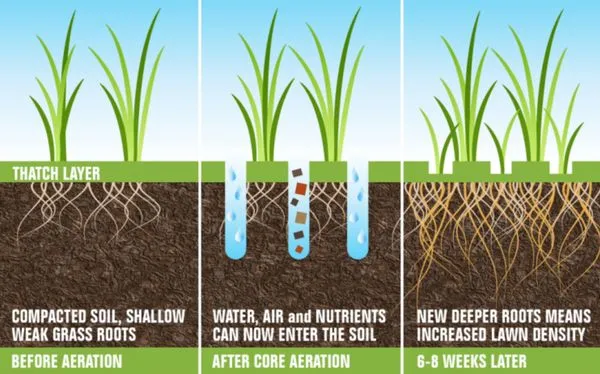
La Vernia City Center lots are typically built on Heiden-Sunev clay, a high-pH (7.9-8.2) soil that compacts over time. Given the average 1996 home construction, this soil profile is now 30 years old, resulting in significant loss of organic matter and permeability. The primary solution is not more water but core aeration in spring and fall to relieve compaction, followed by top-dressing with compost to lower pH and improve structure for root growth.
How can we maintain a healthy lawn under Stage 1 water restrictions?
Modern Wi-Fi ET-based weather-sensing controllers are calibrated for La Vernia's climate and soil. They adjust irrigation schedules in real-time using evapotranspiration data, applying water only when the TifTuf Bermuda or St. Augustine turf truly needs it. This technology typically reduces water use by 20-30% while maintaining turf health, keeping you well within voluntary conservation guidelines and preventing overwatering that exacerbates clay expansion.
