Top Landscaping Services in Justin, TX, 76247 | Compare & Call
There are 189 landscaping companies server in Justin TX

Apex Outdoor Solutions is a locally owned and operated Keller business founded on a simple principle: providing reliable, professional outdoor services at a fair price. As a local husband and father, ...
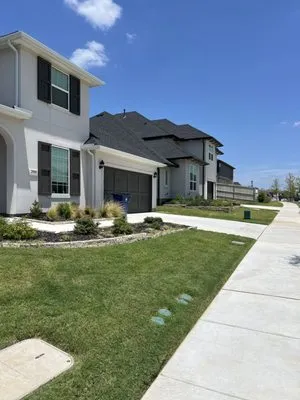
Hope Lawns of Northlake is a dedicated local lawn care company serving Northlake, TX, and the surrounding communities of Argyle, Justin, North Roanoke, and Southwest Denton. We focus on providing reli...
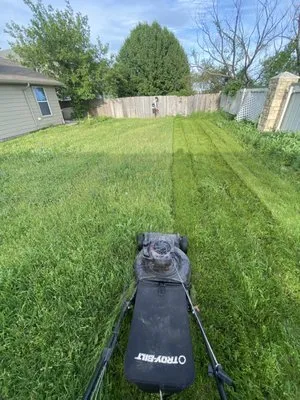
Green Life Landscaping is a dedicated lawn service provider in Rhome, TX, focused on enhancing and maintaining the natural beauty of your property. We believe that a healthy, vibrant lawn is the found...
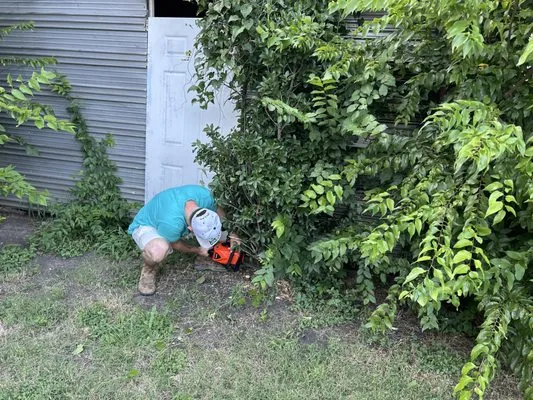
Wright Pro Way was born from a lifelong passion for hands-on work and building. For founder Wright, this isn't just a business—it's a lifestyle cultivated since childhood, watching and learning from s...

20th Century Landscaping is a Grapevine-based company providing comprehensive outdoor solutions for residential and commercial properties. We specialize in irrigation systems, lawn care, and tree serv...
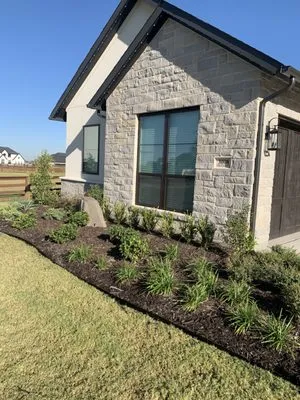
Nathan's Lawn Care is a locally owned and operated lawn service company based in Argyle, TX, founded by Nathan, a firefighter who brings the same dedication and reliability from his profession to your...
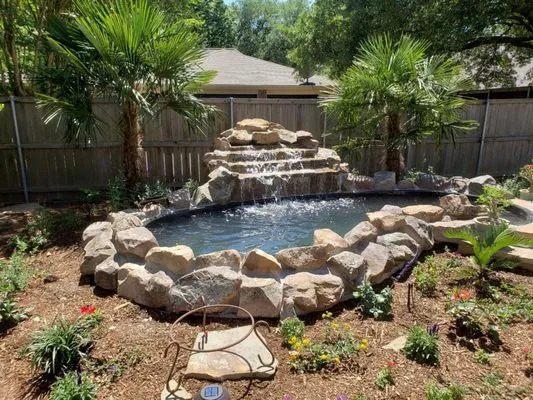
Paradise Pools and Outdoor Living
Paradise Pools and Outdoor Living is a family-owned business in Frisco, TX, with deep roots in transforming backyards into beautiful, functional spaces. Since 1972, we've specialized in pool construct...

Bony Landscape Maintenance is a Dallas-based landscaping, tree service, and masonry/concrete company serving homeowners and businesses across North Texas. With expertise ranging from earthmoving and i...

H&M Landscaping is a full-service landscaping company serving Fort Worth, TX. We specialize in both the design and construction of beautiful, functional outdoor spaces, from patios and retaining walls...
Estimated Landscaping Service Costs in Justin, TX
Q&A
Our Old Town Justin home is nearly 20 years old. Why does our yard still struggle, and how does the soil history affect our landscape?
Homes built in the 2007 era, like many in this neighborhood, were constructed on minimally amended native San Saba clay. With nearly two decades of soil maturation, this clay has likely become heavily compacted from standard maintenance. The high pH (7.9-8.2) further locks up essential nutrients like iron and phosphorus, limiting plant vitality. A professional soil test is the first step, followed by core aeration and deep incorporation of composted organic matter to improve soil structure and nutrient availability for the long term.
We have a storm-damaged tree and an HOA deadline. What's the fastest way to get an emergency cleanup crew to our property?
For urgent HOA compliance or storm response, crews can dispatch from central staging near Justin City Hall. The primary route utilizes State Highway 114 for efficient access to Old Town Justin, with a target arrival window of 20-30 minutes during peak response scenarios. The crew arrives with electric-powered chippers and blowers to comply with local noise ordinances, ensuring immediate debris removal and hazard mitigation to meet your deadline.
Is crushed limestone a better choice than wood for a new patio, considering durability and fire safety?
Permeable crushed limestone is a superior choice for both longevity and fire-wise planning. Unlike wood, it does not decompose, warp, or require chemical treatments, and its light color reduces heat island effect. For the Moderate (WUI Zone 2) fire risk rating in Justin, non-combustible hardscape materials like limestone are critical for creating defensible space. It provides a stable, low-maintenance surface that complements the local aesthetic while enhancing property resilience.
Our yard pools water after every rain. What's a lasting solution for drainage in Justin's clay soil?
High runoff is a direct result of low permeability in San Saba clay. A functional solution combines regrading to direct surface flow away from foundations with the installation of French drains or dry creek beds. For hardscape areas, specifying permeable crushed limestone allows water to infiltrate rather than sheet off, which can help projects meet the Justin Planning & Development Department's stormwater management standards. These strategies work in concert to mitigate erosion and waterlogging.
Do we need a permit to regrade our backyard, and what should we verify about a contractor's credentials?
Regrading that alters drainage patterns or involves significant cut/fill on a 0.25-acre lot typically requires review by the Justin Planning & Development Department to ensure compliance with erosion control and runoff standards. Always verify that your contractor holds the required license from the Texas Department of Licensing and Regulation (TDLR) for landscaping irrigation or excavation work. This licensing confirms they are bonded, insured, and knowledgeable about state and local codes, protecting your investment.
With Stage 1 water restrictions, how can we keep our TifTuf Bermuda healthy without wasting water?
Wi-Fi ET-based irrigation controllers are the precise tool for this climate. They automatically adjust runtime by calculating daily evapotranspiration (ET) rates using local weather data, applying water only when the turf needs it. This system can reduce water use by 20-30% compared to standard timers, keeping TifTuf Bermuda in peak condition while adhering to voluntary conservation measures. Properly calibrated, it prevents the overwatering that exacerbates runoff on expansive clay soils.
We see invasive grasses and weeds. How do we treat them without harming the environment or breaking local rules?
Common invasive alerts for Zone 8b include Bermudagrass encroachment and noxious weeds like nutsedge. Effective control starts with proper identification, followed by targeted, spot-applied herbicides when the plant is actively growing, strictly avoiding impervious surfaces to comply with the phosphorus fertilizer ordinance. For long-term health, promoting dense growth of desired turf or natives through proper soil nutrition and aeration is the best defense, reducing space for invaders.
We want to reduce mowing and maintenance. What are the best native plants for a low-input, resilient landscape?
Transitioning to a xeriscape anchored by natives like Texas Sage, Flame Acanthus, and Little Bluestem drastically reduces water, mowing, and chemical inputs. These plants are adapted to local pH, climate, and pests, forming a self-sustaining ecosystem. This shift also future-proofs your property against evolving regulations, such as potential restrictions on gas-powered blowers under the 10 PM-7 AM noise ordinance, as native beds require less frequent, less disruptive maintenance.
