Top Landscaping Services in Hutchins, TX, 75134 | Compare & Call

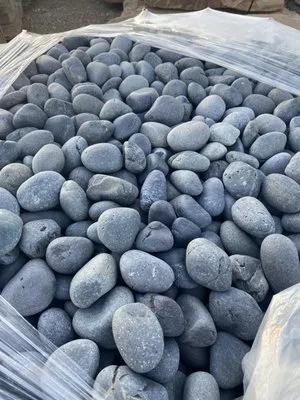
Stone Depot of Texas is a trusted supplier for the building and landscaping community in Hutchins and the surrounding Dallas-Fort Worth area. We provide a comprehensive selection of full-depth natural...
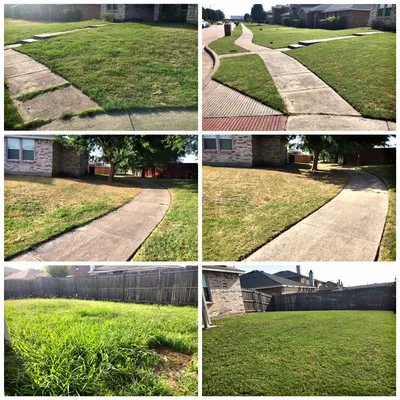
Radius Lawn Care is a locally owned and operated lawn service business in Hutchins, TX, founded by a dedicated father who started the company to build a better future for his family. After years in un...
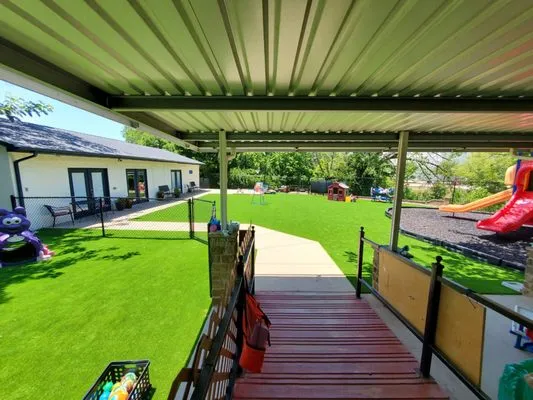
Lone Star Paradise Pros is your Hutchins, TX expert for creating and maintaining beautiful, low-maintenance lawns. We understand the common local issues of sprinkler coverage gaps and dead grass spots...

Weed Man Lawn Care in Hutchins, TX, is a local lawn services and pest control provider dedicated to helping homeowners maintain healthy, beautiful yards. We specialize in addressing common local lands...
Common Questions
Is crushed limestone a good choice for a patio compared to wood decking?
For durability and fire resilience in Hutchins, crushed limestone is superior. It provides a stable, permeable surface that withstands our climate's freeze-thaw cycles and soil movement far better than wood. Furthermore, it creates a critical non-combustible perimeter as recommended for a 'Moderate' Fire Wise rating. This inorganic material requires no sealing or staining, offering long-term performance with minimal maintenance compared to organic wood options.
Is it possible to keep my TifTuf Bermuda lawn healthy under Stage 1 water conservation?
Absolutely. Using Wi-Fi ET-based weather-sensing irrigation is the key. This technology schedules watering based on real-time evapotranspiration data, applying water only when the turf needs it and never during restricted hours. This precise approach can reduce water use by up to 30% compared to traditional timers, keeping your Bermuda resilient while fully complying with voluntary conservation measures. It eliminates wasteful runoff on our clay soils.
Why does my soil in Hutchins City Center feel so dense and hard to work with?
Your lot was likely developed around 1996, giving the soil about 30 years to mature since initial grading. The prevalent Houston Black Clay (pH 7.9-8.2) naturally compacts over time, especially under the weight of construction equipment. This aging process has reduced soil percolation, creating a dense, impermeable layer. Core aeration and the addition of organic compost are necessary to improve structure, water infiltration, and root penetration for healthy plant growth.
How quickly can you respond for an emergency tree cleanup after a storm?
Our electric response fleet, designed for quiet operation within local noise ordinances, can typically mobilize from Hutchins City Hall within 30 minutes during peak conditions. We route via I-45 for the most efficient access to Hutchins City Center neighborhoods. This rapid dispatch is critical for clearing hazardous limbs or debris to ensure safety and HOA compliance following severe weather events.
Do I need a permit to regrade my yard, and what kind of contractor should I hire?
Yes, significant regrading on a 0.22-acre lot typically requires a permit from the Hutchins Planning & Zoning Department to ensure proper drainage and compliance with city codes. You must hire a contractor licensed by the Texas Department of Licensing and Regulation (TDLR) for earthmoving and irrigation work. This licensing ensures they understand local soil dynamics, like our expansive clay, and are bonded to perform the work correctly, protecting your property's value and function.
My yard floods and then cracks. What's the best solution for drainage here?
This is the classic shrink-swell behavior of Houston Black Clay, which has very poor vertical drainage. The solution involves creating positive surface flow away from foundations using gentle regrading. For patios or paths, specifying permeable crushed limestone as a hardscape material allows water to infiltrate slowly, reducing runoff. These strategies align with regional stormwater BMPs and will help manage the high hydrostatic pressure that causes cracking.
What invasive species should I watch for, and how do I treat them safely?
In our area, Bermuda grass can become invasive in planting beds, and you may also encounter Johnsongrass. Manual removal is best for small areas. For larger infestations, targeted, non-residual herbicide applications by a licensed professional are necessary. Any treatment plan must strictly avoid phosphorus-containing products to comply with local fertilizer ordinances designed to protect watersheds. Timing applications correctly prevents herbicide runoff during rain events.
I want a lower-maintenance yard that uses less water and gas equipment.
Transitioning sections of high-input turf to a palette of regionally native plants like Texas Sage, Purple Coneflower, and Gulf Muhly is highly effective. These deep-rooted species require minimal irrigation once established and no weekly mowing. This shift reduces dependency on gas-powered blowers and mowers, future-proofing your landscape against tightening noise ordinances. It also significantly enhances local biodiversity and soil health.
