Top Landscaping Services in Huntsville, TX, 77320 | Compare & Call

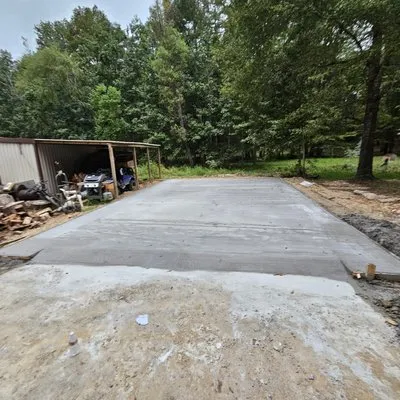
Bryant Land Services is a trusted, local excavation and landscaping contractor serving Huntsville, TX, and the surrounding area. We specialize in expert earthmoving and site preparation, providing sol...

Rockin' D Services
Rockin' D Services is a family-owned and operated landscaping company in Huntsville, TX, built on a foundation of hard work and local values. The business began with owner Dustin's early experiences d...
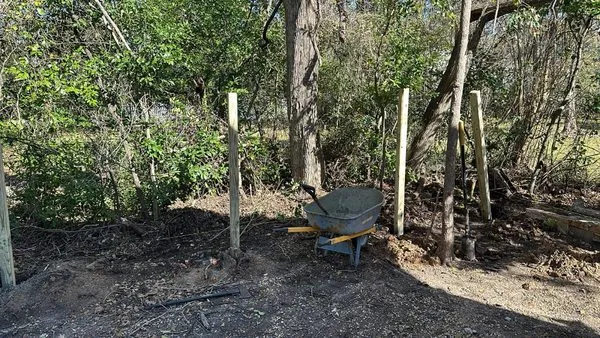
Lopez Landscaping is a Huntsville-based company dedicated to transforming outdoor spaces with comprehensive landscaping, tree care, and pressure washing services. We specialize in everything from gard...

Green Acres Turf Services is a locally owned and operated lawn and tree care company serving Huntsville, TX. Founded by a professional with years of experience working for other landscaping companies,...

Kim's Home and Garden Center
For over 35 years, Kim's Home and Garden Center has been a cornerstone of the Huntsville community, rooted in the historic Top O' the Hill Farm. Founded in 1985, this woman-owned destination has grown...
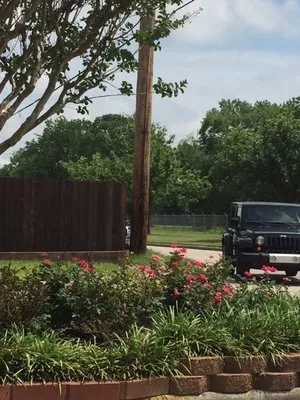
Gail's Lawn Service & Landscaping is a trusted, family-owned business that has been serving the Huntsville community since 2004. Founded by a local resident who grew up here, the company brings over 1...
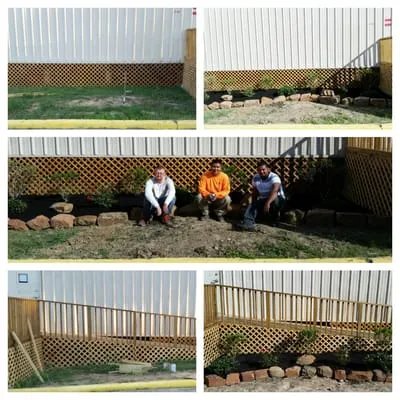
MBT Lawn Specialist is a trusted Huntsville landscaping company dedicated to solving common local yard problems like standing water and dead lawn areas. We provide comprehensive services including lan...
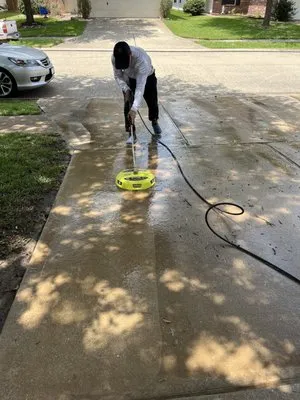
Reyes Services is a Huntsville-based provider specializing in pressure washing and landscaping solutions tailored to local homeowners. We understand the common challenges Huntsville residents face, su...

Reed's Lawn & Landscaping Services
Reed's Lawn & Landscaping Services is a Huntsville-based company providing comprehensive outdoor solutions for residential and commercial properties across Montgomery County, including New Waverly, Wi...
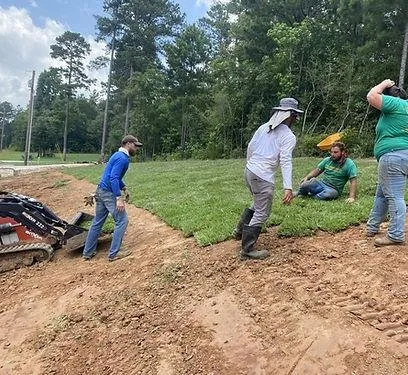
CWB Landscapes is your trusted local landscaping and irrigation specialist serving Huntsville, TX. We specialize in comprehensive outdoor solutions including driveway and walkway installation, retaini...
Common Questions
How do I control invasive species without violating local fertilizer regulations?
Chinese privet and Japanese honeysuckle pose significant invasive risks in Huntsville's acidic soils, competing with natives for nutrients and moisture. Treatment involves targeted herbicide applications during active growth periods, carefully timed outside the Best Management Practices blackout dates for nutrient runoff prevention. Combining mechanical removal with mycorrhizae-enhanced soil amendments helps restore ecological balance without compromising water quality standards in the Trinity River watershed.
What permits and licenses are required for grading work on my 0.28-acre Huntsville property?
Grading that alters drainage patterns or involves cut/fill exceeding 18 inches requires a permit from the Huntsville Planning & Inspections Department. Contractors must hold Texas Department of Licensing and Regulation certification for landscape irrigation and excavation work, ensuring proper erosion control during construction. On 0.28-acre lots, even minor grading can impact neighboring properties, making licensed professionals essential for compliance with municipal codes and watershed protection standards.
Why does my Old Town Huntsville yard have such compacted soil that needs annual aeration?
Houses in Old Town Huntsville average 39 years of age since their 1987 construction, allowing soil to mature with repeated compaction from foot traffic and maintenance equipment. The acidic fine sandy loam common here develops a dense layer that restricts root growth and water infiltration. Core aeration every 1-2 years breaks up this compaction while incorporating organic amendments like composted pine bark to improve soil structure and nutrient availability for healthier turf and planting beds.
How quickly can you respond to an emergency tree cleanup after a storm in Huntsville?
Our emergency dispatch routes from the Sam Houston Statue Visitor Center via I-45 to reach Old Town Huntsville within 20-30 minutes during peak conditions. This response time accommodates HOA compliance deadlines for debris removal while operating within the standard 7:00 AM to 9:00 PM noise ordinance window. We maintain electric-powered equipment to minimize noise impact during extended cleanup operations in residential neighborhoods.
What's the best solution for moderate runoff problems in my Huntsville yard?
The clay subsoil beneath Huntsville's acidic fine sandy loam creates saturation issues that require improved permeability. Installing permeable sandstone pavers allows 80-90% of stormwater to infiltrate directly into the soil profile rather than contributing to runoff. This approach meets Huntsville Planning & Inspections Department standards for on-site water management while addressing the moderate drainage hazard common in older neighborhood lots with compacted soils.
Should I replace high-maintenance turf with native plants to reduce landscaping costs?
Transitioning to American Beautyberry, Eastern Redbud, Turk's Cap, Yaupon Holly, and Little Bluestem creates a climate-adaptive landscape requiring 60-70% less water and maintenance than traditional turf. These natives establish deep root systems that improve soil structure and support local pollinators while eliminating weekly mowing during March-November. This approach positions properties ahead of evolving noise ordinances that may further restrict gas-powered equipment use in residential areas.
Are permeable sandstone pavers better than wood for Huntsville's climate and fire safety?
Permeable sandstone pavers offer superior longevity in Huntsville's humid subtropical climate, resisting decay and insect damage that plagues wood structures within 5-7 years. Their non-combustible nature supports Moderate Fire Wise WUI Zone 2 compliance by creating defensible space around structures. Unlike wood, sandstone maintains dimensional stability through freeze-thaw cycles while its permeability reduces runoff that could transport embers during wildfire events.
How can I maintain St. Augustine grass during Stage 1 water restrictions without overwatering?
Wi-Fi ET-based weather sensing controllers calculate evapotranspiration rates to deliver precise irrigation matched to current conditions. These systems automatically adjust watering schedules based on temperature, humidity, and rainfall data, typically reducing water use by 20-30% compared to traditional timers. For St. Augustine grass in USDA Zone 8b, this technology maintains turf health while staying well within voluntary conservation guidelines by preventing runoff and deep percolation losses.
