Top Landscaping Services in Huntington, TX, 75949 | Compare & Call


American Eagle Lawn and Landscaping is your local Huntington partner for a healthy, vibrant yard. We understand that many area homeowners face common challenges like persistent weed infestations and s...
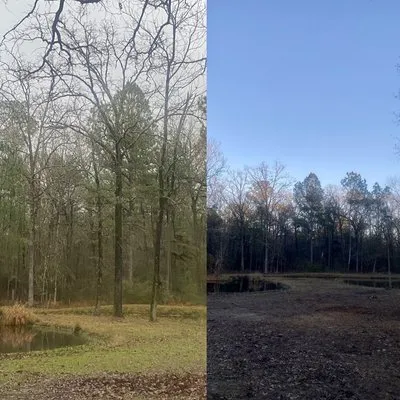
Angelina Landscaping
Angelina Landscaping has been serving Huntington and East Texas since 2014, providing comprehensive outdoor solutions that blend design expertise with practical maintenance. We specialize in transform...

Kountry Kutz Lawn Services is a trusted, locally-owned lawn care provider in Huntington, TX, specializing in comprehensive lawn, gutter, and tree services. We understand the unique challenges Huntingt...
K&B Lawn Service is a trusted, fully insured lawn care provider serving the Huntington and greater Angelina County area. We are dedicated to maintaining your property efficiently and consistently, off...

Y Knot Outdoors is a trusted Huntington, TX-based business specializing in landscaping, tree services, and handyman solutions. We help local homeowners tackle common landscaping issues like landscape ...
Frequently Asked Questions
How do crushed granite and native sandstone compare to wood for Huntington patios and pathways?
Crushed granite and native sandstone offer superior longevity with minimal maintenance compared to wood decking. These materials withstand Texas heat and humidity without rotting or warping. For properties in moderate fire risk zones, they provide the required 5-foot non-combustible perimeter more effectively than wood. Their natural appearance complements Huntington's landscape while meeting fire-wise defensible space requirements.
Why does my Huntington City Center yard have such compacted soil that struggles to drain properly?
Homes built around 1983 in Huntington have soil that has matured for approximately 43 years. The acidic fine sandy loam common in this neighborhood tends to compact over decades, reducing permeability. Core aeration every 1-2 years breaks up compaction layers, while adding organic amendments like compost improves soil structure. This addresses the slow permeability issues noted in lower-lying clay pockets.
What invasive species should Huntington homeowners watch for, and how should they be managed?
Chinese tallow and Japanese climbing fern present significant invasive risks in East Texas. Mechanical removal followed by targeted herbicide application during active growth periods provides effective control. All treatments must follow TCEQ nutrient management guidelines and avoid restricted application dates. Proper disposal prevents reinfestation while protecting native plant communities in the Huntington ecosystem.
What permits and licenses are required for significant grading work on a typical Huntington property?
Grading projects on 0.35-acre lots typically require permits from the Huntington City Secretary & Planning Department. Contractors must hold appropriate licensing through the Texas Department of Licensing and Regulation, particularly for earthwork affecting drainage patterns. Professional licensing ensures compliance with state-regulated BMPs and protects against liability issues. Always verify current requirements before beginning landscape modifications.
How can I maintain healthy turf while following Huntington's water conservation guidelines?
Stage 1 voluntary conservation allows efficient irrigation when properly managed. Smart Wi-Fi controllers with ET-based scheduling adjust watering to actual evapotranspiration rates, reducing waste by 20-30%. For Tifway 419 Bermuda or Centipede grass, this means deeper, less frequent watering that encourages root growth. This approach maintains turf health while staying within municipal water limits.
What solutions work best for drainage problems in Huntington's clay-heavy soil areas?
Slow permeability in clay pockets requires strategic intervention. French drains with proper grading redirect surface water away from foundations. Using permeable crushed granite or native sandstone for hardscapes allows water infiltration rather than runoff. These solutions meet Huntington City Secretary & Planning Department runoff standards while addressing the specific challenges of acidic fine sandy loam with clay inclusions.
What landscape changes make sense as Huntington transitions toward quieter, more sustainable maintenance?
Replacing high-maintenance turf areas with native plantings creates ecological benefits while reducing maintenance needs. American Beautyberry, Yaupon Holly, Black-eyed Susan, and Eastern Redbud thrive in USDA Zone 8b with minimal irrigation. This xeriscaping approach reduces mowing frequency and aligns with evolving noise ordinances that may restrict gas-powered equipment. The transition supports 2026 biodiversity standards.
How quickly can you respond to an emergency tree cleanup after a storm in Huntington?
Emergency storm response typically requires 20-30 minutes during peak conditions. Our crews dispatch from Huntington City Hall and travel via US Highway 69 to reach Huntington City Center properties. This routing minimizes delays while complying with standard daytime operation hours from 7:00 AM to 9:00 PM. We prioritize safety assessments before beginning cleanup operations.
