Top Landscaping Services in Houston, TX, 77001 | Compare & Call
There are 193 landscaping companies server in Houston TX
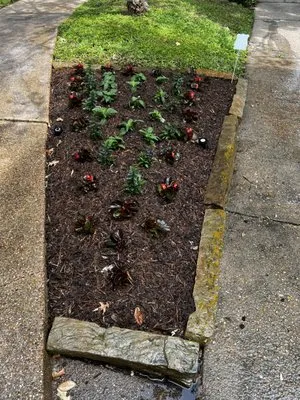
MJ Landscaping is a Houston-based company dedicated to creating beautiful and enduring outdoor spaces. We specialize in comprehensive landscaping, from custom design and installation to ongoing mainte...
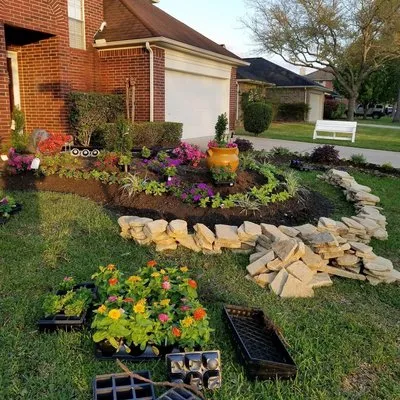
Hector Pineda Tree Service
Hector Pineda Tree Service is a trusted, locally-owned Houston company specializing in comprehensive tree care and expert landscaping solutions. We understand the unique challenges Houston homeowners ...
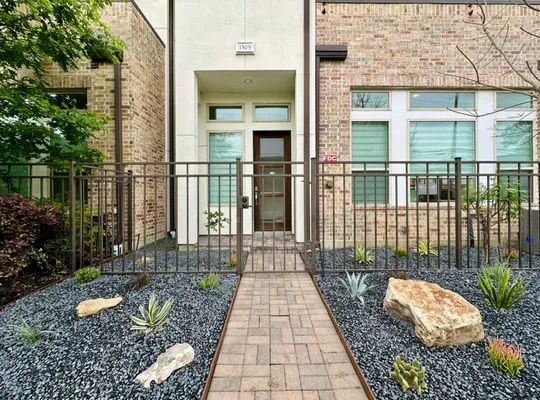
Byron's Landscaping has been serving Houston since 2000 with comprehensive landscaping, irrigation, and masonry services. Our licensed team combines horticultural expertise with personalized design to...
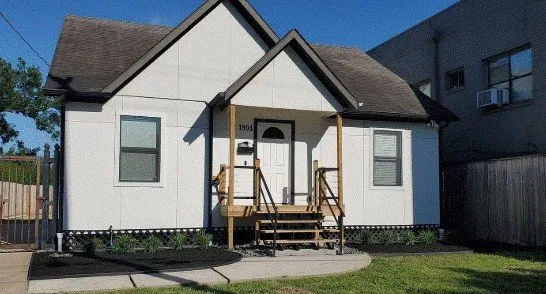
Summer Splendor Landscaping has been a trusted name in Houston's landscaping scene for 19 years. We specialize in comprehensive solutions for both residential and commercial properties, from initial d...
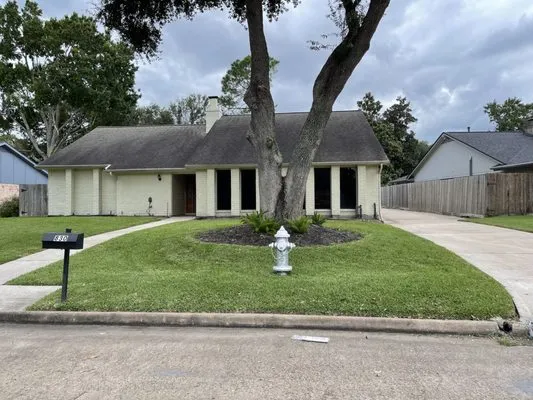
At Oscars Landscaping in Houston, we approach every property with care, understanding that each yard has its own unique challenges and potential. Our philosophy is built on providing reliable, high-qu...
RS Texas Landscaping is a Houston-based landscaping company dedicated to transforming outdoor spaces across the city. We specialize in addressing common local lawn challenges, particularly patchy gras...
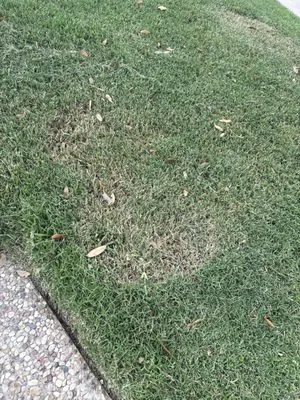
Since 1952, ABC Home & Commercial Services has been a trusted name for Houston residents and businesses, providing dependable solutions for pest control, lawn care, and pool maintenance. Our team of h...
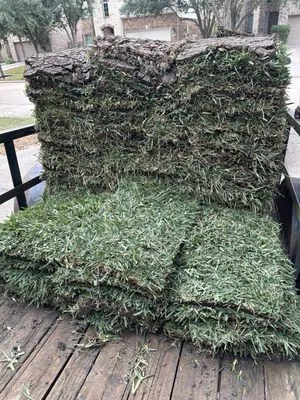
290 Grass is a family-owned and operated business serving the Cypress, Texas community. Our mission is to provide quality landscaping supplies, focusing on the specific needs of local homeowners. We u...
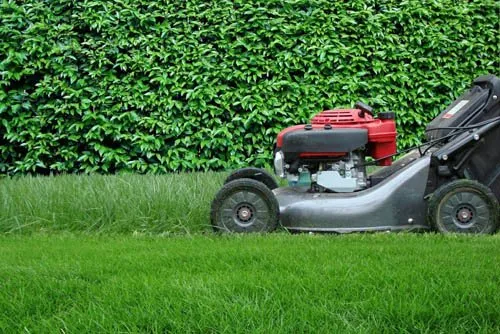
Carlos Landscaping Service is a trusted Houston-based company specializing in gardening, landscape maintenance, and tree care services. We understand the unique challenges Houston homeowners face, suc...
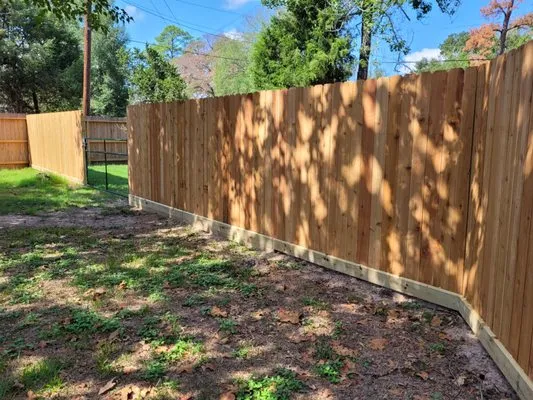
Since 2014, DWS Fencing has been a trusted, family-owned fence company serving Magnolia and Northwest Houston. Founded on years of construction and home renovation experience, we focus on quality craf...
Estimated Landscaping Service Costs in Houston, TX
Frequently Asked Questions
I've noticed an invasive vine taking over. How should I handle it?
Common invasive alerts here include Chinese Tallow and Japanese Climbing Fern. Correct identification is essential before treatment. Manual removal for young plants is effective; for established infestations, targeted, professional-grade herbicide application is required. All treatments must comply with the City of Houston Stormwater Quality Ordinance, avoiding nitrogen-based fertilizers and adhering to specified seasonal blackout dates to protect Buffalo Bayou watershed health.
What permits and credentials should I verify before starting a major landscaping project?
Any significant alteration of land, especially on a 0.35-acre lot, involves regulated work. Regrading, drainage modifications, or retaining walls over 4 feet require a permit from the City of Houston Planning & Development Department. The contractor must hold appropriate licensing from the Texas Department of Licensing and Regulation (TDLR). This ensures compliance with building codes, environmental regulations, and protects you from liability for improper water diversion or structural failure.
What are lower-maintenance alternatives to my traditional lawn?
Transitioning to a climate-adaptive landscape reduces water, chemical inputs, and noise. A layered planting of Gulf Coast Muhly grass, Turk's Cap, and American Beautyberry provides year-round interest and supports local pollinators. This xeriscape approach eliminates weekly mowing and gas-powered blower use, aligning with evolving noise ordinances and creating a resilient system that outperforms turf during drought and extreme heat.
How can I keep my St. Augustine grass alive during summer without wasting water?
Under Houston's Stage 1 voluntary conservation, precision is key. Wi-Fi ET-based weather-sensing controllers are mandated for efficient systems. These devices automatically adjust runtime based on real-time evapotranspiration data, preventing overwatering on clay soil. This technology can maintain Palmetto St. Augustine with 25-30% less water than traditional timers by aligning irrigation precisely with plant need and municipal guidelines.
Can you respond quickly for an emergency tree cleanup after a storm?
Our storm response protocol for River Oaks prioritizes dispatch from our Buffalo Bayou Park staging area. Crews access I-610 for direct routing into the neighborhood, targeting a 25-40 minute arrival during peak congestion. This efficiency is critical for HOA compliance deadlines and mitigating safety hazards from downed limbs, utilizing electric chainsaws that operate below the city's 65 dBA noise ordinance at the property line.
Are permeable pavers a better choice than wood for a new patio?
For long-term durability and site performance, permeable concrete pavers are superior. Unlike wood, they do not rot, warp, or attract pests, and their inherent permeability directly mitigates local drainage issues. In Houston's Moderate Urban-Wildland Interface fire risk zone, non-combustible pavers also contribute to defensible space. Their installation requires precise grading to ensure function, making professional design critical.
My yard holds water for days after a rain. What's the long-term solution?
Persistent ponding is a direct result of the slow infiltration rate of Beaumont Clay. Surface grading alone is insufficient. A integrated approach combines subsurface French drains with the strategic use of permeable concrete pavers for patios and walkways. This system increases overall site permeability and can be designed to meet the City of Houston Planning & Development Department's stormwater runoff standards by managing water on-site.
Why does the soil in my yard seem so compacted and difficult to work with?
River Oaks properties, built around 1981, have mature soil profiles now 45 years old. The native Beaumont Clay, a Vertisol, compacts significantly over decades of standard maintenance. This clay has a high shrink-swell capacity and a neutral pH of 6.5-7.5, but its permeability is extremely low. Annual core aeration and incorporation of 2-3 inches of composted organic matter are non-negotiable practices to rebuild soil structure and support root penetration.
