Top Landscaping Services in Holly Lake Ranch, TX, 75765 | Compare & Call
There are 79 landscaping companies server in Holly Lake Ranch TX

Bernardo Santos Landscaping is a trusted, full-service landscaping company serving Fruitvale, TX, and the surrounding areas. We specialize in solving the common local challenges homeowners face, such ...
McKnight Lawn Care Service is a trusted, local lawn care provider dedicated to maintaining healthy, vibrant lawns for homeowners in Mineola, TX. We understand the specific challenges faced in our area...
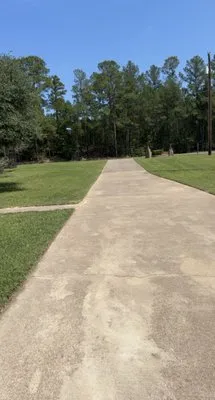
Roberto And Alex’s Lawn Care, serving Tyler, TX and surrounding areas since 2021, is a locally-owned lawn service dedicated to providing reliable, community-focused care. Specializing in comprehensive...
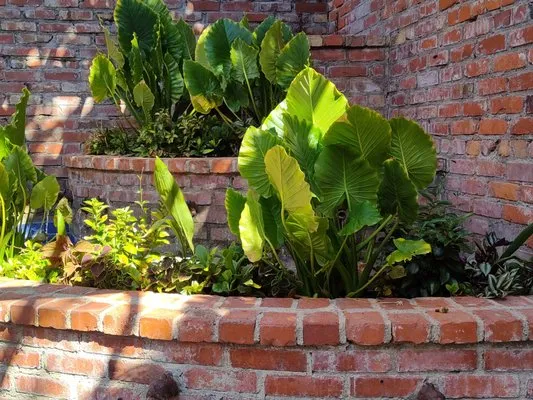
Royal Legacies Landcsape & Landscape Design
Royal Legacies Landscape & Design has been a trusted name in Mineola and the greater East Texas area for over 25 years. As a Christian-owned and operated business, we build on a foundation of integrit...
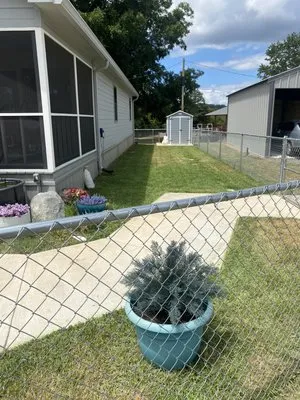
Parks Yard Company is a Veteran-owned and operated lawn care business based in Gilmer, Texas, serving all of East Texas with a passion for local beautification. We specialize in creating low-maintenan...
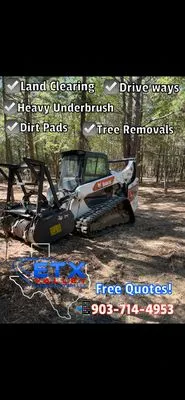
ETX Valley Construction is a trusted local business in Tyler, TX, specializing in landscaping, tree services, and junk removal. We help homeowners tackle common landscaping issues like dying shrubs an...
Green Acres Lawn Care is a trusted local lawn service provider in Quitman, TX, dedicated to helping homeowners maintain healthy, beautiful yards. We specialize in comprehensive lawn care solutions tha...
Rock Solid is a trusted, locally-owned home services business serving Hawkins, Wood County, and the surrounding area. We specialize in bringing your outdoor vision to life with reliable landscaping an...
Evergreen Landscaping is your Hawkins, TX partner for a healthy, vibrant yard. We understand that local homeowners often face specific challenges like persistent moss growth and damaging lawn fungus, ...
Estimated Landscaping Service Costs in Holly Lake Ranch, TX
Question Answers
I'm tired of weekly mowing and noisy gas blowers. What's a lower-maintenance, quieter alternative to my lawn?
Transitioning sections of high-maintenance turf to a planting of American Beautyberry, Yaupon Holly, and Switchgrass creates a resilient, biodiverse landscape. This native matrix requires no mowing, minimal watering once established, and eliminates the need for gas-powered leaf blowers, aligning with future noise ordinance trends. It provides seasonal interest and critical habitat, moving beyond purely ornamental value.
A storm knocked down branches, and the HOA sent a notice. How quickly can you get a crew here for emergency cleanup?
For an HOA compliance emergency, our dispatch from the Holly Lake Ranch Association Office prioritizes routes using TX-154 for direct access. Accounting for debris on local roads, a dedicated crew can typically be on-site within the 45-60 minute peak storm response window. We coordinate with the Association office to verify the scope upon arrival, ensuring the cleanup meets their specific standards for the neighborhood.
We want to build a patio but are concerned about wildfire risk. Is native sandstone a better choice than a wooden deck?
In a High Fire Wise rated community like Holly Lake Ranch, creating defensible space is critical. Native iron ore sandstone is a superior, non-combustible hardscape material compared to wood. It provides a permanent, low-maintenance patio that contributes to the required firebreak around your home. Its durability and natural aesthetics also ensure it integrates well with the local environment without the decay or replacement cycle of timber.
Our soil feels hard and water just runs off. Did the original construction in 1996 damage it permanently?
Lots in Holly Lake Ranch Estates established on acidic sandy loam around 1996 now have 30-year-old soil. Decades of foot traffic and conventional maintenance have likely compacted the profile, reducing permeability and exacerbating the natural erosion potential. Core aeration followed by top-dressing with a quality compost is essential to rebuild structure and increase the soil's water-holding capacity. This addresses the underlying compaction, not just surface symptoms.
I've spotted what looks like invasive Bermudagrass in my flower beds and a vine that's smothering shrubs. How do I handle this?
Common Bermudagrass encroachment and vines like Japanese honeysuckle are persistent issues. For precise removal, a targeted, systemic herbicide applied in late spring when plants are actively growing is most effective. Always follow TCEQ best management practices, which include avoiding application before forecasted rain to prevent runoff. For severe infestations, manual removal combined with a pre-emergent in adjacent beds may be necessary.
We have some sloped areas where rain washes away mulch and soil. What's a permanent fix that also looks good?
Moderate erosion on sloped, sandy loam terrain requires intercepting and slowing runoff. A tiered series of dry creek beds lined with native iron ore sandstone is both functional and aesthetically congruent. This permeable hardscape allows water to infiltrate while stabilizing the slope. For significant regrading, consult Wood County Planning & Development to ensure any earthwork meets current runoff management standards for your lot.
With Stage 1 water conservation in effect, how do I keep my Bermuda grass alive without wasting water?
Stage 1 voluntary conservation is a prime opportunity to optimize irrigation. A smart Wi-Fi ET-based controller is the technical solution, programming it to water only when evapotranspiration data indicates a need, typically in the very early morning. This method can reduce water use by 20-30% while preserving turf health by applying moisture at the root zone's peak uptake period. It aligns irrigation precisely with the plant's requirements, not a fixed calendar schedule.
We're planning to regrade part of our half-acre lot for better drainage. What permits and contractor credentials are required?
Significant regrading on a 0.50-acre lot typically requires a permit from Wood County Planning & Development to ensure compliance with erosion control and drainage ordinances. The contractor performing this work must hold the appropriate license from the Texas Department of Licensing and Regulation, which covers earthmoving and excavation. This ensures the work is performed to code, protecting your property from liability and improper water diversion issues.
