Top Landscaping Services in Hamshire, TX, 77622 | Compare & Call

There are 26 landscaping companies server in Hamshire TX
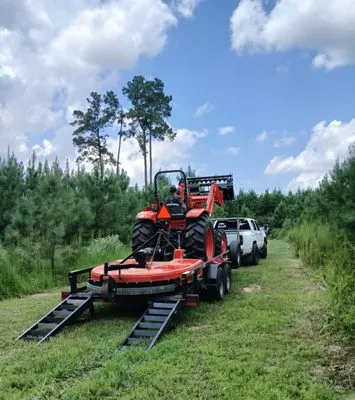
Serving homeowners across Houston, TX, JCS Land Clearing & More specializes in comprehensive lawn care solutions tailored to the city's unique climate and common landscaping challenges. We directly ad...
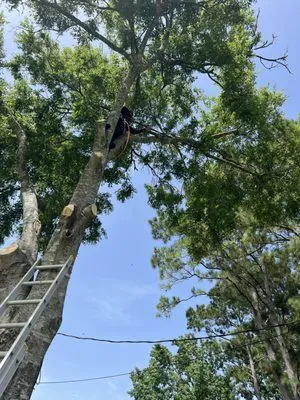
As a family-owned tree service and landscaping business serving Baytown, TX, we understand the unique challenges homeowners face in our community. From tree root damage disrupting lawns to irrigation ...
Setx Land Solutions is a locally-owned and licensed irrigation and landscaping company based in Beaumont, TX. With roots deep in the Southeast Texas soil, the owner grew up in the family landscaping b...

US Lawns - Beaumont is a comprehensive landscaping and construction company serving homeowners throughout the Beaumont, TX area. We specialize in creating and maintaining beautiful, functional outdoor...
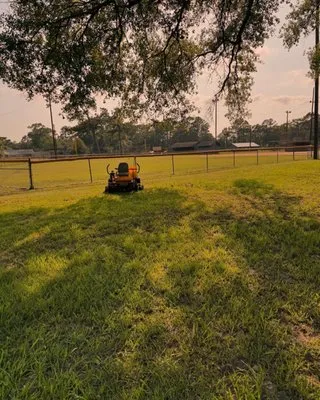
Eddy's Lawn Care Services is a trusted local provider in Beaumont, TX, specializing in comprehensive lawn, gutter, and pressure washing solutions. We understand the unique challenges Beaumont homeowne...
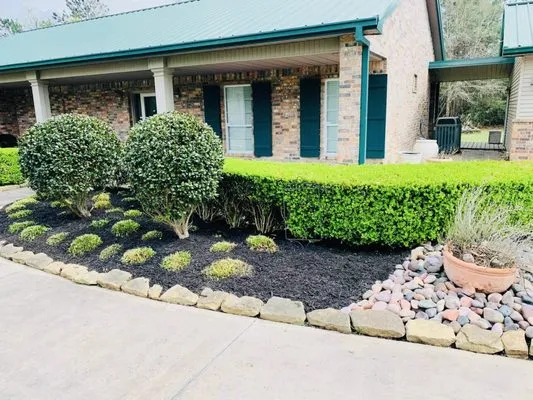
Corona's Landscaping is a trusted Beaumont, TX-based company specializing in comprehensive lawn services, fence, and gate solutions. We understand that many local homes face landscaping challenges lik...

Bells & Whistles Lawn and Landscaping Services is a locally and family-owned business serving Beaumont, TX since 2016, officially incorporated in Texas this year. As part of Brown Enterprise & Acquisi...
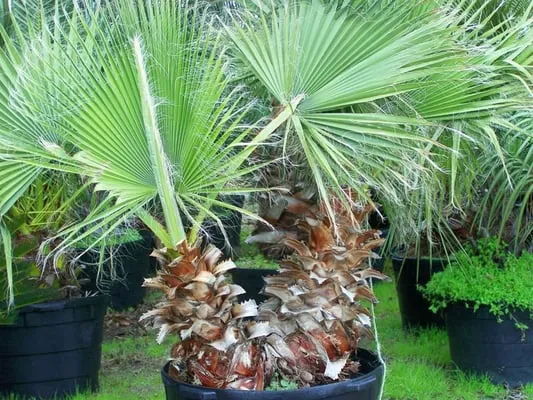
For Curtis Dearing, owner of Palms of Paradise, palms are more than a business—they're a lifelong passion. His journey began as a boy and grew into a 16-year venture managing a 6-acre palm farm in Haw...
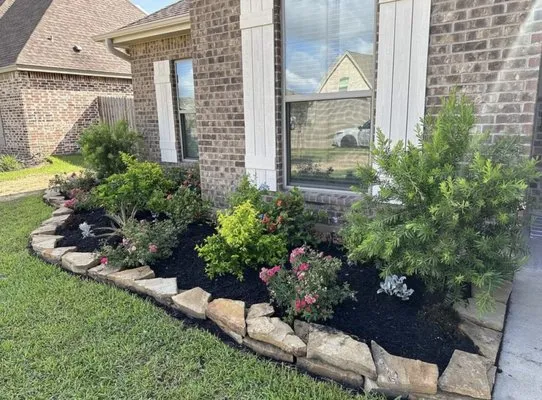
Performance Outdoor Services
Performance Outdoor Services in Orange, TX, was born from a deeply personal commitment to quality and community. It started with a few neighborhood lawns, a tribute to a father's memory, and has grown...

JNB Services is a family-owned, local company in Beaumont, TX, dedicated to providing comprehensive cleaning and lawn care solutions for both homes and businesses. We offer a wide range of services, i...
Estimated Landscaping Service Costs in Hamshire, TX
Question Answers
What invasive species should we watch for, and how do we control them without harming our landscape?
In this region, Chinese Tallow and Japanese Climbing Fern are aggressive invaders that outcompete natives. For control, manual removal of seedlings is effective for small infestations. For larger issues, a targeted, systemic herbicide applied in late summer or fall when natives are dormant is most effective. All applications must follow TCEQ best management practices, which include avoiding treatment before forecasted rain to prevent runoff into the high water table and never applying during drought stress conditions.
We want to reduce weekly mowing and gas blower noise. What are low-maintenance, attractive alternatives to grass?
Transitioning to a climate-adapted landscape is a forward-looking strategy. Replacing high-input turf with layered plantings of Gulf Muhly grass, Yaupon Holly, American Beautyberry, and Turk's Cap creates a resilient, biodiverse habitat. These natives require minimal water once established, no regular mowing, and only seasonal trimming with electric equipment. This approach significantly reduces fossil fuel consumption, aligns with evolving municipal noise ordinances targeting gas blowers, and provides superior habitat value compared to a monoculture lawn.
Our yard holds water for days after a rain. What's the best solution for our property's poor drainage?
A high water table combined with the poor infiltration rate of acidic coastal clay creates chronic surface ponding. The primary solution is to intercept and redirect water before it saturates the lawn. Installing a French drain system tied to a dry well or daylight outlet is often necessary. For any new patios or paths, using permeable materials like stabilized sandstone or crushed granite increases ground absorption and can help meet Jefferson County Engineering Department standards for managing stormwater runoff on-site.
Is crushed granite or wood better for a new patio that's both durable and fire-safe?
For longevity and fire resilience in Hamshire's Moderate Wildland-Urban Interface rating, crushed granite or stabilized sandstone is superior to wood. These inorganic materials do not combust, contributing to the defensible space required around structures. A properly installed and compacted crushed granite base with a stabilizing binder creates a highly permeable, stable surface that withstands heat and humidity without rotting, warping, or requiring chemical treatments. This makes it a permanent, low-risk hardscape solution.
Do we need a permit to regrade our backyard for better drainage, and what kind of contractor should we hire?
Yes, significant regrading on a 0.50-acre lot that alters water flow typically requires a permit from the Jefferson County Engineering Department to ensure it doesn't adversely affect neighboring properties or public infrastructure. The work must be performed by a licensed landscape contractor registered with the Texas Department of Licensing and Regulation. This licensing ensures the contractor carries proper insurance and understands the legal standards for earthwork, which is critical when modifying the topography of clay soils with a high water table.
Why does the soil in our Hamshire Rural Residential neighborhood feel so compacted and hard to work with?
Most homes here were built around 1995, meaning the landscape soil is roughly 31 years old. This acidic coastal clay has undergone decades of settling and compaction from standard construction and maintenance practices. The resulting poor soil structure severely limits permeability and root penetration for St. Augustine grass. To restore soil health, core aeration followed by the incorporation of 2-3 inches of composted organic matter is a foundational practice to improve water infiltration and biological activity.
How can we keep our St. Augustine lawn healthy during Stage 1 water restrictions without overwatering?
Effective irrigation in Zone 9b requires precision. Modern smart Wi-Fi controllers, integrated with in-ground soil moisture sensors, are essential. They bypass scheduled watering when soil moisture is adequate, applying water only during optimal early morning hours based on real-time evapotranspiration (ET) data. This system can reduce water use by 20-40% compared to traditional timers, keeping the Raleigh variety of St. Augustine adequately hydrated while adhering to voluntary conservation measures and preventing runoff on our tight clay soils.
We have an emergency tree limb down after a storm and need immediate HOA compliance cleanup. How quickly can you respond?
Our dispatch prioritizes emergency calls from the Hamshire Rural Residential area. A crew would depart from our staging area near Hamshire-Fannett High School, travel east on State Highway 124, and aim for a 45-60 minute arrival during peak conditions. We maintain an electric-powered fleet for quiet operation within the standard 7:00 AM to 9:00 PM noise ordinance window, allowing us to begin safe, compliant removal and debris processing immediately upon arrival.
