Top Landscaping Services in Granbury, TX, 76048 | Compare & Call
There are 191 landscaping companies server in Granbury TX
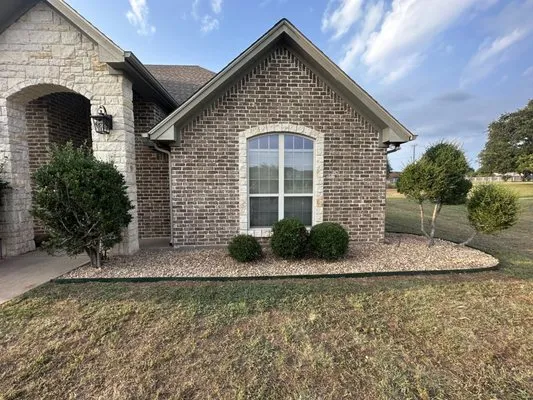
Lutgen Lawn Care is your Granbury neighbor for a healthier, cleaner property. Founded by twin brothers in 2018, we've grown from a family operation into a trusted local team specializing in comprehens...
Americas Choice Landscaping is a trusted Granbury, TX landscaping company dedicated to solving common local irrigation and sprinkler problems. Many homes in the area experience issues like sprinkler c...

Five Star Landscaping is a locally owned and licensed landscaping service proudly serving Granbury, Hood County, and the surrounding area. With a deep understanding of North Texas landscapes, we bring...
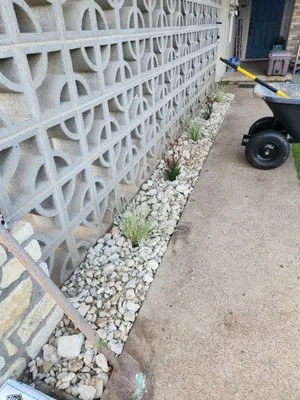
Cody's Lawncare is a trusted local lawn service provider in Granbury, TX, specializing in comprehensive lawn care solutions tailored to the area's specific challenges. We understand that Granbury home...
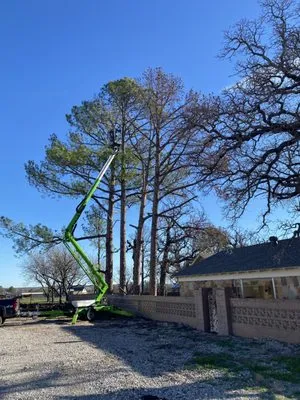
Founded in 2015 by Steve and his son in Weatherford, TX, Steve's Tree Service began as a lawn care business and has grown into a trusted local provider of tree and shrub services. Rooted in Christian ...
Cody's Landscaping and Lawncare is a Granbury-based, full-service landscaping company dedicated to enhancing outdoor spaces for both residential and commercial properties in the Hood County area. With...
For over a decade, John's Affordable Remodeling and Lawn Care has been Granbury's trusted solution for both home improvements and yard health. We understand the unique challenges of local properties, ...

Heimer's Lawn is a trusted Granbury, TX lawn care provider specializing in comprehensive maintenance and problem-solving for local homeowners. We understand the common landscaping challenges in our ar...
Jack's Lawn & Landscaping is a trusted Granbury-based landscaping company dedicated to solving common local lawn challenges. We specialize in addressing patchy lawn grass and tree root lawn damage—two...

Hamilton’s Lawn Service in Granbury started from humble beginnings, built on a foundation of personal care and quality work. Founder Cody Hamilton began with a single John Deere mower and a dedicated ...
Estimated Landscaping Service Costs in Granbury, TX
Questions and Answers
We see invasive Bermudagrass and nutsedge. How do we treat them without harming the environment?
Invasive Bermudagrass and yellow nutsedge thrive in disturbed, compacted soils. Treatment requires a targeted, integrated approach. For nutsedge, a specific post-emergent herbicide applied precisely during its active growth phase is effective. Managing Bermudagrass encroachment often involves diligent physical removal and soil improvement. All treatments must follow state-wide nutrient management guidelines to prevent phosphorus runoff, avoiding application before forecasted rain.
We're tired of weekly mowing. Are there lower-maintenance, attractive alternatives to grass?
Replacing high-input turf with a climate-adapted xeriscape is a forward-thinking solution. A palette of native plants like Texas Sage, Flame Acanthus, Little Bluestem, Pink Muhly, and Black-eyed Susan provides year-round interest with minimal water once established. This transition reduces mowing, eliminates gas-blower noise, and creates habitat, aligning with evolving noise ordinances and biodiversity goals for 2026.
Water pools in our yard after every rain. What's the best solution for our heavy clay soil?
High runoff and pooling are direct results of the low permeability in Granbury's compacted alkaline clay. The primary solution is to create positive drainage away from structures. This often involves installing a French drain system tied to a dry creek bed or safe outlet. Using permeable base materials under any new native Texas limestone patios or walkways can also help meet the Granbury Building & Inspections Department's runoff standards by allowing infiltration.
We want to regrade our backyard for better drainage. What permits and contractor qualifications are needed?
Regrading a 0.25-acre lot in Granbury typically requires a permit from the Granbury Building & Inspections Department to ensure drainage plans do not adversely affect neighboring properties. The contractor must hold appropriate licensing through the Texas Department of Licensing and Regulation (TDLR). This is critical as improper grading can create significant water damage liabilities, and the work must comply with all local erosion control and runoff ordinances.
We have an HOA compliance notice for overgrowth. How quickly can you perform an emergency cleanup?
For an emergency HOA compliance cleanup, our dispatch from Granbury City Park via US-377 allows for a response within 20-30 minutes during peak hours. Our electric maintenance fleet, including quiet battery-powered trimmers and mowers, can operate immediately upon arrival without violating the 7:00 AM noise ordinance. We prioritize clearing visible property lines and critical sight lines to meet deadlines efficiently.
Is a Texas Limestone patio a better long-term choice than a wooden deck?
Native Texas Limestone is a superior long-term investment for durability and fire resilience. Unlike wood, it requires no sealing, won't rot, and is impervious to insects. For properties in Moderate (WUI Zone 2) fire risk areas, non-combustible hardscapes like limestone contribute directly to defensible space requirements. Its thermal mass also moderates temperature, reducing the heat island effect compared to synthetic materials.
How can we keep our TifTuf Bermuda lawn healthy under the Stage 2 water restrictions?
Stage 2 restrictions allow watering only two days per week. An ET-based, Wi-Fi-enabled irrigation controller is essential. It automatically adjusts runtime by using local weather data to apply precisely the water lost to evapotranspiration, preventing overwatering. This technology, when paired with a healthy, deep-rooted TifTuf Bermuda turf, maximizes water use efficiency and keeps the lawn within municipal water budgets while maintaining vigor.
Our Historic Granbury neighborhood was developed around 2002. Why does the soil seem so difficult to work with?
Homes built in 2002 have soil that is approximately 24 years old, but in development contexts, that means 24 years of compaction and nutrient depletion. The underlying alkaline clay, with a pH of 7.9-8.2, is native to the area but was heavily compacted during construction. This compaction reduces soil percolation and root penetration. Core aeration paired with organic compost amendments is critical to rebuild soil structure and biological activity for long-term plant health.
