Top Landscaping Services in Gladewater, TX, 75647 | Compare & Call

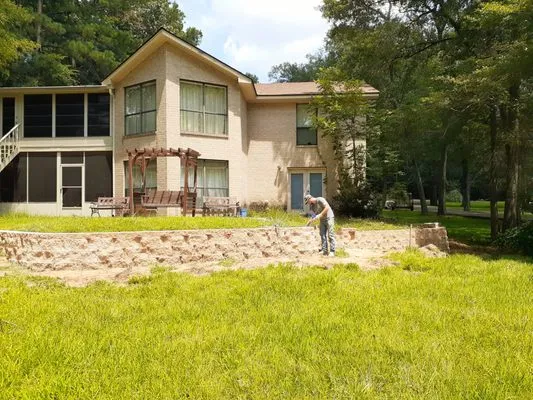
Jud's Landscaping and Exterior Design is a trusted local business in Gladewater, TX, specializing in comprehensive landscaping, irrigation, and patio coverings. We help Gladewater homeowners tackle co...
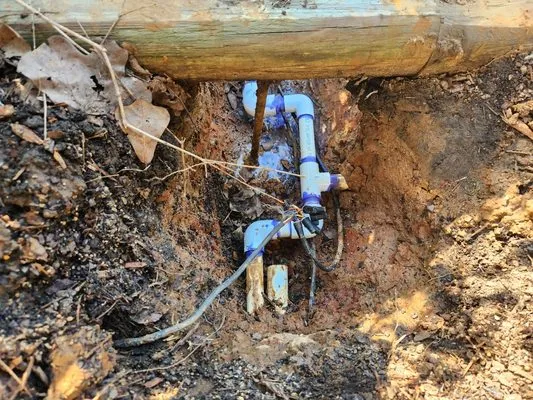
TX Mile Services in Gladewater, TX is a dedicated irrigation and landscaping company founded on expertise and community values. Starting in the irrigation industry in 2017 under a leading East Texas e...
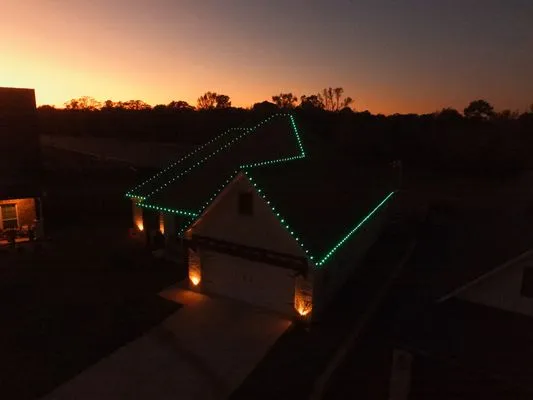
Yard Dog Lawn & Lights is a locally owned and operated lawn care and holiday decorating service based in Gladewater, Texas, proudly serving the Longview, Hallsville, Kilgore, and surrounding East Texa...

H&S Lawn & Landscape is a Gladewater-based, family-owned contractor dedicated to enhancing local homes and businesses. We provide reliable, high-quality landscaping services for our neighbors througho...
Allen's Lawn Care & Landscaping is your trusted local landscaping partner in Gladewater, TX. We specialize in comprehensive lawn care and landscaping services designed to keep your outdoor spaces heal...
Double A Services is a Gladewater-based company specializing in comprehensive landscaping and outdoor maintenance. We provide a full range of services including gardening, irrigation repair, lawn care...
Willam's Landscaping is a Gladewater-based family business dedicated to helping East Texas homeowners achieve and maintain vibrant, healthy outdoor spaces. We understand that local soil conditions and...
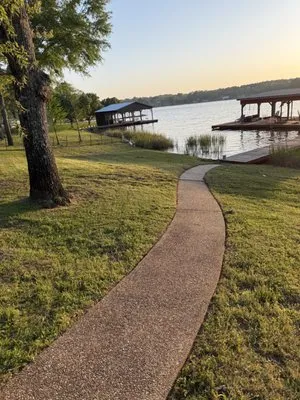
T and C Lawn Care is a Gladewater-based lawn service dedicated to providing residents with quality work and dependable results. We believe you deserve excellent service without the premium price tag o...
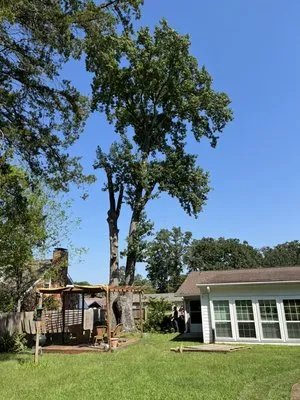
SM Tree Service is a trusted local provider in Gladewater, TX, dedicated to professional tree and lawn care. Our team combines accurate trade knowledge with practical skill to deliver reliable service...
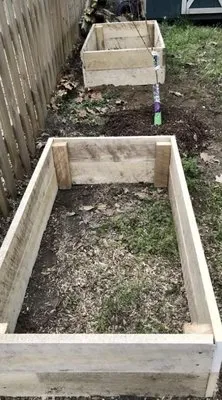
At Pack It Up in Gladewater, TX, we're your neighbors dedicated to transforming outdoor spaces into personal sanctuaries. We believe the best landscapes start with your vision. Our approach is collabo...
Frequently Asked Questions
Are native sandstone pavers a better choice than wood for a new patio?
Yes, for durability and fire resilience. Native sandstone offers superior longevity with minimal maintenance compared to wood, which requires regular sealing and replacement. In Gladewater's Moderate (WUI Zone 2) fire risk area, non-combustible hardscape materials contribute to defensible space. Sandstone's thermal mass also moderates temperature, reducing the urban heat island effect. Its natural permeability aids in managing site runoff.
What permits and licenses are needed to regrade my 0.25-acre lot?
Significant grading or earthmoving on a 0.25-acre lot typically requires a permit from the Gladewater Planning & Development Department to ensure proper drainage and erosion control. The contractor must hold appropriate licensing from the Texas Department of Licensing and Regulation (TDLR). This is crucial for work that alters water flow across property lines or involves structural retention. Always verify current TDLR license status before contracting any earthwork.
What's the best way to fix standing water in my yard after a heavy rain?
Moderate runoff in acidic sandy loam often indicates subsurface compaction or poor grading. A tiered approach includes installing French drains to intercept the seasonal high water table and regrading to direct water away from foundations. For new hardscapes, using permeable native sandstone pavers increases ground infiltration. These solutions collectively manage runoff and can help projects meet Gladewater Planning & Development Department's stormwater standards.
How quickly can you respond to a storm-damaged tree for HOA compliance?
An emergency cleanup crew can be dispatched from Gladewater City Hall within 30 minutes, using US Highway 80 for primary access. Our electric-powered equipment fleet operates within standard noise ordinance hours, allowing for immediate work between 7:00 AM and 9:00 PM. This routing ensures a 20-30 minute peak response time to secure the site, remove hazards, and begin debris processing to meet neighborhood standards.
How do I keep my Tifway 419 Bermuda healthy under Stage 1 water restrictions?
Smart Wi-Fi ET-based irrigation controllers are the standard solution. These systems use local weather data to apply water only when evapotranspiration rates demand it, preventing overwatering. This technology can reduce potable water use by 20-30% while maintaining turfgrass vigor. Programming the system to water deeply and infrequently encourages deeper root growth, making the lawn more resilient during voluntary conservation periods.
What are low-maintenance alternatives to my high-input Bermuda grass lawn?
Transitioning to a xeriscape with regionally native plants like American Beautyberry, Turk's Cap, and Switchgrass significantly reduces water, fertilizer, and maintenance needs. These plants are adapted to Zone 8b and acidic soils, requiring no supplemental phosphorus. This shift also supports 2026 biodiversity goals and reduces dependency on gas-powered blowers and mowers, aligning with evolving noise and emissions ordinances.
Why is my Gladewater lawn so thin and waterlogged?
Downtown Gladewater properties, with homes averaging 52 years old, have developed a mature but compacted soil profile. The native acidic sandy loam, beneficial for drainage, often loses structure and organic matter over decades. This compaction reduces soil percolation, leading to surface runoff and a seasonally high water table. Core aeration and incorporating composted organic matter are essential to restore permeability and support healthy root systems.
How should I treat invasive species like Chinese Tallow without harming my soil?
Chinese Tallow is a high-priority invasive in East Texas. For mature trees, professional cut-stump herbicide application is most effective, timed outside of peak spring growth to minimize non-target impacts. Always follow state-regulated BMPs, which prohibit phosphorus application on non-deficient soils. For smaller saplings, manual removal is preferred. Consistent monitoring and replacing invasives with natives like Yaupon Holly breaks their reproductive cycle.
