Top Landscaping Services in Galveston, TX, 77550 | Compare & Call

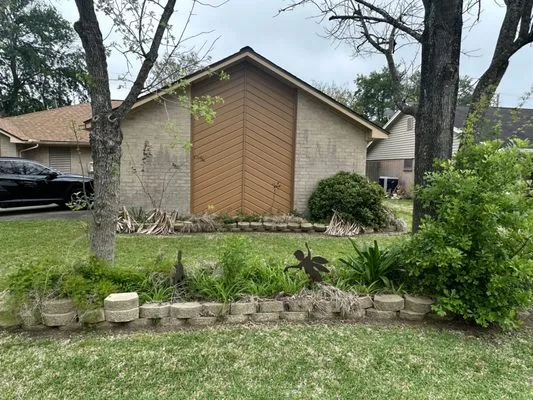
360Blue Home Services is a locally owned Galveston company built on years of hands-on property management experience. Founded in 2021, our journey began with a single vacation rental clean and has gro...
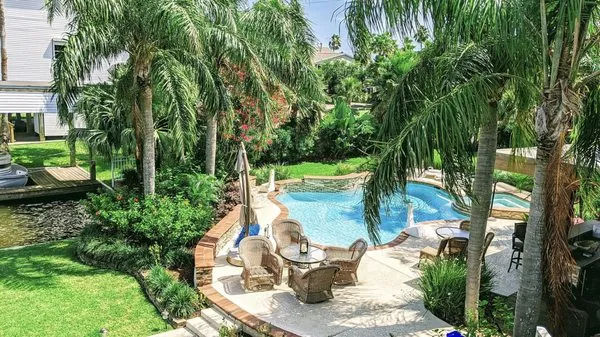
Orellana's Lawn & Garden is a family-owned landscaping business serving Galveston, TX, with over 26 years of combined experience. Founded by the Orellana brothers, who started with just a salvaged mow...
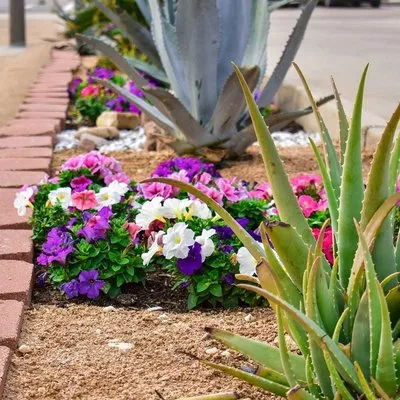
Earth Creations Landscaping
Earth Creations Landscaping has been transforming Galveston's outdoor spaces since 2002. Founded by Dianna Estraca and her husband David, what began as a small dirt yard has grown into a comprehensive...
Flamingo Gardens is a locally owned and operated landscaping company dedicated to enhancing the unique beauty of Galveston properties. We understand the coastal climate and sandy soil conditions, whic...
Edwin Landscaping
Edwin Landscaping is a family-owned business in Galveston, TX, founded by Edwin in 2012 to share his gardening passion and help residents create peaceful outdoor retreats. Specializing in lawn care, t...
Evergreen Landscape is a locally owned and operated landscaping company serving Galveston, TX, and the surrounding communities. We specialize in addressing the unique challenges faced by Gulf Coast ho...

Greg West Tree Service is your trusted local partner for tree care, landscaping, and firewood in Galveston, TX. We understand the unique challenges Galveston homeowners face, from stubborn weed infest...

Lawn Services Of Galveston is your trusted local partner for a healthy, resilient outdoor space. Located in Galveston, TX, we specialize in comprehensive landscaping and expert tree care, services tha...
Milton's Grass Service is a trusted lawn care provider in Galveston, TX, specializing in comprehensive lawn maintenance and problem-solving for local homeowners. We understand the unique challenges Ga...
BTLS Galveston
BTLS Galveston is a family-owned landscaping and outdoor storage business serving Galveston, TX, with comprehensive outdoor solutions. As a licensed applicator with the Texas Department of Agriculture...
FAQs
Our yard floods after every heavy rain. What's a permanent solution for our soil?
Flooding is a direct result of Galveston's high storm surge risk combined with the poor permeability of saline coastal clay. Surface solutions alone are insufficient. A graded system incorporating permeable concrete pavers and channels filled with crushed oyster shell can facilitate subsurface infiltration. This approach meets Galveston Development Services Department standards for stormwater runoff management by reducing flow rate and volume directed to the city's overloaded drainage infrastructure.
We have an invasive vine taking over a hedge. How do we treat it safely here?
Invasive species like Japanese honeysuckle or air potato vine are common alerts in Galveston. Treatment requires a targeted, systemic herbicide applied during the plant's active growth phase, strictly following label instructions. Crucially, any application must avoid direct contact with storm drains or waterways to comply with the local ordinance prohibiting Phosphorus runoff. Timing treatments outside of peak rainfall periods further protects the coastal watershed.
What's your emergency response time for storm debris cleanup to meet HOA deadlines?
For an emergency cleanup in the East End Historic District, our standard dispatch originates near Bishop's Palace. The route proceeds via Broadway to I-45 South, which allows for an estimated arrival of 45-60 minutes during peak post-storm traffic. This operational window is designed to secure properties and initiate debris removal before most compliance deadlines, with crews prepared for the specific vegetative waste common to Zone 9b.
Do we need a permit to regrade our yard and install a dry creek bed?
Yes, regrading a 0.12-acre lot in Galveston typically requires a permit from the Galveston Development Services Department. The installation of a dry creek bed or any significant drainage structure alters surface water flow, which is regulated. Furthermore, this work must be performed by or under the supervision of a licensed professional, as mandated by the Texas Department of Licensing and Regulation, to ensure it meets engineering and environmental standards for flood-prone areas.
Is there a lower-maintenance, quieter alternative to our current lawn and landscape?
Transitioning to a xeriscape palette of Gulf Coast Muhly, Sea Oats, and Lantana urticoides significantly reduces water, mowing, and chemical inputs. These natives are adapted to local conditions and require minimal maintenance. This shift also preempts evolving noise ordinances by eliminating the need for frequent gas-powered mowing and blowing, aligning with the broader move toward electric maintenance fleets in sensitive historic districts.
How can we keep our St. Augustine lawn alive under the city's water conservation rules?
Maintaining St. Augustine, particularly the Raleigh or Palmetto cultivars, under Stage 1 voluntary conservation requires precision. Smart Wi-Fi ET-based controllers are essential; they adjust schedules daily using local evapotranspiration data and integrate rain/freeze sensors to prevent wasteful cycles. This technology delivers water only when and where the turf needs it, maximizing efficiency and keeping irrigation volumes within recommended municipal guidelines for coastal lawns.
Why does our yard hold water and look stressed compared to newer neighborhoods?
Galveston's East End Historic District was largely developed on saline coastal clay around the 1970s. Soil maturity calculations for 2026 indicate over 50 years of compaction without significant remediation. This soil type, with a pH of 7.5-8.2, has naturally poor permeability and low organic matter, leading to poor drainage and nutrient availability. Core aeration and the incorporation of composted organic matter are critical first steps to improve soil structure and function.
Are oyster shell pathways a good choice compared to wood decking for our backyard?
Crushed oyster shell is a superior, locally sourced material for pathways compared to wood. It provides excellent permeability, reduces heat island effect, and requires no sealing or rotting concerns inherent to wood in the humid, saline air. For properties in Moderate Coastal WUI zones, these inorganic materials also contribute to defensible space by not adding combustible fuel adjacent to structures, an important fire-wise consideration.
