Top Landscaping Services in Freeport, TX, 77422 | Compare & Call
There are 133 landscaping companies server in Freeport TX
Gulf Coast Landscaping has been serving the Lake Jackson community since 1991, providing comprehensive landscaping and lawn care solutions. As a local family-owned business, we specialize in lawn care...

Pena’s Landscaping Service is a reliable, locally-owned business dedicated to keeping Lake Jackson yards looking their best. Founded on a commitment to dependability and punctuality, we offer straight...

Cutting Edge is a locally owned and operated landscaping company serving Clute and the greater Brazosport area. Founded in 2010 by a Surfside Beach native who started with just a pawn shop mower, the ...
Brazos Landscape Supply is your trusted local resource in Angleton, TX, providing essential materials and expert guidance for all your landscaping needs. We specialize in helping homeowners and contra...
Country Boys Lawn Service is a trusted, locally-owned lawn care provider serving homeowners in Freeport, TX. We understand the unique challenges of our local landscape, including common problems like ...

Womack Lawn & Landscaping LLC is a family-owned lawn and landscaping service that has been serving the Lake Jackson, Texas community since 2017. With over a decade of combined experience, this local b...
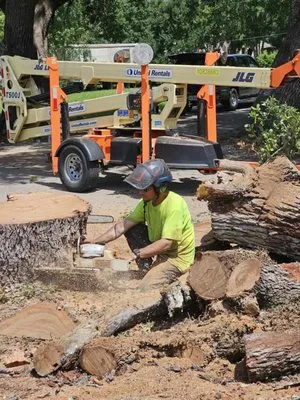
Landyn Tree's in Angleton, TX is a family-owned and operated business specializing in comprehensive tree services, landscaping, and fence & gate solutions. Founded by a local father of four with over ...
Serving the Lake Jackson, TX community, Jrs Lawn Cuts provides dedicated lawn care services tailored to local needs. We understand the specific challenges homeowners face, such as yard erosion and dam...
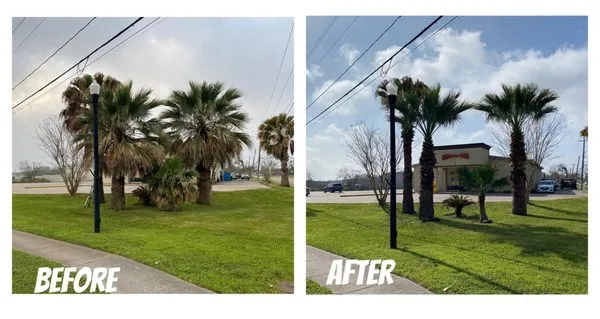
RPH Lawn Service is a locally owned and operated landscaping and outdoor construction company serving Lake Jackson, TX, and Brazoria County. With expertise in deck construction, fence installation, pa...
A-1 Lawn & Landscape is a trusted local landscaping company serving Clute, TX, and the surrounding Brazoria County area. We specialize in comprehensive yard solutions tailored to the unique challenges...
Estimated Landscaping Service Costs in Freeport, TX
Common Questions
I've seen invasive vines taking over. How do I remove them safely?
Invasive species like Chinese Tallow or Japanese Climbing Fern are an active alert in Zone 9b. Manual removal of roots and seed heads is the first defense. For persistent issues, a targeted, systemic herbicide applied during active growth phases is effective. This application must strictly follow State BMP guidelines, avoiding forecasts of heavy rain to prevent chemical runoff into the coastal watershed, which is a violation of local ordinance.
What permits and licenses are needed to regrade my backyard?
Regrading a 0.22-acre lot often requires a permit from the Freeport Building Department, especially if it alters water flow to adjacent properties. The contractor must hold appropriate licensing through the Texas Department of Licensing and Regulation (TDLR), which ensures adherence to erosion control and engineering standards. This is not discretionary work; significant earth movement without proper credentials can result in fines and mandatory restoration orders.
How quickly can a crew respond for emergency storm debris cleanup to meet HOA compliance deadlines?
For urgent HOA compliance or post-storm cleanup in Bridge Harbor, a dedicated crew can typically mobilize within the same business day. The dispatch route from our staging area at Freeport Municipal Park utilizes TX-288 for efficient access, aiming for a 20-30 minute arrival during peak response windows. This schedule accounts for coastal storm traffic while ensuring timely debris removal and property restoration.
Why does the soil in my Bridge Harbor yard seem so dense and difficult to work with?
Homes built around 1970, like many in this neighborhood, have soils that have matured for over 50 years without significant amendment. Coastal clay, dominant here with a pH of 7.2-7.8, compacts over decades of standard maintenance, reducing pore space and root penetration. This natural aging process severely limits soil percolation. Correcting this requires core aeration and integrating 3-4 inches of composted organic matter to rebuild structure and microbial activity.
How can I keep my St. Augustine grass healthy during Stage 1 water conservation?
Stage 1 voluntary conservation in Freeport necessitates precision watering. Smart Wi-Fi ET-based controllers are essential, as they automatically adjust schedules using local weather data to replace only the water lost through evapotranspiration. For Raleigh or Palmetto St. Augustine, this typically means 1-1.5 inches per week, applied in two deep cycles to encourage drought-tolerant roots. This technology optimizes turf health while consistently staying below municipal water use thresholds.
Is crushed granite or wood better for a new patio that needs to last?
For longevity in Freeport's humid climate, crushed granite or permeable concrete outperforms wood. These inorganic materials resist rot, insect damage, and salt air corrosion, requiring virtually no maintenance. From a Fire Wise perspective, their non-combustible nature is critical for creating the defensible space required in Moderate-rated Coastal WUI zones, unlike wood decks which represent a fuel source.
What are low-maintenance alternatives to my traditional lawn that can handle the heat?
Transitioning to a climate-adaptive xeriscape with Gulf Coast Muhly, Turk's Cap, Sea Oxeye Daisy, and Yaupon Holly reduces water demand by over 60% compared to turf. These natives establish deep root systems, require no chemical inputs, and provide critical habitat. This approach also future-proofs your landscape against evolving noise ordinances that restrict gas-powered blowers, as these plantings generate minimal leaf litter.
My yard floods after routine rains. What's a lasting solution for poor drainage?
Localized flooding is a predictable hazard in areas with Coastal clay due to its very low infiltration rate. A graded solution often involves replacing impervious surfaces with permeable materials like crushed granite or permeable concrete to meet Freeport Building Department runoff standards. Integrating a French drain system or a shallow rain garden can redirect surface water, while soil amendments improve subsurface permeability, addressing the core hydraulic issue.
