Top Landscaping Services in Franklin, TX, 77856 | Compare & Call

There are 20 landscaping companies server in Franklin TX
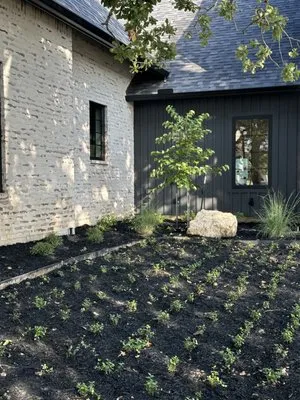
Regrowth Lawn Care & Landscaping
Regrowth Lawn Care & Landscaping is a full-service outdoor partner for Bryan homeowners, transforming yards into functional and beautiful extensions of the home. We handle the entire process, from ini...
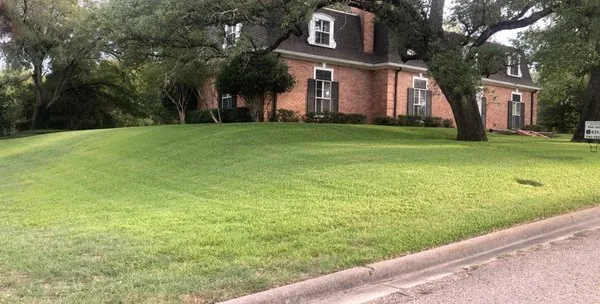
Lawn Tech is a trusted, full-service lawn care company serving Marlin, TX, and the surrounding communities. We specialize in comprehensive solutions that tackle the area's most common landscaping chal...
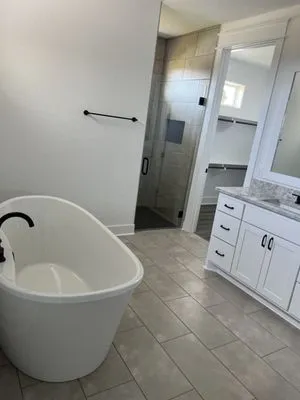
At 3GK Remodeling and Landscaping in Bryan, TX, we focus on delivering reliable home improvement and landscaping services with a commitment to quality and customer satisfaction. Our approach is built ...
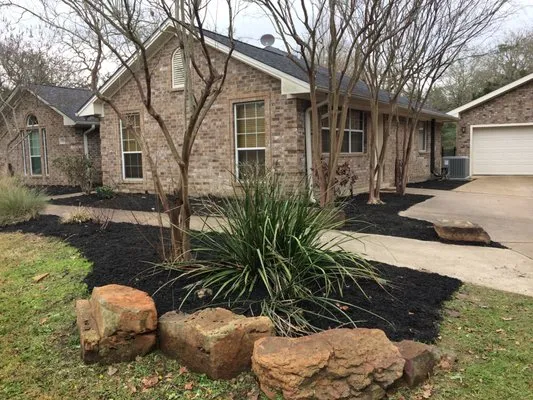
JPH Landscaping is your local Bryan and College Station partner for comprehensive tree and landscape care. We handle everything from routine shrub pruning and lawn maintenance to major landscape const...
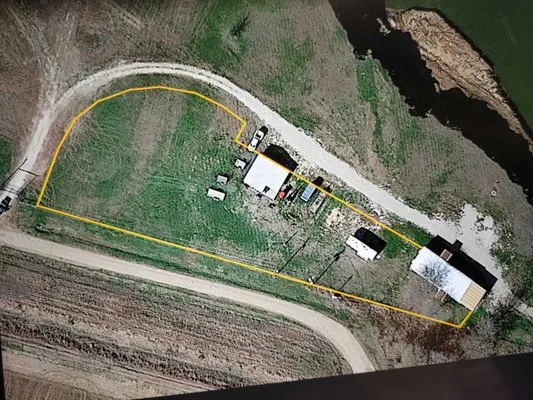
Tejas Fence And Landscape is a trusted College Station contractor specializing in fencing, gates, masonry, and comprehensive landscaping. We understand that local homes often face issues like poor law...
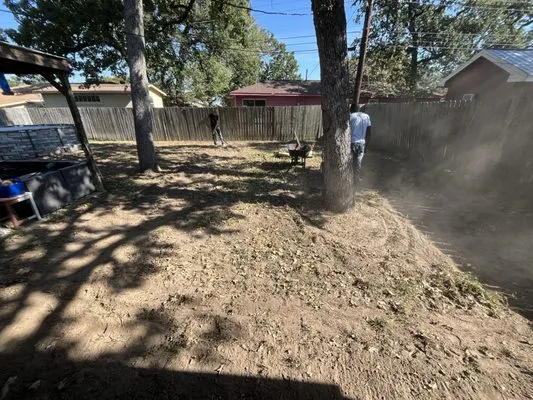
CM Sod Installation is your College Station, TX, partner for creating and maintaining beautiful, resilient outdoor spaces. We specialize in professional sod installation, landscape construction, and c...

Light Scapes
Founded in 2001 and serving the Brazos Valley with deep roots in College Station, Light Scapes brings over two decades of professional experience to landscaping and outdoor lighting. We started as Tex...
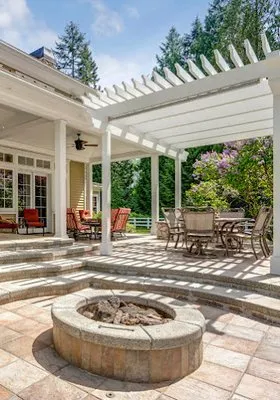
Giddings Landscaping, Tree & Lawn is a locally owned and operated full-service company with over 15 years of dedicated service to the Giddings community. We provide a comprehensive range of services, ...
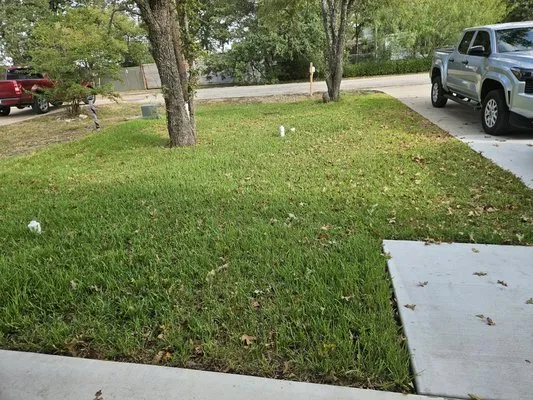
Yard Maintenance and Gardening New Image is a trusted local provider in Bryan, TX, offering comprehensive lawn and yard care services to keep properties healthy and attractive throughout the year. We ...
BTX Landscaping is a Bryan-based company built on family, friendship, and a deep understanding of Texas soil. Founded by 2022 Texas A&M Agribusiness graduate RC Nelson, we combine academic knowledge w...
Estimated Landscaping Service Costs in Franklin, TX
Q&A
How can we keep our Tifway 419 Bermuda lawn healthy during Stage 1 water restrictions?
Maintaining turf health under voluntary conservation mandates precision. A smart, Wi-Fi ET-based irrigation controller is critical; it automatically adjusts run times based on real-time evapotranspiration data from local weather stations. This system applies water only when the turf needs it, often reducing usage by 20-30% compared to standard timers. For Bermuda grass in Zone 8b, deep, infrequent watering early in the morning promotes drought-tolerant root depth while fully complying with municipal limits.
Our HOA issued a violation notice for overgrown landscaping after a storm; how quickly can a crew arrive for emergency cleanup?
For urgent HOA compliance or storm cleanup, a crew can typically be dispatched within the same business day. Our routing from the Robertson County Courthouse via State Highway 6 allows for a 20-30 minute arrival to the Franklin Historic District during standard hours. All work is scheduled within municipal noise ordinance hours of 8:00 AM to 8:00 PM, utilizing our electric maintenance fleet for quiet, immediate service.
Do we need a permit to regrade our backyard, and what kind of contractor should we hire?
Any significant grading or earth-moving on a 0.35-acre lot typically requires a permit from the City of Franklin Planning and Zoning Department to ensure proper drainage and adherence to codes. This work must be performed by a contractor licensed by the Texas Department of Licensing and Regulation (TDLR) for landscape irrigation or excavation. Hiring a TDLR-licensed professional guarantees they are bonded, insured, and trained in current best practices for erosion control and soil management, protecting your property investment.
What are low-maintenance alternatives to our high-water-use turf that will also be quieter to maintain?
Transitioning to a climate-adaptive landscape with native plants significantly reduces water and maintenance demands. A matrix of Gulf Coast Muhly grass, Texas Lantana, and Black-eyed Susan provides year-round interest with minimal irrigation once established. This xeriscape approach eliminates weekly mowing and gas-powered blowing, aligning with evolving noise ordinances and the shift to electric equipment. It also creates vital habitat, supporting local biodiversity far beyond a monoculture turf lawn.
Is crushed limestone or native sandstone a better long-term choice for patios and paths than wood?
For longevity and fire resilience, mineral-based materials are superior. Crushed limestone compacts to a firm, permeable surface, while native sandstone offers exceptional durability and a non-combustible finish. Both materials far outlast wood, which decays and requires chemical treatment. In a Moderate Fire Wise rating zone, using these materials for patios, paths, and retaining walls within the critical 30-foot defensible space perimeter reduces flammable fuel loads significantly.
We have persistent pooling and erosion on a slope; what's the best solution for our property's drainage?
Erosion on slopes here is often due to the underlying clay subsoil, which saturates and prevents drainage through the sandy loam top layer. The solution involves creating a permeable channel to redirect water. Installing a dry creek bed lined with crushed limestone or a French drain system using clean gravel provides high permeability. These methods meet the City of Franklin Planning and Zoning Department's standards for managing runoff and can be integrated seamlessly with native sandstone for a natural aesthetic.
Why is the soil in our Franklin Historic District yards so compact and difficult for water to penetrate?
Properties in this neighborhood, built around 1975, have soil that is over 50 years old. The acidic sandy loam common here has experienced decades of compaction from construction, foot traffic, and standard maintenance, which severely reduces its percolation rate. This long-term compression creates a dense layer that impedes water and root growth. Annual core aeration, combined with incorporating 2-3 inches of composted organic matter, is essential to rebuild soil structure and restore permeability.
What invasive species should we watch for in Franklin, and how do we treat them safely?
Common invasive alerts for this area include Chinese Tallow and Japanese Climbing Fern. Manual removal of seedlings and young plants is most effective. For established infestations, a targeted, systemic herbicide applied by a licensed professional during the plant's active growth phase is necessary. All treatments must strictly comply with the Texas state fertilizer ordinance, which prohibits phosphorus application on non-deficient soils, and adhere to any local blackout dates to protect watersheds.
