Top Landscaping Services in Fort Worth, TX, 76006 | Compare & Call
There are 197 landscaping companies server in Fort Worth TX
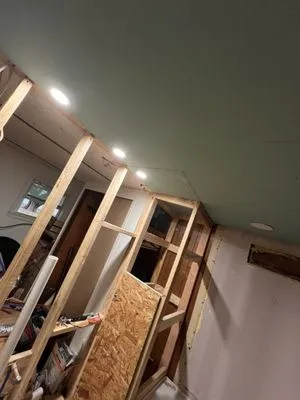
Cargill Services is a family-owned handyman company serving Cleburne, TX, and surrounding areas since 2022. Founded on principles of honesty, integrity, and professionalism, we transitioned from a sid...
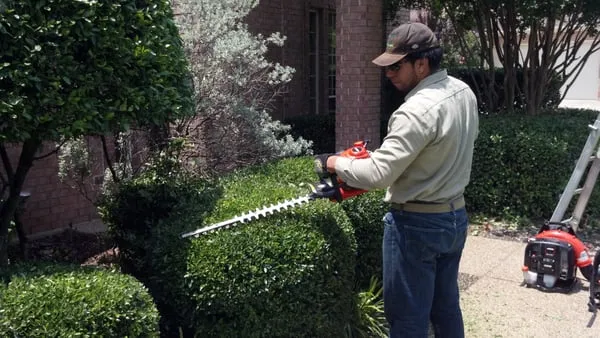
Andrew's Landscape & Land Maintenance is a Fort Worth-based landscaping company founded in 2006 by Andrew, who started by helping neighbors with yard work to earn college funds. Through reliable servi...
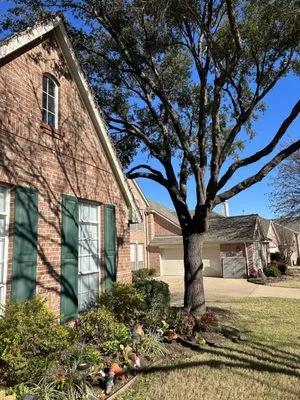
Landscape Systems Garden Center
Landscape Systems Garden Center was founded in Keller in 1985 by Ed Ruibal, whose passion for plants started with a truck and a small stand at the Dallas Farmers Market. What began as a modest operati...
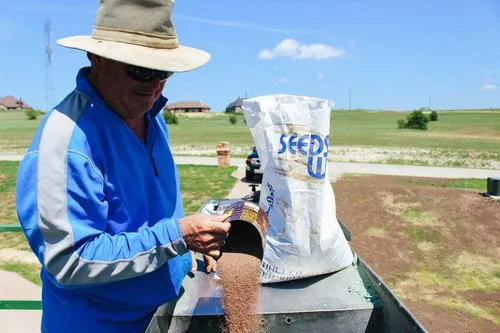
Mighty Green Hydromulch has been a trusted provider in Fort Worth and across North Texas since 1980, specializing in hydraulic mulch seeding for both residential and commercial properties. We focus on...
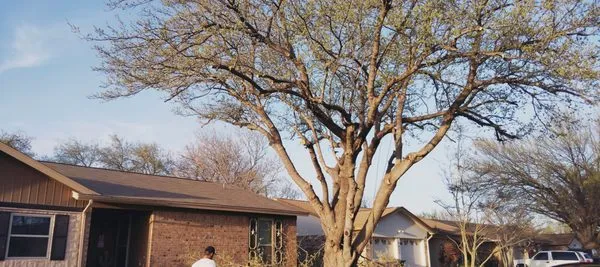
Get It Dunn Tree Service and Landscaping
Get It Dunn Tree Service and Landscaping is your trusted, locally-owned partner for comprehensive outdoor care in Watauga, TX. We specialize in a full range of services, from expert tree care, pruning...
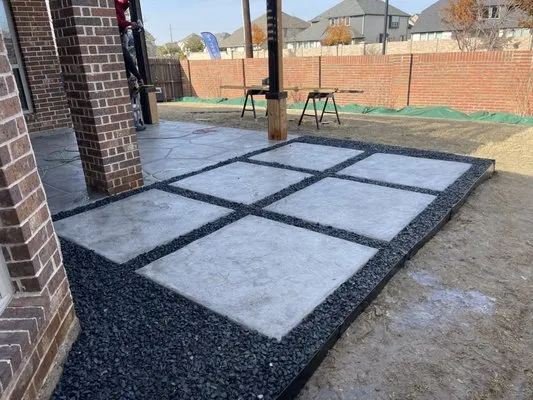
CT Outdoor Services is a full-service Lewisville landscape and irrigation company dedicated to solving common local lawn and garden challenges. We specialize in addressing the frequent issues of dead ...
Jose A Mota Lawn Service is a dedicated lawn care provider serving Fort Worth, TX, specializing in comprehensive lawn maintenance to keep local yards healthy and attractive. We understand common local...
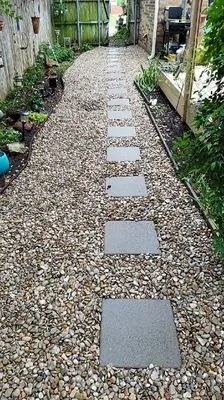
J&A Landscapes is a Mansfield-based landscaping company dedicated to transforming outdoor spaces with precision and care. For over seven years, we've built our reputation in the Fort Worth area by foc...
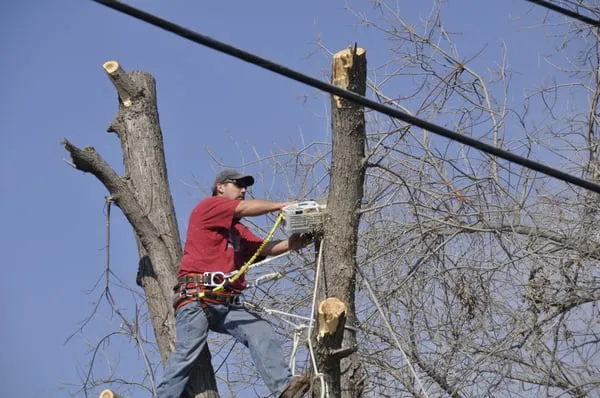
With over 15 years of dedicated service in Fort Worth, Anderton Tree Service is a trusted local name for comprehensive tree and shrub care. Founded by Michael, whose formal horticulture training at TC...
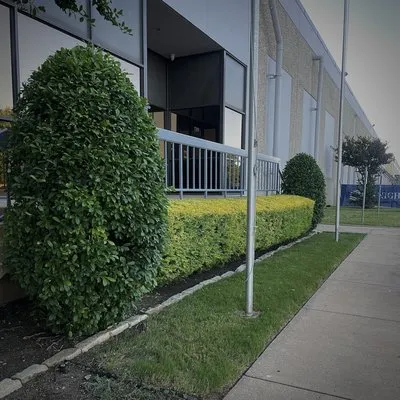
LawnDays is your Arlington-based partner for a healthier, more vibrant outdoor space. As a locally owned lawn care and landscaping service, we understand the unique challenges Arlington homeowners fac...
Estimated Landscaping Service Costs in Fort Worth, TX
FAQs
What solutions address poor drainage in Fort Worth's shrink-swell clay soils?
High shrink-swell Vertisols require engineered drainage solutions to prevent foundation issues and surface pooling. Permeable crushed granite and native limestone hardscapes allow water infiltration while meeting Fort Worth Planning & Development Department runoff standards. French drains with proper grading direct water away from structures, and soil amendments like expanded shale improve permeability. These approaches work synergistically to manage the 30-50% volume change characteristic of expansive clays during wet-dry cycles.
What permits and licenses are required for grading work on my 0.15-acre lot?
Grading projects on 0.15-acre lots typically require permits from the Fort Worth Planning & Development Department, especially when altering drainage patterns or moving more than 50 cubic yards of soil. Contractors must hold appropriate licensing through the Texas Department of Licensing and Regulation, including landscape irrigation licensing for any associated system modifications. Professional engineering review may be necessary for slopes exceeding 3:1 ratios or when working within foundation setback zones. Always verify current requirements as ordinances evolve to address urban density and stormwater management concerns.
How should I manage invasive species without violating fertilizer ordinances?
Invasive species like Bermuda grass encroachment or nut sedge require targeted treatment strategies that avoid impervious surface contamination prohibited by local ordinances. Spot applications of low-phosphorus, selective herbicides during appropriate growth stages minimize environmental impact. Mechanical removal combined with pre-emergent applications in early spring prevents spread while maintaining soil health. Always schedule treatments outside blackout dates and consider organic alternatives like vinegar-based solutions for smaller infestations in sensitive areas.
Why does my Fairmount neighborhood soil feel so compacted and alkaline?
Fairmount properties built around 1991 have 35-year-old soil profiles that developed on native alkaline Vertisols with pH 7.9-8.2. Decades of foot traffic and irrigation without soil amendments have increased compaction in these clay-heavy soils. Core aeration every 2-3 years combined with organic compost applications can improve soil structure and microbial activity. This addresses the low permeability characteristic of Vertisols while gradually moderating pH through organic matter decomposition.
How can I maintain healthy turf while following Fort Worth's twice-weekly watering restrictions?
Wi-Fi ET-based weather sensing controllers optimize irrigation by calculating actual evapotranspiration rates for your specific microclimate. These systems automatically adjust runtime based on temperature, humidity, and rainfall data, ensuring TifTuf Bermuda or Zoysia grasses receive precise moisture without exceeding Stage 1 water limits. Properly programmed controllers can reduce water use by 20-30% while maintaining turf health through deeper, less frequent watering cycles that encourage drought-resistant root development.
Why choose permeable crushed granite over wood for patios and pathways?
Permeable crushed granite and native limestone offer superior longevity in Fort Worth's climate, with 25-30 year lifespans versus wood's 8-12 years. These materials support Moderate Fire Wise ratings by creating defensible space without combustible elements, crucial in urban-wildland interface zones. Their natural permeability manages stormwater runoff while withstanding temperature extremes and clay soil movement better than composite or wood alternatives. Properly installed with geotextile barriers, they maintain stability through seasonal shrink-swell cycles.
What low-maintenance alternatives exist for traditional turf lawns?
Transitioning to native plantings like Texas Sage, Flame Acanthus, Purple Coneflower, Little Bluestem, and Gulf Muhly reduces maintenance demands by 60-80%. These species require minimal irrigation once established and eliminate weekly mowing needs from April through October. This approach aligns with evolving noise ordinances by reducing gas-blower usage for leaf cleanup, while supporting local pollinators and complying with Urban Interface fire-wise standards through proper spacing and selection.
How quickly can you respond to an emergency cleanup for HOA compliance?
Our electric maintenance fleet can dispatch from the Fort Worth Botanic Garden area within 25-40 minutes during peak traffic conditions. We route via I-30 to reach Fairmount neighborhoods while complying with noise ordinances prohibiting gas-powered equipment after 10 PM. Emergency storm response prioritizes debris removal and safety hazards, with documentation provided for HOA compliance verification. This timing accounts for both traffic variables and proper equipment preparation for the specific cleanup scope.
