Top Landscaping Services in Double Oak, TX, 75022 | Compare & Call

There are 182 landscaping companies server in Double Oak TX
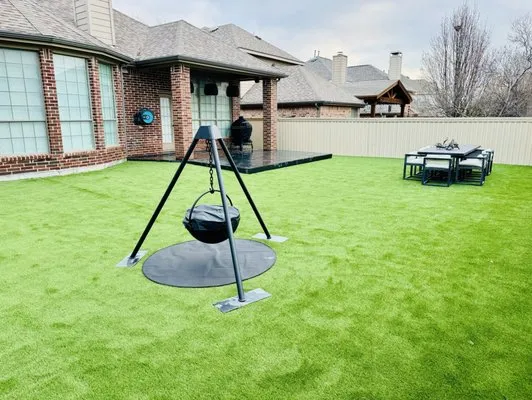
Founded in 2014, Luxe Landscapes is a Dallas-based, fully licensed landscaping and masonry company dedicated to transforming outdoor spaces across the Metroplex. Under the ownership of Leo Reyes, we b...
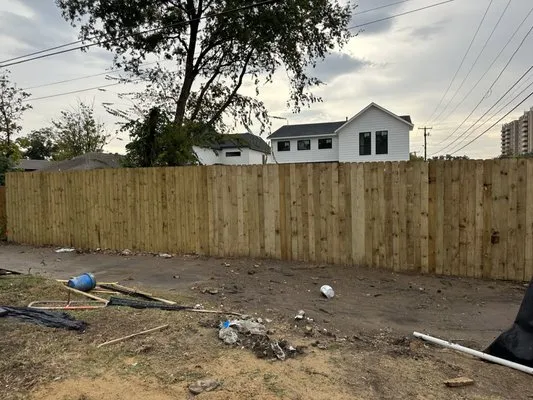
E'S Landscaping Remodeling is a Dallas-based contractor specializing in comprehensive outdoor solutions, including landscaping, fencing, gates, and masonry/concrete work. Serving the Dallas community,...
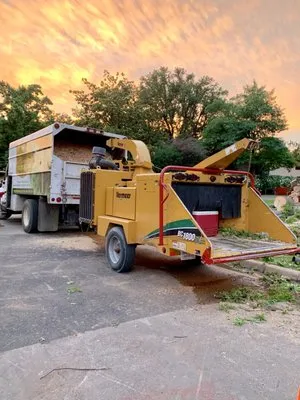
Torres Tree Service is a family-owned and operated business serving the DFW area since 2007. Based in Grand Prairie, we specialize in comprehensive tree and shrub care, from routine trimming and maint...
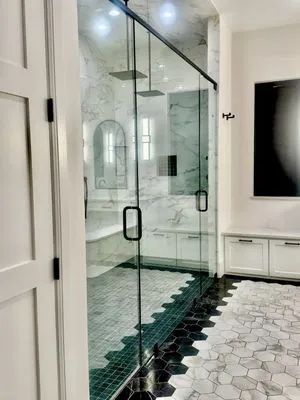
Beacon Estate Solutions is a Dallas-based consulting firm that connects local homeowners and businesses with trusted professionals for their property care needs. We specialize in simplifying the proce...
Zelaya Landscape and Tree Service is a trusted local provider in Grand Prairie, TX, specializing in comprehensive tree services and landscaping solutions. With expertise in landscape construction, mai...
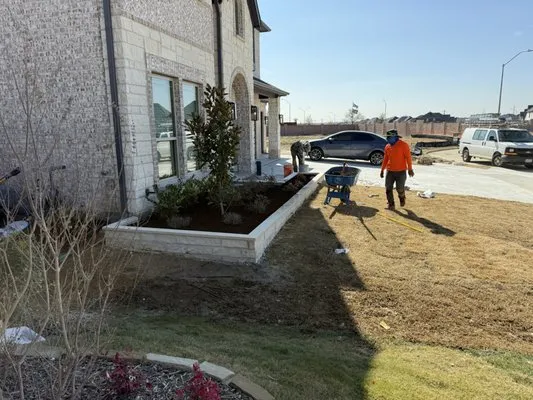
Since 2002, Rodriguez Fences Installation has been a trusted, family-owned business serving the Lewisville community. We started with a simple commitment to quality craftsmanship and have grown into a...
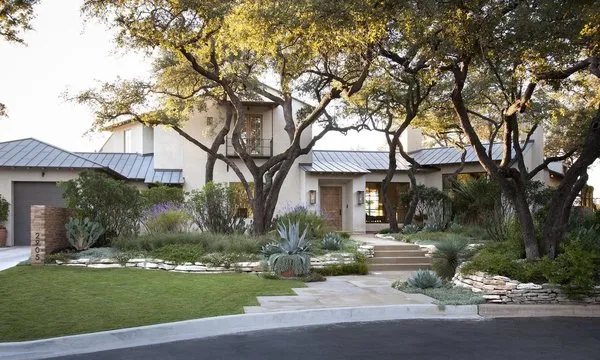
Texas Nativescapes is a Denton-based landscaping company specializing in sustainable, native-focused outdoor environments. Founded by an owner with deep roots in nature observation and cultural connec...
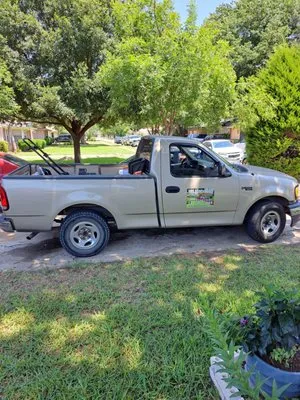
Nos Landscaping is a trusted lawn care provider serving Dallas, TX, specializing in comprehensive lawn maintenance to address common local landscaping challenges. Many Dallas homes struggle with persi...
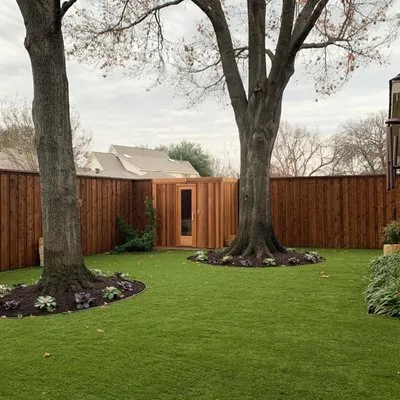
The Perfect Lawn
The Perfect Lawn is a family-owned Dallas artificial turf company founded by Kyle, who brings 20 years of landscaping design and installation experience to every project. With a background in hospital...
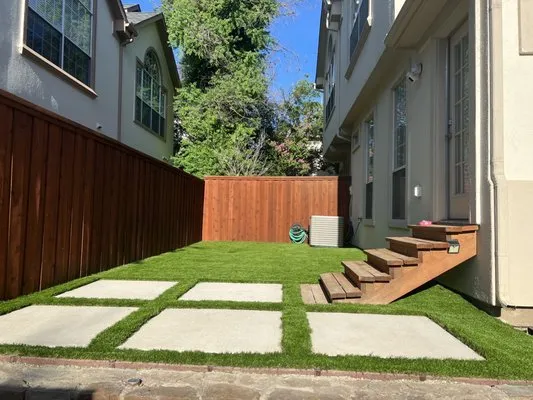
Supreme Landscaping & Fencing
Supreme Landscaping & Fencing is a Dallas-based company founded in 2009 by an owner who immigrated from Russia at age 17 and started the business while attending college. With nearly a decade of exper...
Estimated Landscaping Service Costs in Double Oak, TX
Questions and Answers
What should we do about invasive weeds like nutsedge without harming the environment?
Invasive species like yellow nutsedge thrive in poorly drained clay. Manual removal before seed set is first defense. For chemical control, we use targeted, phosphorus-free herbicides applied during active growth periods, strictly following the label and Trinity River Basin standards to prevent runoff into waterways. Timing applications outside of forecasted rain and adhering to any local blackout dates protects water quality while effectively managing the infestation.
How can we keep our lawn green during summer without violating water restrictions?
Under Stage 1 voluntary conservation, precise water management is key. We program Wi-Fi ET-based weather-sensing controllers to deliver water only when evapotranspiration data indicates a deficit, which often reduces runtime by 20-30%. For TifTuf Bermuda or Zoysia, this system applies deep, infrequent watering cycles that encourage drought-tolerant roots. This method sustains turf health while strictly adhering to municipal water budgets, preventing runoff and conserving our shared resource.
Our patio area floods after heavy rain. What's the best solution for our clay soil?
Houston Black Clay has high shrink-swell potential and poor vertical drainage, causing surface pooling. The most effective correction replaces impervious surfaces with permeable systems. Using crushed limestone or permeable concrete pavers on a gravel base creates an infiltrative layer that meets Town of Double Oak Building Inspection Department runoff standards. This design allows stormwater to percolate into the subsoil gradually, mitigating erosion and foundation water pressure common in our soil type.
Do we need a permit to regrade part of our yard for better drainage?
Yes, significant regrading on a 1.0-acre lot typically requires a permit from the Town of Double Oak Building Inspection Department. Altering drainage patterns can impact neighboring properties and municipal systems, triggering review. Furthermore, the contractor performing this work must hold appropriate licensing through the Texas Department of Licensing and Regulation (TDLR). This ensures the grading is executed to professional standards, managing the shrink-swell hazard of our clay soil responsibly.
Is crushed limestone a better choice than wood for a new garden path?
For longevity and fire resilience, crushed limestone is superior. Wood mulches decompose rapidly in our climate and can pose a fuel hazard in Double Oak's Moderate Wildland-Urban Interface rating. A compacted limestone path provides a permanent, permeable surface that contributes to defensible space. Compared to wood, it requires no replenishment, suppresses weeds more effectively, and offers better stability for the expansive clay soils found on one-acre lots.
How quickly can you respond for an emergency tree cleanup after a storm?
Our storm response protocol for Double Oak prioritizes routes from the Double Oak Town Hall via FM 407 to minimize travel through residential streets. For a typical emergency call in Double Oak Estates, we can stage a crew with an electric chipper and hauling vehicle within 25-35 minutes during peak dispatch windows. This efficient routing ensures we meet the Town's operational noise ordinance, which allows work from 7:00 AM, while swiftly addressing safety hazards like downed limbs.
Why does the soil in our yard seem so tough and compacted?
Homes in Double Oak Estates, built around 1988, sit on nearly 40-year-old landscapes where Houston Black Clay has matured. This dense, alkaline soil (pH 7.9-8.2) naturally compacts, severely limiting root growth and water percolation. Core aeration every 1-2 years, combined with top-dressing using composted organic matter, is critical to fracture the clay and build a healthier soil biome. Without this intervention, turfgrass and ornamental plants will struggle to establish deep, resilient root systems.
We want to reduce mowing and gas equipment noise. What are our options?
Transitioning perimeter zones to a climate-adaptive xeriscape with native plants like Texas Sage, Flame Acanthus, and Little Bluestem significantly reduces maintenance. These deep-rooted natives require no weekly mowing, minimal water, and support local biodiversity. This shift also future-proofs your landscape against evolving noise ordinances targeting gas-powered blowers and mowers, allowing for quieter, electric-only maintenance within the allowed 7:00 AM to 10:00 PM window.
