Top Landscaping Services in Denison, TX, 75020 | Compare & Call

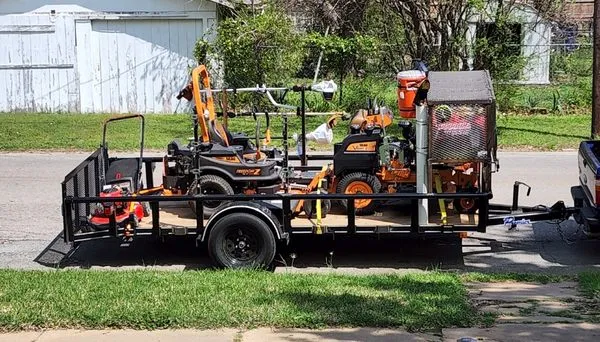
Insight Lawn Care provides professional lawn services for homeowners in Denison, TX. We understand the common local challenges, such as patchy, uneven grass and inconsistent sprinkler coverage that ca...
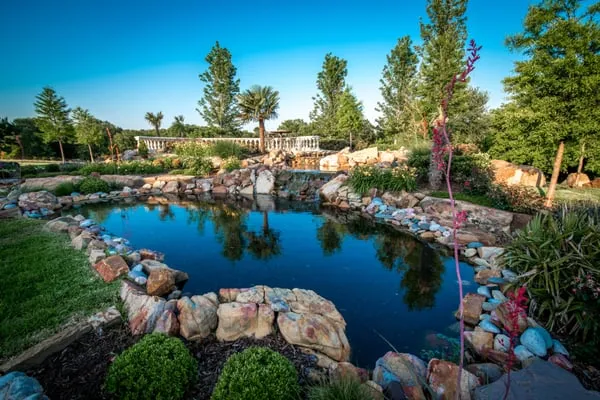
Allison Landscape & Pool Company
Founded in 1983 by Rodney Allison right here in Denison, Allison Landscape & Pool Company began as a local lawn mowing service. Over decades of serving North Texas and Southern Oklahoma, Rodney and hi...

Timberjak is a family-owned tree and lawn service company proudly serving Denison and the greater Grayson County area. Founded by owner Steve Hagan, who transitioned from a 25-year IT career, the comp...

Evan's Lawn Service is a trusted local lawn care provider serving Denison, TX, and surrounding areas. We specialize in comprehensive lawn care solutions designed to address common landscaping challeng...
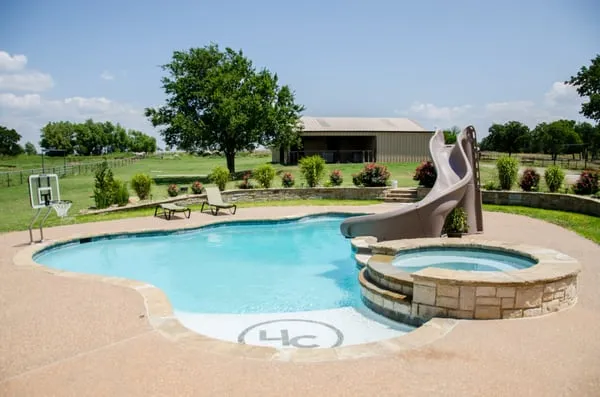
All Pro Pools Landscape & Irrigation
All Pro Pools Landscape & Irrigation is a family-owned, full-service outdoor living company based in Denison, Texas, serving North Texas and Southern Oklahoma communities like Anna, Melissa, and Celin...
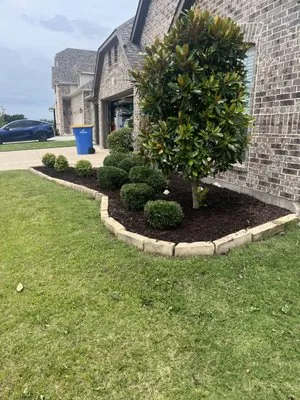
Cut Create Landscape is a Denison-based company built on a foundation of quality and a commitment to our customers' vision. We believe in doing the job right, which means working efficiently and effec...
Harrison Landscape Services
Harrison Landscape Services has been a trusted Denison name since 1978, growing from a one-person lawn service into a comprehensive local resource for all things outdoors. It all started with a simple...

Mr George's Handyman is a trusted, full-service home improvement company serving Denison, TX homeowners. We specialize in landscaping, handyman repairs, and painting services to keep your property fun...
Founded in 2000, Bill Kennedy Landscape is a full-service Denison landscaping company built on expertise and a passion for the local environment. Owner Gail brings formal education in horticulture and...

Canter GCS is a family-owned general contracting company that has been serving Denison, TX, since 2019. Founded by Joe after seeing a relative's struggle to coordinate multiple home projects, the comp...
Frequently Asked Questions
How quickly can you respond to an emergency tree cleanup after a storm in my Denison neighborhood?
Our electric maintenance fleet can dispatch from Munson Park within 20-30 minutes during peak storm response periods. We route via US-75 to access Downtown Denison Historic District while complying with the 10 PM to 7 AM noise ordinance. This timing ensures HOA compliance for debris removal while minimizing disruption. Our equipment meets current electric vehicle standards for quiet operation during restricted hours.
Why does my Denison Historic District yard have such hard, compacted soil that won't drain properly?
Most homes in Downtown Denison Historic District were built around 1969, giving the Houston Black Clay soil 57 years to settle and compact without significant organic amendment. This alkaline soil (pH 7.5-8.2) naturally develops poor permeability over decades, restricting root growth and water movement. Annual core aeration combined with compost topdressing can reintroduce pore space and microbial activity. The clay's shrink-swell characteristics intensify with age, making soil structure restoration essential for plant health.
What permits and licenses are needed for grading work on my 0.22-acre Denison property?
Grading projects exceeding 500 square feet require permits from Denison Planning and Development Department to ensure proper drainage and erosion control. Contractors must hold Texas Department of Licensing and Regulation certification for earthwork operations. On 0.22-acre lots, even minor grading can impact neighboring properties and municipal storm systems. Professional licensing ensures compliance with local ordinances and protects against liability from improper soil disturbance.
What native plants could replace high-maintenance turf to reduce water and noise issues?
Transitioning to Texas Sage, Purple Coneflower, Flame Acanthus, Little Bluestem, and Eastern Redbud creates a climate-adaptive xeriscape that requires minimal irrigation. These natives support local pollinators while reducing mowing frequency and associated noise. As municipalities phase out gas-powered equipment, native plantings eliminate the need for weekly maintenance during April-October. This approach aligns with 2026 biodiversity standards while creating defensible space for WUI Zone 2 compliance.
How can I maintain healthy TifTuf Bermuda grass while following Denison's water conservation rules?
Wi-Fi ET-based weather sensing irrigation systems automatically adjust watering schedules based on real-time evapotranspiration data. This technology reduces water use by 20-30% while keeping TifTuf Bermuda within its optimal moisture range. During Stage 1 voluntary conservation, these systems prevent overwatering that violates municipal guidelines. Properly calibrated ET controllers account for Denison's specific microclimate conditions, delivering water only when plants actually need it.
Should I choose crushed limestone or wood for patio materials in fire-prone areas?
Crushed limestone and permeable concrete offer superior longevity and fire resistance compared to wood in Denison's Moderate fire risk zones. These non-combustible materials maintain defensible space requirements for WUI Zone 2 compliance. Unlike wood that requires regular treatment and replacement, mineral-based hardscapes withstand clay soil movement without degradation. Their permeability also reduces runoff that could transport embers during fire events.
What's the best solution for drainage problems caused by Denison's expansive clay soil?
Houston Black Clay's high shrink-swell expansion requires permeable hardscaping to manage runoff. Crushed limestone and permeable concrete installations create infiltration zones that meet Denison Planning and Development Department standards. These materials allow water to percolate through rather than pooling on the surface. Proper grading with permeable surfaces prevents foundation damage while reducing stormwater system overload during heavy rains.
How do I control invasive species without violating Denison's fertilizer regulations?
Invasive species like Chinese privet and Japanese honeysuckle require targeted mechanical removal followed by organic amendments. TCEQ guidelines permit phosphorus-free fertilizers that won't contribute to runoff issues. Timing applications outside of blackout dates ensures compliance while supporting soil health. Integrating mycorrhizae inoculants with native plantings creates competitive ecosystems that resist reinvasion without chemical dependence.
