Top Landscaping Services in Dayton, TX, 77535 | Compare & Call
There are 203 landscaping companies server in Dayton TX

H R Outdoor Services is a trusted, locally-owned provider in Pasadena, TX, offering comprehensive solutions for common residential outdoor problems. We specialize in junk removal & hauling, lawn care,...
Moises Velasquez is a trusted tree service and landscaping professional serving Webster, TX, and the surrounding communities. With many years of hands-on experience, Moises and his team specialize in ...
Gamez Express is a Houston-based landscaping company dedicated to solving common local lawn problems like bare patches and insect damage. Serving the Houston community, we provide expert solutions to ...
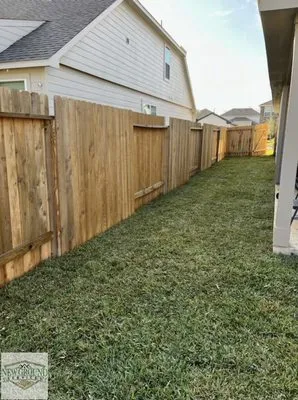
New Ground Services LLC is a Houston-based landscaping company built on a foundation of quality, honesty, and deep local expertise. We focus on doing fewer projects exceptionally well, using our years...
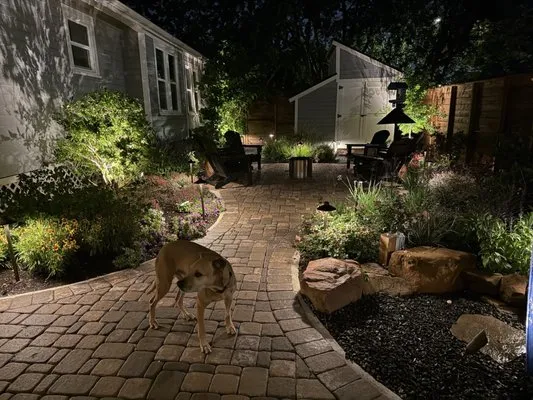
Vista Irrigation & Lighting is a Spring, TX-based irrigation and landscaping company that transforms outdoor spaces into functional, beautiful areas. Serving the local community, they specialize in co...
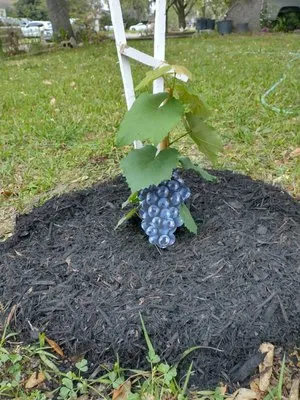
J&R Landscaping and Construction is a Houston-based company dedicated to transforming and maintaining outdoor spaces for local homeowners. We offer a comprehensive range of services, from initial land...

For over three decades, Landscape & Design has been helping Houston homeowners create and enjoy beautiful, well-maintained outdoor spaces. We are a full-service, licensed, and insured landscaping comp...
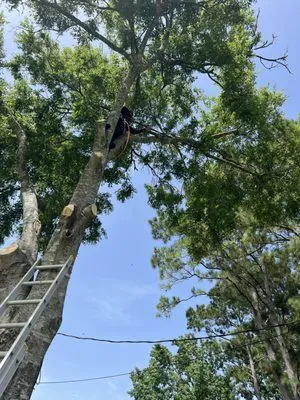
As a family-owned tree service and landscaping business serving Baytown, TX, we understand the unique challenges homeowners face in our community. From tree root damage disrupting lawns to irrigation ...
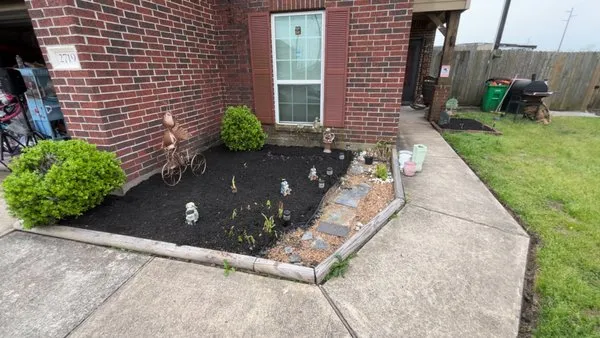
Hoovers Landscaping and Lawn Care is a Highlands, TX-based company dedicated to transforming outdoor spaces into beautiful, sustainable environments. We specialize in lawn care and tree services, focu...
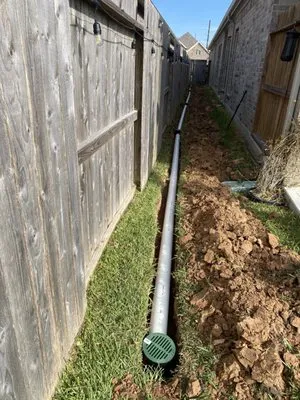
Whit Love Lawn Care Service is a trusted Houston-based provider specializing in comprehensive lawn care solutions tailored to the unique challenges of the local climate. Serving homeowners and busines...
Estimated Landscaping Service Costs in Dayton, TX
Common Questions
Should I replace some lawn with native plants to reduce maintenance?
Transitioning 30-50% of turf to Gulf Muhly, American Beautyberry, and Turk's Cap reduces mowing frequency while supporting 2026 biodiversity standards. These natives require no fertilization, align with nitrogen/phosphorus runoff BMPs, and provide year-round habitat. Electric maintenance equipment for native zones operates below noise ordinance thresholds, and established plantings need only seasonal pruning, creating fire-wise defensible space compliant with WUI Zone 2 requirements.
Why does my Dayton yard have such heavy clay soil that seems to repel water?
Dayton's Downtown neighborhood lots, built around 1996, have 30-year-old soil profiles that have compacted over time. The acidic clay loam common here naturally has low permeability, which worsens with age as organic matter decomposes and soil structure collapses. Core aeration every 2-3 years introduces oxygen channels, while adding 2-3 inches of composted organic matter annually improves water infiltration and supports mycorrhizae networks. This addresses the pH 5.5-6.5 range while preventing the hardpan formation typical in older Vertisols.
What permits and licenses are needed for grading my 0.25-acre Dayton property?
Grading on 0.25-acre lots requires Dayton Planning & Development Department permits for earth moving exceeding 50 cubic yards, plus Texas Department of Licensing and Regulation certification for landscape contractors. Professional licensing ensures proper erosion control during construction, with engineered plans addressing the property's slope and drainage patterns. Unlicensed grading risks fines up to $5,000 and voided insurance coverage, particularly important in Downtown Dayton's established neighborhood contexts.
Can I maintain St. Augustine grass while following Dayton's water conservation rules?
Yes, Wi-Fi ET-based weather sensing irrigation systems precisely match evapotranspiration rates to Stage 1 voluntary conservation standards. These controllers adjust runtime based on real-time weather data, applying 0.75-1 inch weekly during peak season while avoiding runoff. For TifTuf Bermuda alternatives, we program 30% less water than conventional schedules, maintaining turf health within municipal limits through deep, infrequent watering that encourages drought-tolerant root development.
Are permeable pavers better than wood for Dayton patios considering fire risk?
Permeable concrete pavers outperform wood for longevity and fire-wise compliance, with 40+ year lifespans versus wood's 10-15 years. They create non-combustible defensible space meeting Moderate WUI Zone 2 ratings, while crushed granite options provide similar fire resistance with superior drainage. Both materials maintain 5-foot clearance from structures without decomposing, unlike wood that requires chemical treatments potentially conflicting with runoff ordinances.
How quickly can you respond to an emergency tree cleanup after a storm in Dayton?
Emergency storm response from the Dayton Community Center via US-90 typically requires 25-40 minutes during peak conditions. Our electric maintenance fleet operates below 65 dBA daytime noise limits, allowing rapid deployment without ordinance violations. For HOA compliance issues, we prioritize same-day assessment when routing through Downtown Dayton's grid pattern, coordinating with local arborists certified for immediate hazard mitigation in residential zones.
How do I control invasive species without harming my Dayton landscape?
For invasive species like Chinese privet or Japanese climbing fern, we apply targeted herbicide during dormancy periods outside fertilizer ordinance blackout dates. Manual removal precedes treatment, with follow-up monitoring for regrowth. Soil testing determines if pH adjustment from 5.5-6.5 would discourage invasives, while introducing competitive natives like Yaupon Holly and Black-eyed Susan creates ecological resistance without violating phosphorus runoff restrictions.
What's the best solution for poor drainage in my Dayton yard's clay soil?
Dayton's poorly drained Vertisols require permeable hardscapes to meet Planning & Development Department runoff standards. Crushed granite or permeable concrete pavers achieve 5-10 inches per hour infiltration rates, redirecting high runoff from structures. We combine these with French drains lined with geotextile fabric and 2% slope grading, creating subsurface channels that bypass the clay's slow percolation while preventing erosion during heavy rain events common in Zone 9a.
