Top Landscaping Services in Dallas, TX, 75006 | Compare & Call


NorthCentral Outdoor Services is a Dallas-based landscaping and outdoor construction company founded in 2020, bringing over 15 years of industry experience to every project. We specialize in comprehen...
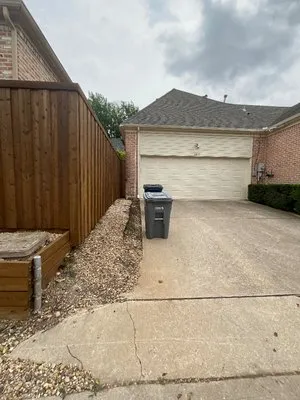
For over 22 years, Polo Landscapes has been a dedicated part of the Dallas-Fort Worth landscaping community. Our journey began in the late 90s, where hands-on experience across both commercial and res...
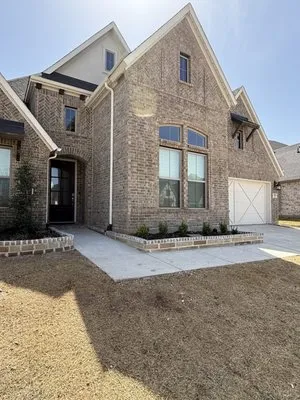
Guerrero Landscape is a licensed and insured landscaping company serving Dallas, TX, since 2011. Founded by Alex, who brings over a decade of hands-on experience, the business focuses on delivering qu...
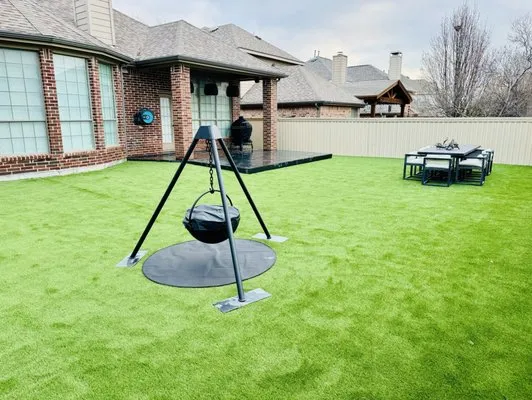
Founded in 2014, Luxe Landscapes is a Dallas-based, fully licensed landscaping and masonry company dedicated to transforming outdoor spaces across the Metroplex. Under the ownership of Leo Reyes, we b...
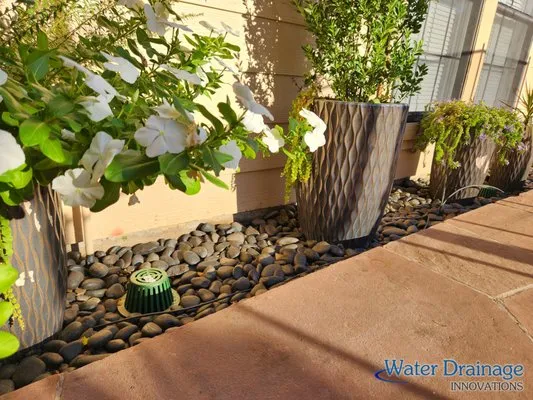
Water Drainage Innovations is a licensed drainage and irrigation company serving Dallas, TX, with over a decade of local experience. Led by Dennis Martinez, a Licensed Landscape Irrigator, the company...

Jose, the owner of Ayala's Landscaping & Tree Service, has built this Dallas-based business over the past 15 years with a foundation in family and community. His dedication stems from a passion for th...
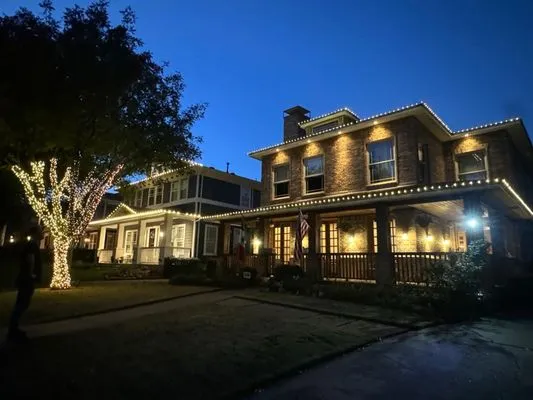
Tulum Landscape is a Dallas-based landscaping and tree service provider dedicated to enhancing and maintaining North Texas properties. We specialize in solving common local challenges like lawn fungus...
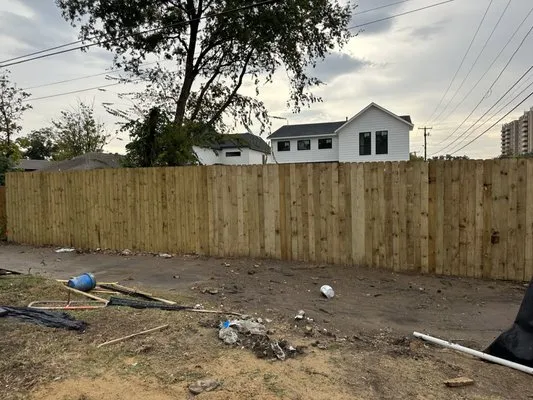
E'S Landscaping Remodeling is a Dallas-based contractor specializing in comprehensive outdoor solutions, including landscaping, fencing, gates, and masonry/concrete work. Serving the Dallas community,...
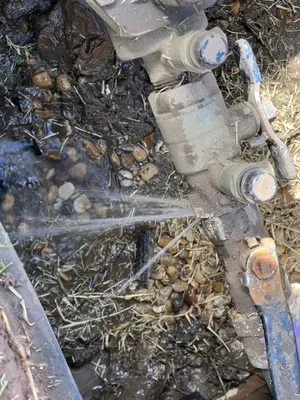
TMT Sprinklers Repair & Services is a trusted, family-owned provider in Dallas, TX, dedicated to comprehensive irrigation and landscape care. We specialize in everything from sprinkler system repairs ...
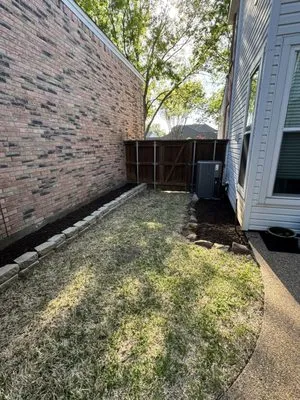
Texas Sage Landscaping & Lawn is your Dallas-based solution for common lawn and landscaping challenges. We understand that many local homeowners struggle with issues like standing water in yards and p...
FAQs
What permits and licenses are required for grading and drainage work on our 0.35-acre property?
Dallas Development Services requires grading permits for any significant earth movement or drainage modification on your 0.35-acre lot. Contractors must hold Texas Department of Licensing and Regulation credentials for landscape irrigation and excavation work. Professional licensing ensures proper engineering for water management across property lines and compliance with municipal runoff regulations. Unlicensed grading can exacerbate foundation issues and create liability for downstream water damage.
How quickly can you respond to emergency storm damage cleanup for HOA compliance?
Our electric maintenance fleet operates within Dallas noise ordinance hours (7 AM to 10 PM) for immediate response. From Klyde Warren Park, we route via US-75 North Central Expressway to reach Highland Park within 25-40 minutes during peak conditions. This rapid deployment addresses fallen limbs, debris clearance, and safety hazards while meeting HOA appearance standards. Our battery-powered equipment maintains quiet operation throughout the cleanup process.
How do we maintain TifTuf Bermuda grass under Dallas' Stage 1 twice-weekly watering restrictions?
Wi-Fi ET-based weather sensing controllers optimize irrigation by calculating evapotranspiration rates specific to your microclimate. These systems adjust watering schedules based on real-time weather data, soil moisture sensors, and plant water requirements. For TifTuf Bermuda or Zoysia grasses, this technology delivers precise hydration during critical growth periods while staying within municipal limits. Proper programming can reduce water usage by 30-50% compared to traditional timer-based systems while maintaining turf health.
Our foundation shows stress cracks - how does Houston Black Clay drainage affect this and what solutions work?
High shrink-swell clay expansion creates foundation stress through uneven moisture absorption and drying cycles. Permeable Austin Chalk or Limestone pavers installed with proper base materials allow water infiltration rather than surface runoff. This approach manages the 0.35-acre lot's hydrology while meeting Dallas Development Services runoff standards. Strategic grading directs water away from structures, and French drain systems intercept subsurface moisture before it reaches foundation walls.
Why choose permeable limestone over wood for patios and pathways in our fire-wise zone?
Permeable limestone pavers offer superior longevity with minimal maintenance compared to wood's decay and replacement cycle. In moderate Urban Wildland Interface zones, non-combustible materials create defensible space by eliminating fuel sources near structures. The natural thermal mass of limestone moderates temperature extremes, while its permeability manages stormwater runoff. This hardscape choice withstands Houston Black Clay's expansion cycles without heaving or cracking that plagues concrete alternatives.
What native plant options reduce maintenance while preparing for stricter noise and emissions regulations?
Transitioning from high-maintenance turf to Texas Sage, Purple Coneflower, Flame Acanthus, Little Bluestem, and Gulf Muhly creates resilient, low-water landscapes. These natives require minimal mowing and eliminate gas-powered blower use ahead of tightening noise ordinances. Deep root systems improve soil structure and support local pollinators while providing year-round visual interest. This approach aligns with Urban Wildland Interface awareness by creating defensible space with fire-adapted species.
What invasive species threaten Dallas landscapes and how do we treat them safely?
Chinese privet, Japanese honeysuckle, and Bermuda grass encroachment present significant threats in USDA Zone 8b. Treatment requires careful timing outside Dallas fertilizer ordinance blackout periods and avoids phosphorus applications without soil test documentation. Mechanical removal combined with targeted organic herbicides applied during active growth phases manages infestations. Regular monitoring prevents re-establishment while supporting native plant communities through proper soil amendment and mulching practices.
Our Highland Park home was built in 1979 - what does that mean for our soil health after nearly 50 years?
With soil maturity calculated at 47 years (2026 minus 1979), your Houston Black Clay has undergone significant compaction from decades of foot traffic and conventional maintenance. Highland Park's development era means most lots share this alkaline soil profile with pH 7.8-8.2, which restricts nutrient availability. Annual core aeration combined with organic amendments like composted pine bark fines improves soil structure and microbial activity. This addresses the clay's natural shrink-swell tendency while enhancing water infiltration for healthier root systems.
