Top Landscaping Services in Dalhart, TX, 79022 | Compare & Call

There are 181 landscaping companies server in Dalhart TX
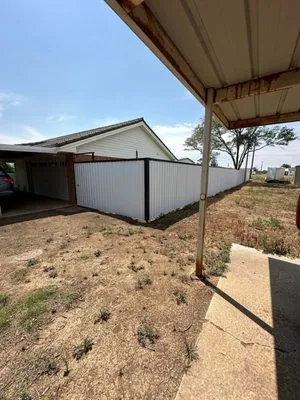
DW's Fence & Landscape in Amarillo, TX, is a locally-owned and operated company dedicated to enhancing outdoor spaces with integrity and skill. We specialize in comprehensive fencing solutions, from i...
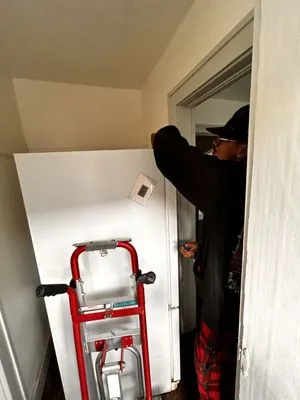
Madrigal Junk Removal is your local, full-service solution for property cleanup and maintenance across the Texas Panhandle. Based in Amarillo, we provide both residential and commercial services, hand...
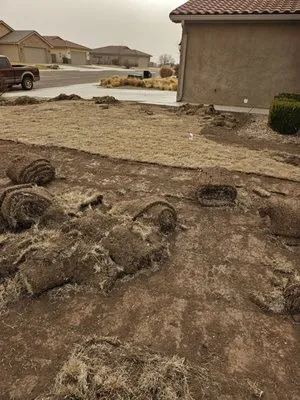
Rock & Sons Irrigation is a trusted, full-service landscaping and irrigation company serving Amarillo, TX, and the surrounding Panhandle. We understand the unique challenges local homeowners face, inc...
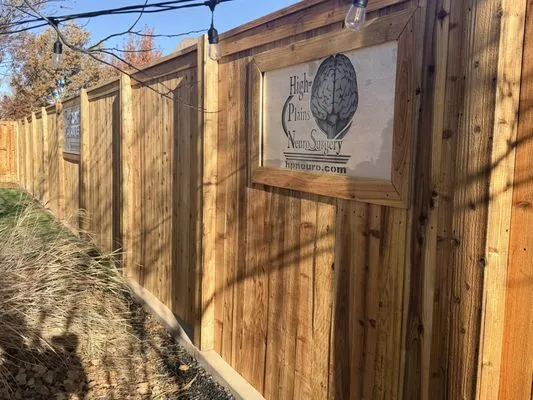
For over a decade, BRW Landscaping has been the trusted local partner for Canyon and Amarillo homeowners looking to build and care for their outdoor spaces. Our certified technicians combine hands-on ...
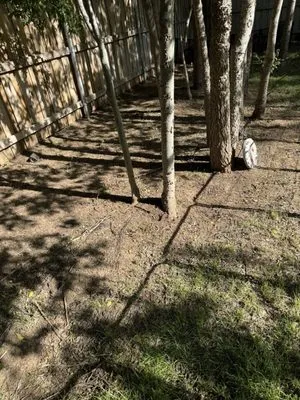
Since 2005, Kings Lawn has been a trusted name in Amarillo for creating and maintaining beautiful, functional outdoor spaces. We specialize in transforming yards with durable artificial turf installat...
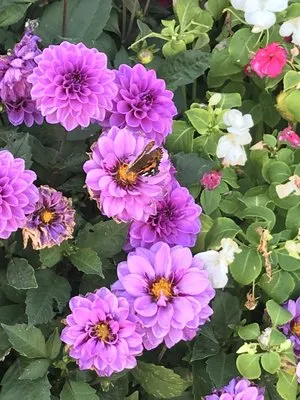
Amarillo Lawnmaster is a locally owned and operated landscaping company with deep roots in the Texas Panhandle. Founded in 1984 by Daryl Seth, the business started from his home and has grown into a d...

Dependable Lawn Pros has been a trusted name in Amarillo lawn care since 2015. We believe consistent, reliable service is the foundation of a healthy, beautiful property. Our team focuses on clear com...
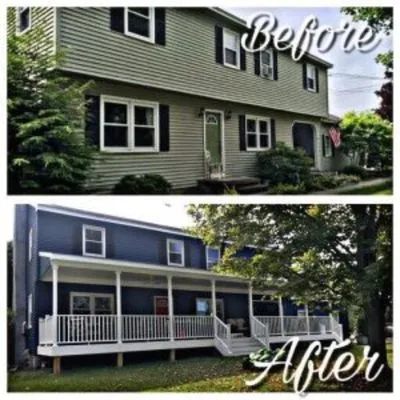
LandHand in Amarillo, TX, is a locally owned business with over a decade of experience in landscaping, handyman services, and pressure washing. We specialize in transforming properties by addressing c...
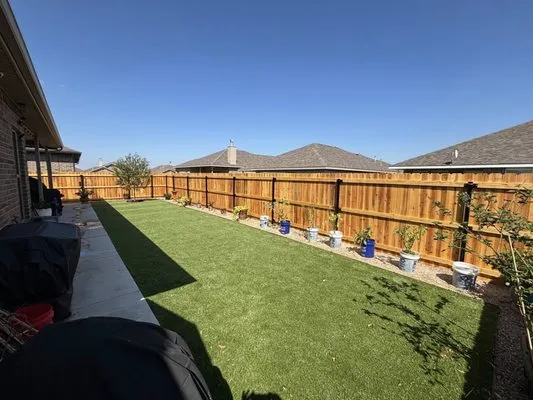
Sprinkler Pros Of Amarillo is a trusted, locally-owned contractor serving the Texas Panhandle. We specialize in comprehensive irrigation solutions—from design and construction to 24/7 emergency repair...
Perfect Cut Lawn Care is your trusted, local lawn and irrigation expert in Amarillo, TX. We specialize in comprehensive lawn care, irrigation system design, construction, and repair. Serving the Amari...
Estimated Landscaping Service Costs in Dalhart, TX
FAQs
What permits and qualifications are needed for regrading our quarter-acre lot?
Any significant regrading that alters drainage patterns or involves retaining walls over 4 feet requires a permit from the Dalhart City Planning and Zoning Department. On a 0.25-acre lot, such earthwork must be performed by a contractor licensed by the Texas Department of Licensing and Regulation for landscape irrigation or excavation. This ensures the work complies with city codes, protects adjacent properties, and is performed to engineering standards that prevent future erosion or foundation issues.
We're adding a patio. Is local sandstone better than wood for our high plains location?
Local Native Sandstone is superior to wood for durability and fire resilience. It withstands freeze-thaw cycles and high UV exposure without rotting or warping. Crucially, in Dalhart's Moderate Fire Wise rated grassland interface, non-combustible stone provides critical defensible space. A properly installed sandstone patio requires no chemical treatments, aligns with the landscape's aesthetic, and has a lifespan measured in decades, not years.
Why does the soil in our Central Residential neighborhood seem so hard and dry?
Properties in Dalhart's Central Residential area, typically developed around 1978, have nearly 50 years of soil compaction from construction and maintenance. The dominant Dalhart Fine Sandy Loam, with its alkaline pH of 7.5-8.2, naturally forms a dense surface crust that impedes water infiltration. This compaction, combined with high wind erosion, has depleted organic matter, creating a hydrophobic layer. Core aeration followed by top-dressing with composted manure is the foundational correction to rebuild soil structure and permeability.
Is there a lower-maintenance, quieter alternative to a traditional lawn?
Transitioning to a xeriscape of regionally native plants like Blue Grama, Sand Sagebrush, and Indian Blanket significantly reduces water, mowing, and blowing needs. This biodiversity-focused landscape is inherently climate-adaptive and stays ahead of evolving noise ordinances that restrict gas-powered equipment. The resulting habitat requires minimal inputs, eliminates weekly mowing noise, and provides superior habitat value compared to a monoculture turf.
We have an HOA compliance notice for overgrowth. How quickly can you respond?
An Emergency Cleanup dispatch for HOA compliance is a standard service. Our crew routes from the Rita Blanca Lake Park depot via US-54, reaching most Dalhart Central Residential addresses within the 15-20 minute standard response window. We coordinate initial debris removal to meet immediate notice deadlines, followed by a scheduled visit for the detailed landscape restoration required for long-term compliance, all within local noise ordinance hours.
What are the major weed threats here, and how do we handle them safely?
Field Bindweed and Russian Thistle are pervasive invasive species alerts for this area. Management requires a targeted, seasonal strategy. Post-emergent herbicides are most effective in late spring, but application must avoid drift and adhere to Texas state standard fertilizer ordinances, which have no specific municipal bans but do outline proper use. For organic control, consistent manual removal before seed set, combined with a thick mulch layer in mid-March, suppresses germination.
Water pools in our yard after a rain, then the top inch blows away. What's the solution?
This describes the dual hazard of low infiltration and wind erosion inherent to Dalhart Fine Sandy Loam. The solution is a integrated approach: first, amend soil with organic matter to improve percolation. Second, design hardscapes using permeable systems of local Native Sandstone, which allow runoff to seep through rather than sheet off. This combination meets City Planning and Zoning Department runoff standards while stabilizing the soil surface against prevailing winds.
How do we keep our Buffalograss green under Dalhart's water restrictions?
Stage 1 voluntary conservation is best managed with precision. Smart Wi-Fi ET-based irrigation controllers are essential; they automatically adjust runtime based on real-time evapotranspiration data, preventing overwatering. For Buffalograss or Blue Grama, this means deep, infrequent cycles that encourage profound root growth and drought tolerance. This technology optimizes every gallon within municipal guidelines, often reducing usage by 20-30% compared to traditional timer systems.
