Top Landscaping Services in Cypress, TX, 77410 | Compare & Call

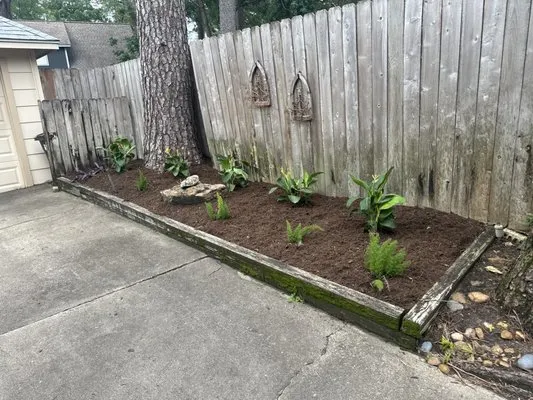
Donna Reynolds is a passionate and creative spirit who finds joy in connecting with others through genuine moments of laughter and shared adventures. She’s you are, but let’s keep teasing me and makin...
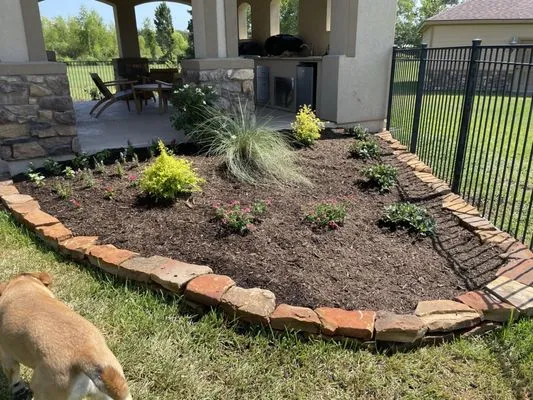
Rolen Management Services is a trusted, full-service landscaping and construction company serving Cypress and the surrounding areas. We specialize in creating and maintaining beautiful, functional out...
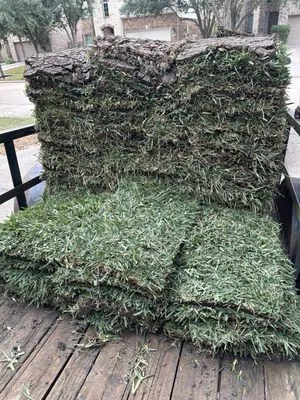
290 Grass is a family-owned and operated business serving the Cypress, Texas community. Our mission is to provide quality landscaping supplies, focusing on the specific needs of local homeowners. We u...
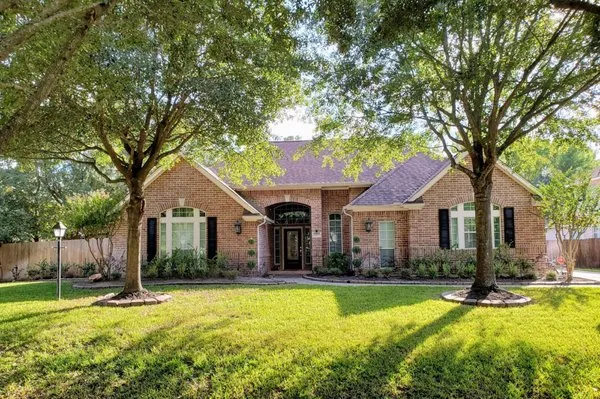
JaySal Landscaping is a trusted local lawn care provider serving Cypress, TX, specializing in lawn services, fences & gates, and pressure washing. We understand common Cypress landscaping challenges l...
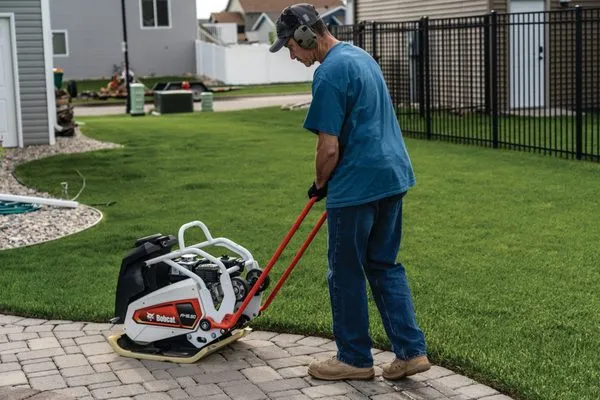
Cypress Lawn & Turf Equipment is a dedicated resource for Cypress homeowners and professionals seeking reliable outdoor power equipment. As your local Bobcat dealer, we provide sales, service, parts, ...
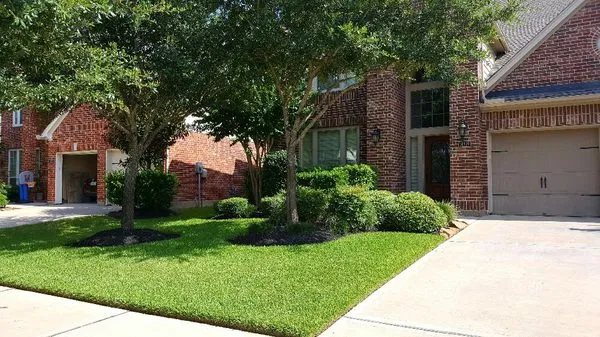
Fairfield Lawn Mowing Service, led by owner Matt Nartowski, is a trusted, locally-owned landscaping provider in Cypress, TX. As a hands-on owner and a core member of the crew, Matt brings a practical,...
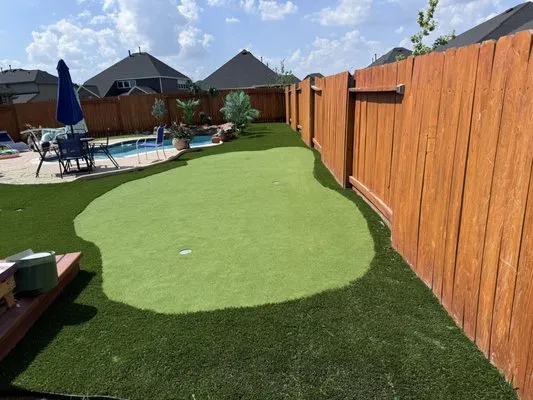
Turf Source
Turf Source in Cypress is your local partner for transforming outdoor spaces with durable, low-maintenance artificial turf and expert landscaping. We specialize in creating custom solutions, from putt...
Pro Turf Landscaping is a trusted local landscaping company serving Cypress, TX. We specialize in diagnosing and correcting the most common lawn challenges faced by area homeowners. Cypress properties...
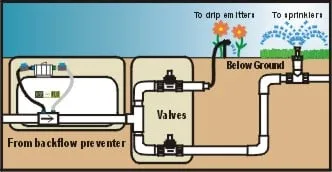
Applied Sprinkler Solutions is your Cypress neighbor for a healthy, beautiful yard. Founded by Matt, a Houston native and Texas A&M graduate, our locally owned business combines technical expertise wi...

Ultra Custom Pools
Ultra Custom Pools is your dedicated partner for transforming outdoor spaces in Cypress and the greater Houston area. We are a full-service custom pool and backyard builder, handling every aspect of y...
Question Answers
Why does my Fairfield yard have such dense clay soil that won't drain properly?
Cypress's Vertisols clay loam soil naturally compacts over time, and with Fairfield homes averaging 47 years since construction in 1979, decades of foot traffic and mowing have reduced permeability. This soil type has high shrink-swell characteristics that worsen with age, creating hardpan layers that restrict water movement. Core aeration combined with organic amendments like composted pine bark improves soil structure by increasing pore space. Regular soil testing every 2-3 years helps monitor pH levels between 7.2-7.8 to maintain optimal nutrient availability.
How quickly can you respond to an emergency tree cleanup after a storm in Cypress?
Emergency response from Cypress Top Historic Park via US-290 typically requires 45-60 minutes during peak traffic conditions, accounting for debris clearance and safe equipment transport. Our electric maintenance fleet operates within noise ordinance restrictions from 7:00 AM to 10:00 PM, allowing immediate morning deployment. We prioritize HOA compliance issues involving fallen limbs or blocked access, with real-time route optimization to navigate post-storm conditions. This timing ensures regulatory compliance while addressing urgent safety concerns.
How can I maintain my St. Augustine grass during Stage 1 water restrictions?
Wi-Fi ET-based weather sensing controllers optimize irrigation by calculating evapotranspiration rates specific to Cypress's microclimate, reducing water use 20-30% while preserving turf health. These systems automatically adjust schedules based on real-time weather data, ensuring Raleigh or Palmetto St. Augustine varieties receive precise moisture without exceeding municipal limits. Deep, infrequent watering cycles encourage deeper root growth that better withstands drought periods. Regular system audits prevent runoff on clay soils, maintaining compliance with voluntary conservation measures.
What permits and licenses are needed for grading my 0.22-acre lot?
Grading projects exceeding 50 cubic yards of earth movement require Harris County Engineering Department permits, with specific erosion control plans for clay soils. Contractors must hold Texas Department of Licensing and Regulation landscape irrigation licenses for any drainage system installation. Professional engineering stamps may be necessary for slopes exceeding 3:1 ratios on Fairfield's typical lots. These requirements ensure proper water management and prevent downstream impacts, with inspections verifying compliance before final approval.
Is crushed limestone better than wood for Cypress patios and pathways?
Crushed limestone offers superior longevity in Cypress's climate, with 25+ year service life compared to wood's 8-12 years before replacement. This material provides excellent permeability for clay soils while creating defensible space important for Moderate Firewise ratings. Unlike wood, limestone doesn't require chemical treatments that can leach into soil, and its light reflectance reduces heat island effect. Properly compacted limestone bases withstand shrink-swell cycles better than wooden structures prone to shifting.
What solutions work best for poor drainage in Cypress's clay soil?
High shrink-swell clay soils with poor permeability require integrated drainage approaches beginning with French drains or dry creek beds that redirect surface water. Permeable concrete or crushed limestone hardscapes allow water infiltration while meeting Harris County Engineering Department runoff standards. Grading adjustments with 2% minimum slope prevent ponding, supplemented by rain gardens planted with water-tolerant natives. These systems work synergistically to manage the 40-60% clay content typical in Vertisols, reducing foundation risks.
Should I replace some lawn with native plants to reduce maintenance?
Transitioning high-maintenance turf areas to Gulf Muhly, American Beautyberry, and Turk's Cap reduces mowing frequency while providing habitat supporting 2026 biodiversity standards. Native plantings require 75% less water once established and eliminate gas-powered blower use ahead of potential noise ordinance expansions. Texas Lantana and Scarlet Sage offer year-round visual interest with minimal inputs, creating layered ecosystems that support pollinators. This approach aligns with Firewise principles for moderate-risk zones while reducing long-term maintenance costs.
What invasive species should I watch for in Cypress landscapes?
Chinese tallow and Japanese climbing fern pose significant threats in Cypress, displacing natives and altering soil chemistry. Treatment involves mechanical removal followed by targeted herbicide applications during active growth periods, avoiding phosphorus-based fertilizers unless soil tests confirm deficiencies. Regular monitoring prevents reestablishment, particularly along woodland edges near Cypress Top Historic Park. Proper disposal prevents spread, while establishing competitive native plantings creates resilient ecosystems less susceptible to invasion.
