Top Landscaping Services in Cross Roads, TX, 76227 | Compare & Call
There are 200 landscaping companies server in Cross Roads TX
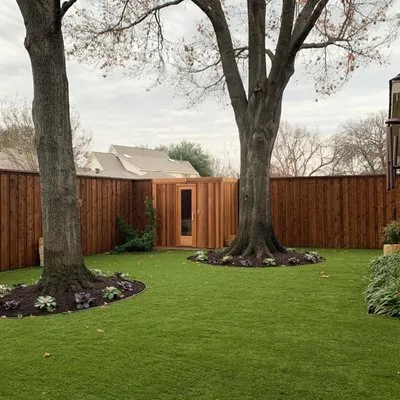
The Perfect Lawn
The Perfect Lawn is a family-owned Dallas artificial turf company founded by Kyle, who brings 20 years of landscaping design and installation experience to every project. With a background in hospital...
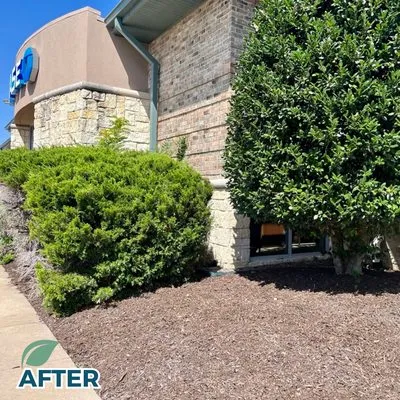
At SHINEscapes, we believe great landscaping starts with great people. Founded in the Dallas-Fort Worth area, our focus is on hiring and training a dedicated team to provide consistent, reliable servi...
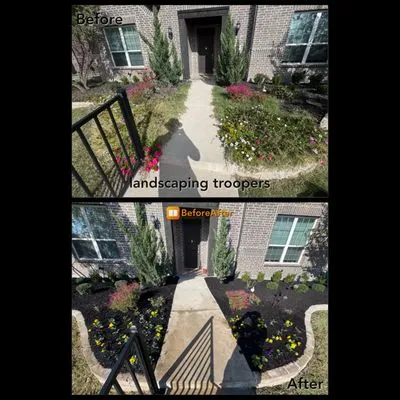
Landscaping Troopers, managed by Erick B of Vasquez Lawn Service LLC, brings over 17 years of hands-on expertise to Allen, TX. With a start in landscaping at age 11 and a disciplined, prideful approac...
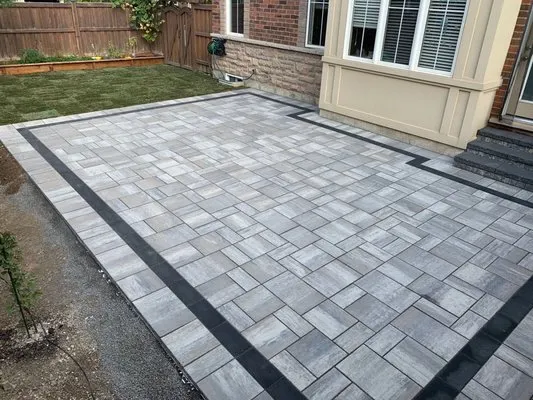
DFW Finest Hardscaping in Dallas, TX, specializes in creating distinctive and durable outdoor environments. Our team of skilled designers and craftsmen works closely with each homeowner to translate t...
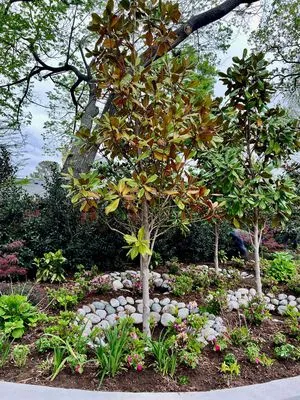
Streamline Landscape
Streamline Landscape is a locally owned and operated landscaping company serving Colleyville and the Greater Dallas Fort Worth Metroplex. With over 30 years of experience, we specialize in comprehensi...
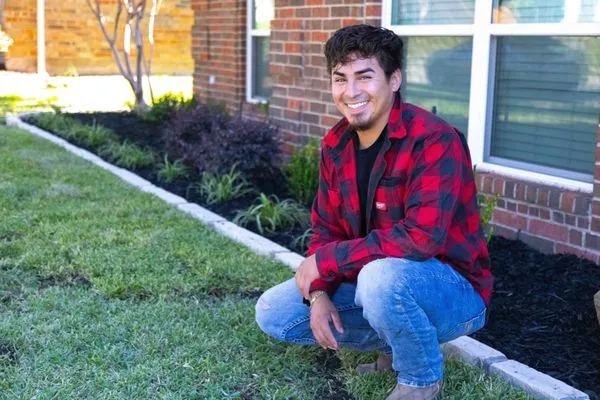
Innovative Constructions & Landscapes
Innovative Constructions & Landscapes is a full-service contractor serving Balch Springs, TX, specializing in landscaping, irrigation, and general construction. We help homeowners transform their prop...
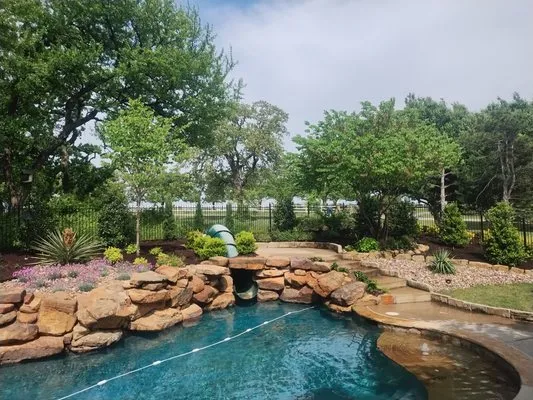
Sprouts Lawn & Landscape is a Keller-based, family-owned business with over three decades of dedicated experience serving homeowners across Northeast Tarrant County. We believe the best outdoor spaces...

TurfRocks is a husband-and-wife owned and operated artificial grass and gravel design and installation team based in North Texas. Since 2017, we've been serving Dallas and surrounding states, bringing...

Yard Boss Lawn & Landscape
Yard Boss Lawn & Landscape is a full-service landscaping company serving Little Elm, TX, and the surrounding areas. We specialize in comprehensive property transformation and maintenance, from landsca...
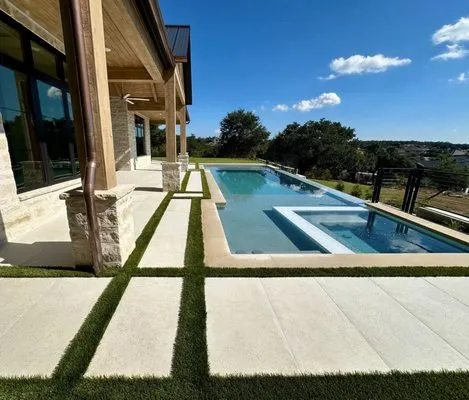
At Biltright Turf, we're a Dallas-based family business built on the belief that quality construction and strong community go hand in hand. We started with a simple mission: to provide the best artifi...
Estimated Landscaping Service Costs in Cross Roads, TX
Question Answers
What invasive species should I watch for, and how do I control them safely?
In our area, watch for Bermuda grass encroachment into beds, and woody invasives like Chinese Tallow. Manual removal is best for small infestations. For chemical controls, always use products labeled for the specific plant and apply according to the Texas Department of Licensing and Regulation guidelines. Crucially, ensure any product used contains zero phosphorus to comply with local ordinances protecting storm drains from nutrient pollution.
Why does my new-ish Cross Roads lawn have such dense, hard soil?
Your Hollyhock neighborhood was developed around 2010, meaning the soil is about 16 years old. Construction compaction and the native Houston Black Clay have created a layer with poor structure and minimal organic matter. This soil type, with a pH of 7.5-8.2, becomes extremely hard when dry and sticky when wet. Annual core aeration combined with top-dressing compost is essential to improve permeability and build a healthy rhizosphere.
I'm tired of weekly mowing. Are there lower-maintenance options?
Absolutely. Transitioning perimeter areas to a palette of native plants like Texas Sage, Purple Coneflower, and Little Bluestem drastically reduces water, mowing, and chemical inputs. These plants are adapted to our climate and require minimal care once established. This shift also future-proofs your landscape against evolving noise ordinances targeting gas-powered equipment and supports local biodiversity.
How quickly can you respond for an urgent HOA compliance or storm cleanup?
For emergency cleanups in Cross Roads, our dispatch from the Town Hall area allows for a 25-35 minute arrival during peak times. We route via US-380 to access the Hollyhock neighborhood efficiently. Our fleet includes quiet, electric equipment compliant with local noise ordinances, enabling rapid response even during restricted hours without violating community standards.
My yard holds water and has large cracks. What's the long-term fix?
This is the classic shrink-swell behavior of Houston Black Clay, which has very poor vertical permeability. The solution is a multi-year program of soil amendment and strategic hardscaping. Using permeable Austin White Limestone for patios and paths creates areas where water can infiltrate, reducing surface runoff. This approach also helps meet the Town of Cross Roads' stormwater management standards for new installations.
Is Austin White Limestone a better choice than wood for a new patio?
For longevity and fire safety, limestone is superior. Wood requires constant sealing and replacement in our climate. Permeable limestone patios aid drainage in our clay soil and have a lifespan measured in decades. Given Cross Roads' Moderate Wildland-Urban Interface rating, non-combustible hardscape materials like stone are recommended to create defensible space, a key component of a Firewise landscape.
What permits and licenses are needed for a major landscape renovation on my 0.35-acre lot?
Any significant grading, drainage alteration, or structural work requires a permit from the Town of Cross Roads Planning & Development. For the installation itself, Texas law mandates that companies performing irrigation work hold a license from the Texas Department of Licensing and Regulation. On a lot of this size, improper grading can impact neighboring properties, making licensed, insured professionals essential for liability and compliance.
How do I keep my TifTuf Bermuda green under Stage 1 water restrictions?
Wi-Fi ET-based controllers are the key. They adjust irrigation schedules daily using local evapotranspiration data, applying water only when the turfgrass needs it. For TifTuf Bermuda in Zone 8b, this often means deep, infrequent watering cycles that encourage deep rooting. This method can reduce water use by 20-30% while maintaining turf health, keeping you well within voluntary conservation guidelines.
