Top Landscaping Services in Corsicana, TX, 75109 | Compare & Call
There are 124 landscaping companies server in Corsicana TX
Tony's Lawn & Care is a trusted lawn service provider in Tyler, TX, specializing in comprehensive lawn care solutions for local homeowners. We understand that Tyler residents often face challenges wit...
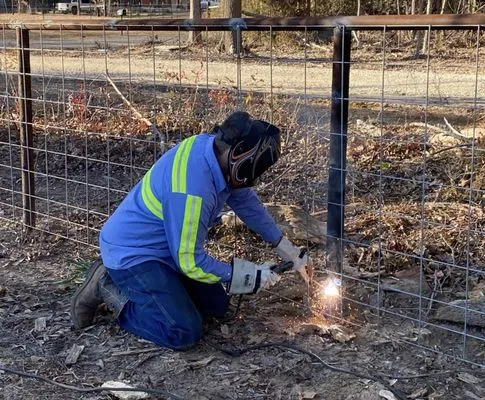
Tiner Farm is your trusted, full-service partner for landscaping, tree care, and property improvements in LaRue, TX. We specialize in transforming properties with comprehensive services like earthmovi...
J2 Land Management has been a trusted provider of land services in Ben Wheeler, Athens, and the wider East Texas area for over 30 years. We specialize in turning challenging properties into valuable a...

Green Solutions is a trusted lawn and tree service provider serving Arlington, TX. We specialize in comprehensive lawn care to address common local landscaping challenges like sprinkler leaks and bare...
Estimated Landscaping Service Costs in Corsicana, TX
Questions and Answers
A storm just knocked down a large limb. How quickly can you respond for an emergency cleanup?
Our emergency dispatch protocol prioritizes safety hazards. From our central staging area near the Cook Education Center, we can typically access Historic District properties via I-45 within the 20-30 minute window for peak storm response. This allows us to secure the site, clear debris from structures and pathways, and initiate a full damage assessment to ensure HOA compliance and safety standards are met promptly.
My lawn in the Historic District seems thin and compacted. Is this just normal wear and tear?
This is a predictable soil maturity issue. With the average home built around 1975, the Blackland Prairie Vertisols on your lot have had 50+ years of settling and foot traffic without significant organic input. These heavy clay soils are prone to severe compaction, reducing oxygen for roots and slowing water percolation. To restore health, we recommend core aeration in early spring or fall, followed by amending with a high-quality, well-composted organic matter to improve soil structure and cation exchange capacity.
Is crushed limestone a better choice than wood for a new patio, considering the local climate?
For durability and fire resilience, inorganic materials like crushed limestone or permeable concrete are superior. Wood requires constant treatment and decays in our humid climate, while limestone offers excellent permeability and minimal maintenance. Furthermore, in Corsicana's Moderate Wildland-Urban Interface rating, using non-combustible hardscape materials creates critical defensible space, a key component of a Firewise landscape that can help protect your property.
I've seen invasive vines choking trees nearby. How should I handle them without harming my lawn?
Proactive identification and treatment are key. Common invasive species alert in our area include Japanese Honeysuckle and Cat's Claw Vine. Manual removal of roots is ideal, but for established infestations, a targeted, systemic herbicide applied in late summer or early fall is most effective. Crucially, any application must be performed by a licensed professional to ensure it does not violate the state-regulated nutrient management plan, which prohibits phosphorus and has specific seasonal blackout dates for certain chemicals.
Do I need a permit to regrade my backyard for better drainage, and what should I look for in a contractor?
Yes, significant regrading on a 0.22-acre lot typically requires a permit from the Corsicana Planning and Zoning Department to ensure compliance with drainage and erosion control ordinances. You must hire a contractor licensed by the Texas Department of Licensing and Regulation (TDLR) for irrigation or landscaping that affects drainage. This licensing ensures they carry the proper insurance and have the technical knowledge to execute the work without causing downstream issues or violating city code.
How can I keep my TifTuf Bermuda green while following the city's water conservation rules?
Adherence to Stage 1 voluntary conservation is best achieved with precision irrigation. A Wi-Fi ET-based (evapotranspiration) system is calibrated to local weather data, applying water only when and where the turfgrass needs it, often at levels below municipal limits. This technology prevents overwatering, which is especially critical for promoting deep root growth in our shrink-swell clays. Properly managed, this approach maintains turf health while conserving a significant volume of potable water.
My yard holds water and the ground cracks when dry. What's the long-term solution?
This cycle is characteristic of Blackland Prairie Vertisols, which have a high shrink-swell potential. The long-term solution involves improving subsurface permeability and managing surface runoff. We recommend installing French drains or dry creek beds to intercept water, coupled with permeable hardscapes like crushed limestone or permeable concrete for patios and walkways. These strategies meet Corsicana Planning and Zoning Department runoff standards by promoting infiltration and reducing the hydraulic load on the expansive soil.
I'm tired of weekly mowing and gas-powered noise. Are there quieter, lower-maintenance options?
Absolutely. Transitioning to a climate-adaptive landscape centered on native plants like Texas Sage, Flame Acanthus, and Little Bluestem drastically reduces mowing, watering, and fertilization needs. This xeriscaping approach also future-proofs your property against evolving noise ordinances that increasingly restrict gas-powered blowers and mowers. The resulting ecosystem supports local biodiversity and provides year-round visual interest with minimal input, aligning with 2026 sustainability benchmarks.
