Top Landscaping Services in Converse, TX, 78109 | Compare & Call
There are 201 landscaping companies server in Converse TX
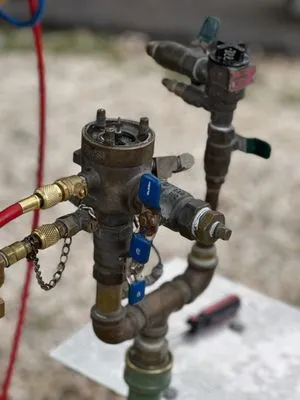
Tierrablanca Irrigation is a family-owned irrigation and landscaping business serving San Antonio, TX, and Bexar County. With over 20 years of experience, we specialize in irrigation construction, des...
Sifuentes Lawn Care is a locally owned and operated business serving Converse, TX, founded in March 2021 by an owner who pursued his dream of starting a lawn care company. With a foundation in faith a...
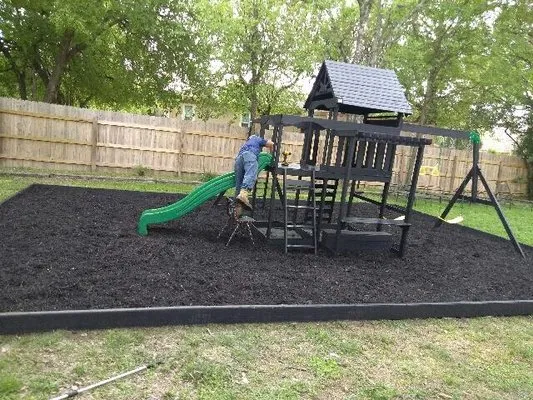
Perez Lawn Care Services is a locally owned and operated lawn care business serving San Antonio, Texas, with 8 years of dedicated experience. We specialize in comprehensive lawn care services designed...
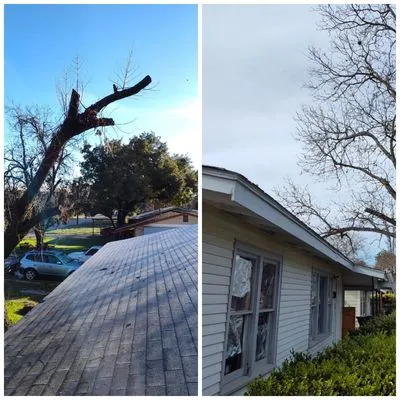
Green is Good is a family-owned and operated San Antonio business with over 15 years of dedicated service. We specialize in comprehensive landscaping, expert tree care, and responsible junk removal, c...
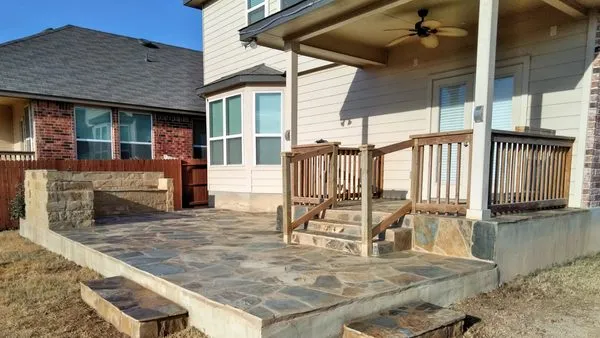
With over 18 years of professional landscaping experience, I founded Genesaret Landscape in 2016 to help Converse residents build and maintain beautiful, functional outdoor spaces. My journey began wi...
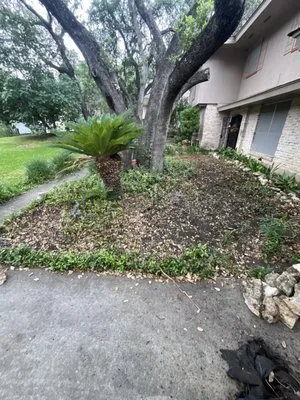
Unique Landscaping is a San Antonio-based lawn care company dedicated to turning your property visions into reality. We combine efficient service with a commitment to quality, handling everything from...
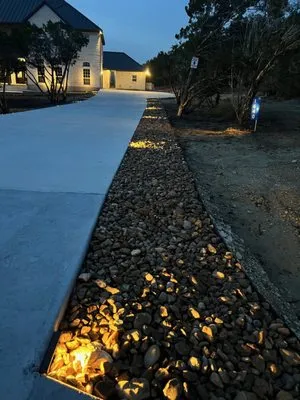
B&V Landscaping is a San Antonio-based landscaping company serving the Alamo City and surrounding counties. We specialize in comprehensive outdoor solutions including earthmoving, driveway and patio c...
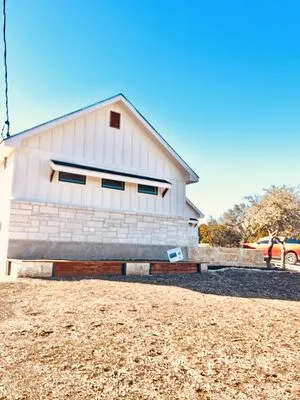
Joe Knows Land Clearing and Landscape is a trusted local contractor serving the Canyon Lake community and the greater Texas Hill Country. With roots in home construction since 2015, the business grew ...

Lando's Lawn Care, a family-owned business established in 2021 by owner Orlando Ramon, is your local Seguin partner for a healthy, beautiful property. With over a decade of hands-on experience, Orland...

Paniagua Pressure Washing is a trusted San Antonio lawn and pressure washing service dedicated to helping local homeowners tackle common landscaping challenges. We understand that the unique Texas cli...
Estimated Landscaping Service Costs in Converse, TX
Questions and Answers
Should I choose crushed limestone or wood for my new patio in this fire-prone area?
Crushed limestone provides superior longevity and fire resistance compared to wood in Moderate WUI Zone 2 areas. This inorganic material won't combust during wildfire events and requires minimal maintenance over decades. For defensible space compliance, maintain at least 5 feet of non-combustible surface around structures. Permeable concrete offers similar benefits with a more formal appearance while still allowing water infiltration through our clay soils during heavy rainfall events.
What's the best solution for standing water in my yard after heavy rains?
Houston Black Clay's high shrink-swell potential creates poor vertical drainage that traps water at the surface. Installing permeable hardscapes like crushed limestone or permeable concrete allows water infiltration while meeting Converse Development Services Department runoff standards. These materials provide 30-40% void space for water passage, reducing erosion and foundation risks. Combined with French drains or dry creek beds, permeable surfaces manage stormwater effectively in our clay-dominated landscapes.
How quickly can you respond to emergency storm damage cleanup for HOA compliance?
Our emergency response team dispatches from Converse City Park via Loop 1604 to reach Converse Heights within 20-30 minutes during peak conditions. We maintain electric-powered equipment that operates within standard decibel limits for early morning or late evening work windows. This rapid deployment addresses fallen limbs, debris clearance, and safety hazards while meeting typical HOA 72-hour cleanup requirements for storm events.
How do I keep my St. Augustine lawn green under Stage 2 watering restrictions?
EPA WaterSense certified ET-based controllers adjust irrigation schedules using real-time evapotranspiration data from local weather stations. These systems apply water only when needed, typically reducing usage 15-25% while maintaining turf health. For St. Augustine in USDA Zone 9a, this means deeper, less frequent watering during designated weekly windows that encourages drought-tolerant root development. Properly calibrated ET controllers often achieve better results than manual watering while staying compliant with municipal limits.
What are my options for reducing lawn maintenance while staying ahead of noise regulations?
Replacing high-maintenance turf with native plantings like Texas Sage, Flame Acanthus, and Gulf Muhly creates resilient landscapes requiring minimal inputs. These adapted species survive on seasonal rainfall once established, eliminating weekly mowing and reducing irrigation needs. Transitioning to electric maintenance equipment now prepares for potential gas-blower restrictions while providing quieter operation. Native plant communities also support local pollinators and require less frequent disturbance than traditional turfgrass.
What permits and licenses are required for regrading my 0.22-acre property?
Grading work exceeding 50 cubic yards requires a permit from Converse Development Services Department with engineered drainage plans. Contractors must hold Texas Department of Licensing and Regulation registration for earthwork affecting water flow patterns. On 0.22-acre lots, even modest grading can impact neighboring properties, necessitating professional oversight. Licensed professionals carry insurance covering potential foundation damage from improper soil movement in our expansive clay conditions.
Why does my Converse Heights yard have such dense, hard soil that water just sits on top?
Converse Heights lots built around 2001 have Houston Black Clay soil that has compacted over 25 years of development. This alkaline soil (pH 7.9-8.2) naturally forms dense layers that restrict water movement and root penetration. Core aeration with organic compost amendments improves soil structure by creating channels for air, water, and beneficial microorganisms. Without intervention, this compaction reduces turf health and increases surface runoff during our seasonal rains.
How do I control invasive species without using restricted fertilizers?
Identify common invaders like Bermuda grass in flower beds or nutsedges in lawns through seasonal monitoring. Mechanical removal during early growth stages proves most effective without chemical intervention. For persistent problems, spot-treat with SAWS-aligned products during appropriate application windows, avoiding phosphorus during blackout periods. Building healthy soil with mycorrhizae and organic matter creates competitive conditions where desired natives outcompete invaders naturally over time.
