Top Landscaping Services in Combine, TX, 75159 | Compare & Call
There are 203 landscaping companies server in Combine TX
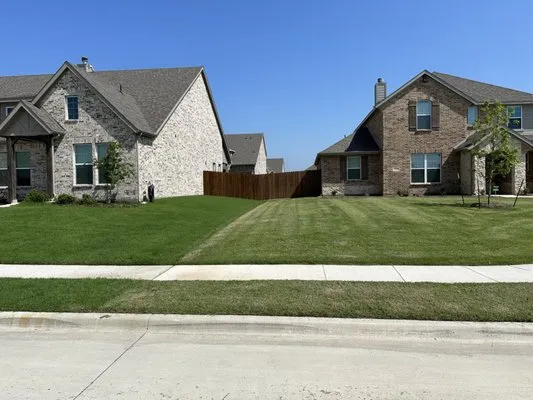
Southern Breeze Services is a family-owned lawn care business that has been proudly serving Heath, TX, and surrounding Collin, Hunt, and Rockwall counties for over 15 years. We specialize in comprehen...
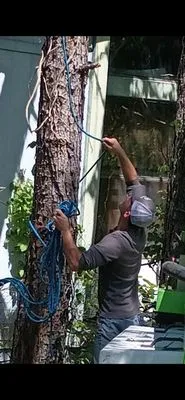
Lumberjack Max Firewood & Tree Services is your local, full-service partner for Terrell's outdoor needs. We combine expert tree care with comprehensive landscaping and hardscaping, from tree trimming ...

MLC & General Service is a DeSoto-based general contractor and landscaping specialist founded on a commitment to making a positive impact through reliable, high-quality work. We started with a mission...
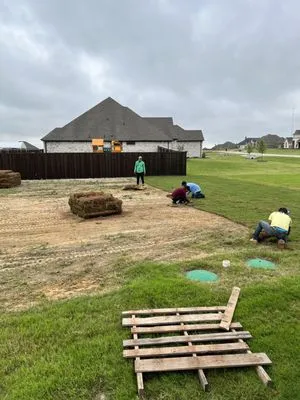
Irrigation Masters is a Midlothian-based landscape and irrigation specialist with over 35 years of local service. We provide a comprehensive range of solutions, from custom irrigation design and relia...
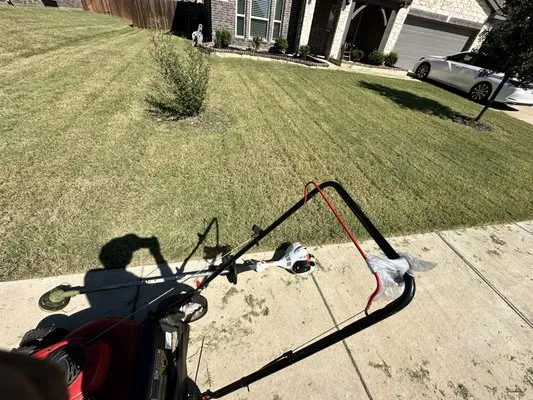
Jack Mow Zone is your trusted, local lawn care and gardening expert serving Cedar Hill, TX. We specialize in tackling the specific challenges faced by local lawns and gardens, such as persistent mulch...
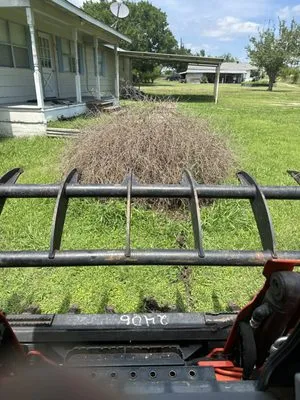
GroundWorx Services is a trusted local provider in Corsicana, TX, specializing in excavation, junk removal, and landscaping solutions. We help homeowners and businesses with practical services like ap...
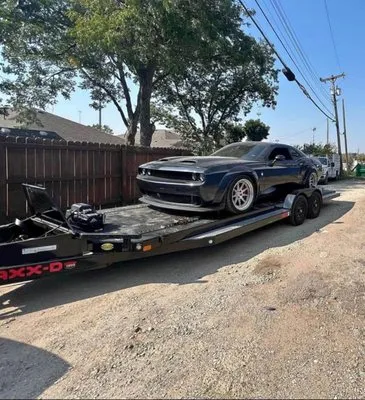
Lone Wolf ResQ is a trusted local provider in Glenn Heights, Texas, offering comprehensive solutions for lawn care, general contracting, and pest control. We specialize in a wide range of services inc...
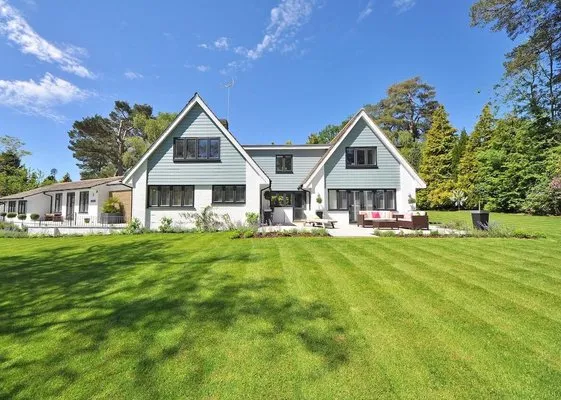
The Friends Lawn Care Services has been a trusted provider of lawn care and landscaping in Dallas, TX, since 2009. Our team of experienced, licensed professionals offers comprehensive services tailore...

Lopez Lawn and Auto is your trusted Grand Prairie neighbor for comprehensive property care. Specializing in tree services, lawn maintenance, and responsible junk removal, we tackle the specific challe...
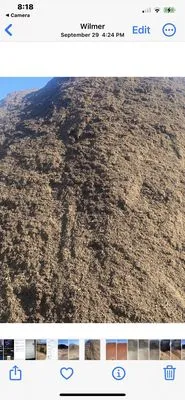
Metro Sand in Seagoville, TX, is a local landscaping business dedicated to helping homeowners and property managers maintain healthy, functional outdoor spaces. We specialize in addressing common loca...
Estimated Landscaping Service Costs in Combine, TX
Questions and Answers
What are the most aggressive weeds here, and how should I manage them safely?
Invasive species like Bermuda grass (in flower beds), nutsedge, and Chinese privet are prevalent alerts. Effective management combines targeted post-emergent herbicides applied at specific growth stages with manual removal. All applications follow state-compliant nutrient management guidelines, avoiding prohibited blackout dates for fertilizer and pre-emergent products. A healthy, dense native planting is the best long-term defense against weed establishment.
What permits and credentials should I verify before hiring for major grading or drainage work?
Any significant alteration of land contours on a 0.50-acre lot typically requires a grading permit from Combine City Planning & Development. You must hire a contractor licensed by the Texas Department of Licensing and Regulation (TDLR) for irrigation or landscaping that exceeds $10,000 in value. This licensing ensures they carry required insurance and adhere to state codes, protecting you from liability and substandard work.
How can I keep my lawn green while following the city's water conservation rules?
Under Stage 1 voluntary conservation, efficient water use is paramount. Smart Wi-Fi controllers using ET (evapotranspiration)-based weather data are essential. They automatically adjust runtimes based on daily atmospheric demand, preventing overwatering. For TifTuf Bermuda or St. Augustine, this technology delivers water only when needed, promoting deeper root growth and drought resilience while staying well within municipal guidelines.
My yard floods and then develops deep cracks. What's the long-term solution?
This cycle is symptomatic of the high shrink-swell potential in Houston Black Clay, which has poor vertical infiltration. Surface water pools because it cannot percolate down. Regrading to create positive drainage away from structures is the first step. Replacing impervious surfaces with permeable materials like crushed limestone or permeable concrete pavers allows water to infiltrate onsite, meeting Combine City Planning & Development standards for managing runoff.
Should I use wood or stone for a new patio or pathway?
For longevity and low maintenance in Zone 8b, crushed limestone or permeable concrete is superior to wood, which decays and requires treatment. These inorganic materials also contribute to a defensible space in Combine's Moderate Fire Wise Interface Zone by creating a non-combustible barrier. Their permeability aids drainage, addressing our core soil challenge, and they offer a durable, clean aesthetic with minimal upkeep.
How fast can you respond to an emergency like a storm-damaged tree?
Our emergency cleanup protocol prioritizes a dispatch from our central location near Combine City Hall. For a property in the City Center, we route via US Highway 175, anticipating a 45-60 minute arrival during peak traffic conditions. This enables a rapid assessment for safety hazards and immediate mitigation to secure the site, which is critical for HOA compliance and preventing further property damage from unstable limbs.
Is there a lower-maintenance, more ecological alternative to my traditional lawn?
Transitioning perimeter areas to a xeriscape of native plants significantly reduces water, mowing, and chemical inputs. Species like Texas Sage, Flame Acanthus, and Lindheimer's Muhly are adapted to local climate and soils, requiring minimal irrigation once established. This shift also reduces reliance on gas-powered blowers and mowers, aligning with a proactive approach to evolving noise ordinances and enhancing local biodiversity.
Why is my soil so hard and cracked, and what can I do about it?
Properties built in the 1990s, like many in the Combine City Center area, have soils that are approximately 36 years old. This Houston Black Clay has been compacted by decades of construction and maintenance, reducing its permeability. The high pH (7.5-8.2) can also limit nutrient availability. Core aeration followed by incorporating 2-3 inches of quality compost is the foundational correction, improving soil structure and biological activity for healthier plant roots.
