Top Landscaping Services in Coleman, TX, 76834 | Compare & Call

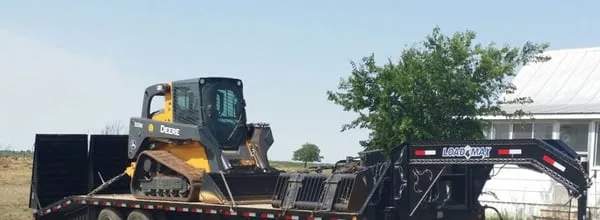
As a professional with a Bachelor's in Animal Science and Range Management, my approach to land stewardship is rooted in ecological science and practical ranching needs. Founded in 2012, CS Pasture Im...
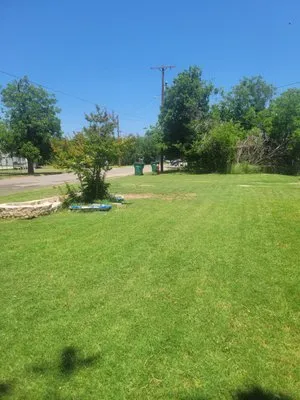
Ralstons Mowing is a locally owned and operated lawn care service in Coleman, founded by a young, dedicated teen entrepreneur. I'm building a reputation for reliable, personal service and truly value ...
Frequently Asked Questions
What permits and licenses are required for regrading my 0.25-acre lot in Coleman?
The Coleman City Planning & Development office issues grading permits for earthmoving exceeding 50 cubic yards, which is common on 0.25-acre lots due to drainage modifications or leveling projects. Contractors must hold Texas Department of Licensing and Regulation credentials for landscape irrigation and on-site sewage if altering drainage patterns, as improper grading can affect neighboring properties and municipal storm systems. Projects impacting more than 1 acre trigger TCEQ sediment control plans, though smaller lots still require erosion barriers during work. Always verify contractor licensing before excavation, as unpermitted grading risks fines and voids some insurance coverage for subsequent foundation issues.
What solutions prevent surface ponding and foundation issues in Coleman's shrink-swell clay soil?
Coleman's calcareous clay exhibits high shrink-swell potential, expanding when wet and cracking when dry, which can lead to structural damage and persistent surface ponding. Installing French drains with gravel beds and perforated pipes redirects water away from foundations, while permeable native limestone hardscapes allow infiltration rather than runoff. The Coleman City Planning & Development office requires drainage plans that manage stormwater on-site, often mandating dry creek beds or rain gardens for lots over 0.25 acres. These approaches reduce erosion and meet TCEQ runoff guidelines by slowing water movement through the landscape.
Why does my Coleman Historic District yard have such hard, compacted soil that struggles to absorb water?
Coleman's calcareous clay soil (pH 7.9-8.2) naturally compacts over time, and with neighborhood homes averaging 64 years since 1962 construction, decades of foot traffic and conventional maintenance have reduced permeability. This alkaline clay develops a dense structure that restricts root growth and water infiltration, leading to surface ponding during storms. Core aeration every 2-3 years combined with organic amendments like composted manure can improve soil structure by increasing pore space and microbial activity. Addressing this compaction is essential for establishing healthy turf or native plantings that require adequate drainage in Coleman's Zone 8a climate.
Is native limestone or wood better for patios and pathways in Coleman's climate and fire risk areas?
Native limestone offers superior longevity in Coleman's Zone 8a, withstanding freeze-thaw cycles and alkaline soil without deteriorating like wood, which requires frequent sealing against moisture and termites. Its natural permeability reduces runoff, meeting fire-wise defensible space requirements for WUI Zone 2 by eliminating combustible materials near structures. Limestone's thermal mass moderates temperature extremes, creating microclimates that benefit adjacent plantings, while its local sourcing minimizes transportation emissions. For slopes or drainage channels, irregular flagstone arrangements enhance stability and water infiltration compared to wooden retaining walls prone to rot.
How quickly can you respond to an emergency tree cleanup after a storm in Coleman?
Our electric maintenance fleet operates within municipal noise abatement hours (10 PM-7 AM) and can dispatch from Coleman City Park via US Highway 84 to reach most Coleman Historic District properties within 20-30 minutes during peak storm response. This routing avoids residential congestion while maintaining compliance with noise ordinances using quieter battery-powered equipment. For HOA compliance deadlines or safety hazards like downed limbs, we prioritize same-day assessment with documentation for insurance claims. Our response protocol accounts for Coleman's moderate fire-wise rating in WUI Zone 2, ensuring debris removal supports defensible space requirements.
How can I maintain my Common Bermuda grass during Coleman's Stage 1 water restrictions without overwatering?
Smart Wi-Fi ET-based weather sensing irrigation systems calculate evapotranspiration rates specific to Coleman's Zone 8a conditions, applying water only when soil moisture drops below optimal levels for Common Bermuda or Buffalo Grass. These systems adjust schedules based on real-time weather data, reducing water use by 20-40% compared to traditional timers while preserving turf health. During voluntary conservation periods, deep, infrequent watering at dawn minimizes evaporation and aligns with municipal guidelines. Properly calibrated ET systems maintain dormancy cycles for warm-season grasses without exceeding 1 inch per week during peak summer months.
What invasive species threaten Coleman landscapes, and how do I treat them safely?
Common invaders like Bermuda grass (escaping cultivated areas), King Ranch bluestem, and Russian olive compete with natives and alter soil chemistry in Coleman's calcareous conditions. Manual removal followed by solarization using clear plastic sheets heats soil to kill seeds without herbicides, avoiding potential runoff issues under TCEQ guidelines. For persistent perennials like Johnsongrass, targeted glyphosate applications in fall when natives are dormant minimize collateral damage, though Coleman has no specific fertilizer bans. Always coordinate treatments with seasonal growth cycles to prevent spread during peak mulching season in early March.
Should I replace my high-maintenance turf with native plants to reduce long-term costs and noise?
Transitioning to Texas Sage, Flame Acanthus, Little Bluestem, Indian Blanket, and Purple Coneflower reduces mowing frequency and eliminates gas-powered blower use, aligning with evolving noise ordinances targeting combustion engines. These natives thrive in Coleman's alkaline clay with minimal irrigation once established, cutting water use by 50-75% compared to traditional turf. Their deep root systems stabilize soil, improve permeability, and provide year-round habitat for pollinators, supporting 2026 biodiversity standards. This xeriscaping approach also lowers maintenance to seasonal pruning, avoiding bi-weekly mowing schedules from April through September.
